Networking Fridays
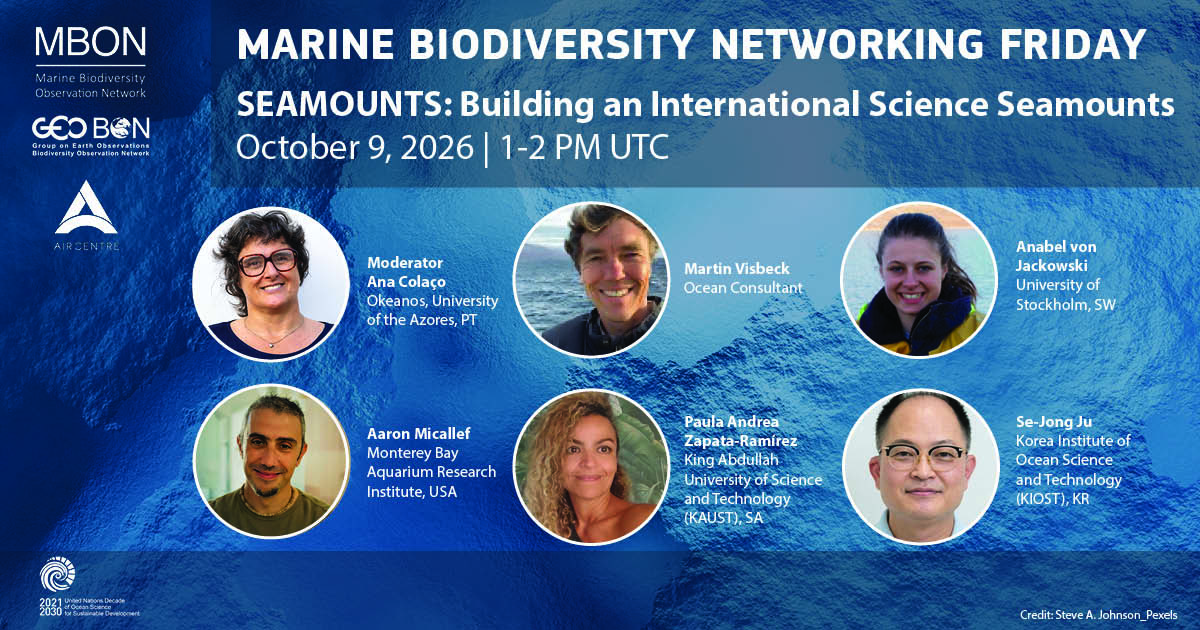
SEAMOUNTS: Building an International Science Seamounts
Date
October 9, 2026, 12:00 PM - 1:00 PM UTC
AIR Centre Networking Fridays
More information about the Webinar series hereWatch the Recording
Watch on YouTube ↗Seamounts- the towering underwater volcanoes that make up roughly a fifth of the ocean floor- are among the most vital yet least understood ecosystems on Earth. This session brings together researchers from three continents to share what we´re learning about these hidden biodiversity hotspots and how the world is working to understand and protect them. We´ll open with an introduction to SEAMOUNTS, a new international science program being built to coordinate seamount research worldwide, then dive into fresh discoveries from the 2026 MATRICS expedition to Peyve Seamount in the equatorial Atlantic, where ROV exploration revealed unexpectedly rich and poorly known deep-sea communities. The session closes with an update on a five-year Korean-led initiative focused on the Emperor Seamounts and Northern Hawaiian Ridge, which combines oceanographic, geological, and biological research to inform marine protected areas and support the BBNJ Agreement´s goals for biodiversity beyond national jurisdiction.
Join us to hear directly from the scientists exploring these remote ocean giants – from new international coordination efforts to cutting-edge deep-sea exploration and conservation science shaping the future of high-seas protection.
Programme · UTC
Talk 1. SEAMOUNTS Initiative Updates
Martin Visbeck (Ocean Consultant)
Anabel von Jackowski (University of Stockholm, SW)
Seamounts are the underwater oases of our planet. Covering roughly 21% of the seafloor, these hidden volcanic mountains act as critical biological and physical engines for the global ocean.
Despite their immense global importance, they remain among the least explored and least understood ecosystems on Earth, leaving us with vital questions about how they function, how they respond to human pressures, and the socioeconomic benefits they provide to mankind. This talk introduces SEAMOUNTS, an international science program being built to drive and coordinate seamount research worldwide. We will present its vision, mission and approach. Visit: https://www.seamountprogram.info/
Talk 2. Life on a Megatransform: Exploring Deep-sea Biodiversity at Peyve Seamount
Aaron Micallef (Monterey Bay Aquarium Research Institute, USA)
Paula Andrea Zapata-Ramírez (King Abdullah University of Science and Technology (KAUST), SA)
The 2026 MATRICS expedition explored the Doldrums Megatransform in the equatorial Atlantic, investigating how tectonic structures, fluid circulation and seafloor geology shape deep-sea habitats. This presentation will highlight discoveries from Peyve Seamount, a major structural high within the transform system, where ROV exploration revealed diverse geological substrates and unexpectedly rich deep-sea communities. We will showcase observations spanning rocky outcrops, fractured and altered substrates, sedimentary environments and associated biological assemblages, including remarkable encounters with poorly known deep-sea fauna. These observations provide new insights into biodiversity in an understudied oceanic setting and demonstrate the value of robotic exploration for revealing hidden ecosystems.
Talk 3. Conservation of High-Seas Biodiversity: A science-Based Approach in the Emperor Seamounts
Se-Jong Ju (Korea Institute of Ocean Science and Technology (KIOST), KR)
The Korean government has launched a five-year project to advance science-based conservation and sustainable use of marine biodiversity in areas beyond national jurisdiction (ABNJ), in support of the BBNJ Agreement. Focusing on the Emperor Seamounts and Northern Hawaiian Ridge, the project integrates oceanographic, geological, and biological information to improve understanding of biodiversity, habitats, ecological connectivity, and ecosystem vulnerability. It assesses the impacts of human activities and climate change. Through international collaboration and capacity-building, the project will inform the development of area-based management tools (ABMTs), identify ecologically significant areas, and provide a scientific basis for considering potential marine protected areas (MPAs).
Moderators
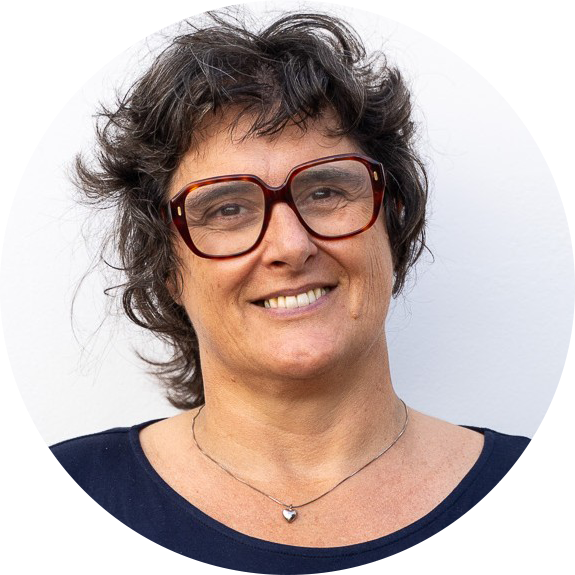
Ana Colaço
Okeanos, University of the Azores, PT)
Ana Colaço is a researcher at the University of the Azores for more than 20 years. She specialises in vulnerable marine Ecosystems, namely in hydrothermal vents and sponge aggregations. She studies the trophic ecology of deep-sea systems, benthic ecology, ecosystem functioning and conservation. She is involved as an expert in several science-policy panels of the European Commission, International Seabed Authority, and the Portuguese government, and as a nominee in CBD processes such as EBSA and the post 2020 GBF. She is presently co-chair of the Working Group Deep-sea Ecology (WGDEC) of the International Council for the Exploitation of the Sea. She participated in over 40 oceanographic cruises with submersibles (including 12 as a PI) and five manned submersible dives (Alvin, Nautile and Lula1000). She is Commissaire of the Sargasso Sea Commission and a member of the Advisory Board of DOSI.
Speakers
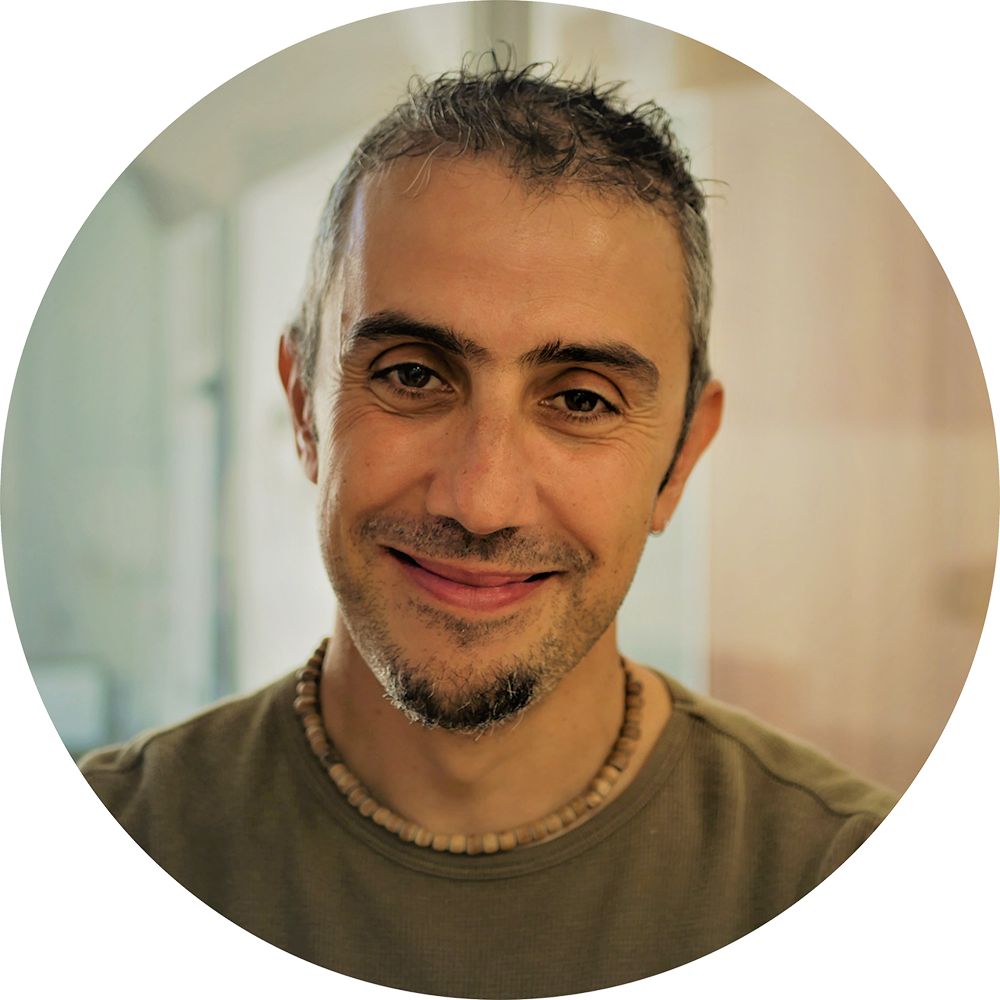
Aaron Micallef
Monterey Bay Aquarium Research Institute, USA
Aaron Micallef is a marine geoscientist specialising in seafloor geomorphology and submarine landscape evolution. His expertise focuses on sediment transport processes, fluid flow systems, and geohazards in continental shelf and slope environments. He develops and applies advanced seafloor mapping, in situ monitoring, and process-based analytical techniques to investigate erosion, deposition, and seafloor–ecosystem interactions. His work integrates geology, oceanography, and technology innovation to better understand dynamic seafloor systems and their response to environmental and anthropogenic forcings.
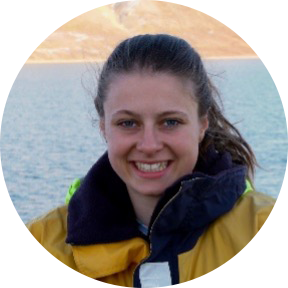
Anabel von Jackowski
University of Stockholm, SW
Anabel von Jackowski is a marine biogeochemist studying how organic matter and microorganisms interact. She received her PhD from GEOMAR and Kiel University on seasonal carbon cycling in the Arctic Ocean, followed by postdoctoral research in France and Sweden, including work on microbial communities on Central Arctic seamounts.
Martin Visbeck
Ocean Consultant
Martin Visbeck is a physical oceanographer and currently an Ocean Consultant. His research addresses ocean circulation and climate variability. A former President of The Oceanography Society, he champions internationally collaborative ocean science.
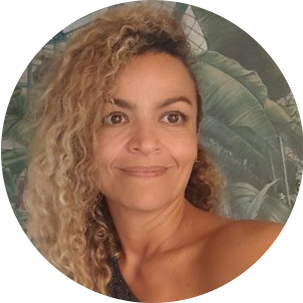
Paula Andrea Zapata-Ramírez
King Abdullah University of Science and Technology (KAUST), SA
Paula Andrea Zapata-Ramírez is a marine biodiversity expert with over 15 years of international experience in ecosystem conservation, marine spatial planning and science-policy integration across the Caribbean, Pacific and Mediterranean regions. Her research explores marine ecosystems using satellite remote sensing, autonomous underwater vehicles (AUVs) and remotely operated vehicles (ROVs) for seafloor mapping and biodiversity assessments that support conservation planning and ocean management. She has led or co-led over 25 multidisciplinary projects, including deep-sea ecosystem exploration and methane seep research in the Colombian Caribbean, and has authored over 20 peer-reviewed publications. She holds a Ph.D. in Marine Biology and Ecology from the Polytechnic University of Marche. She was Co-Chief Scientist on the Doldrums Fracture Zone expedition.
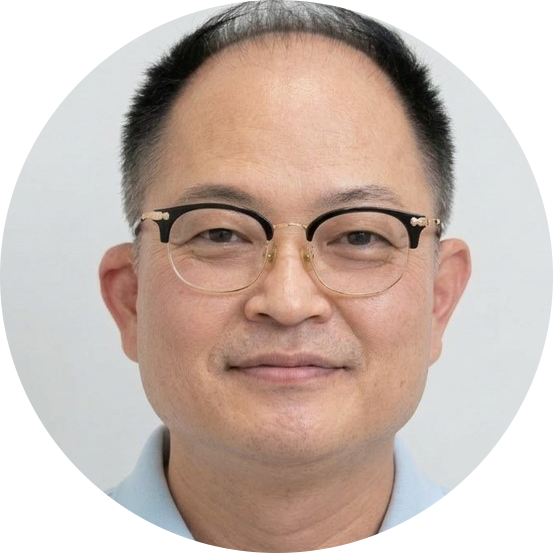
Se-Jong Ju
Korea Institute of Ocean Science and Technology (KIOST), KR
Dr Se-Jong Ju is a Principal Research Scientist at the Korea Institute of Ocean Science and Technology (KIOST). He received his B.Sc. and M.Sc. degrees in Oceanography from Inha University, Republic of Korea, and earned his PhD through the Marine-Estuarine-Environmental Sciences Program at the University of Maryland, College Park, USA. Dr Ju specialises in marine ecology, with particular expertise in marine food-web dynamics and ecosystem processes. Since joining KIOST, he has been actively involved in environmental baseline studies and environmental research related to the exploration and development of deep-seabed mineral resources. Dr Ju has contributed extensively to international marine science and ocean governance. He currently serves as a member of PICES, representing the Republic of Korea, and he served as a member of the Legal and Technical Commission (LTC) of the ISA from 2017 to 2026. Dr Ju has authored or co-authored more than 100 peer-reviewed scientific publications. His current interests also include deep-sea environmental assessment, BBNJ, and the scientific basis for area-based management tools (ABMTs), including MPAs.