The Atlantic Cloud now provides access to quality-controlled rainfall data from over 21,000 rain gauges across Brazil, with records stretching back to 1885. The data is available through the same infrastructure and tools that already serve Portuguese weather observations, bringing two of the Atlantic's major meteorological datasets under one roof for the first time.
The foundation of this work is UNIPLU-BR, a landmark dataset compiled by Lemos et al. (2026) that unified records from all six of Brazil's national rainfall monitoring networks into a single collection of 911 million observations. Bringing together six networks with different formats, resolutions, and standards was itself a significant achievement, but the raw data still needed a quality control layer before it could be used with confidence in scientific applications.
That's where the AIR Centre stepped in. The team developed a quality control pipeline that processed all 911 million records, screening for duplicates, physically impossible values, and statistical outliers. The result is 397 million cleaned observations – 256 million at hourly resolution and 141 million at daily resolution – covering over a century of Brazilian rainfall. Around 2.7% of records carry a "suspect" flag, giving users the flexibility to include or exclude borderline data depending on their needs. The pipeline and the cleaned dataset are both published openly, so the methodology can be scrutinised, reused, and improved by the wider community.
Storing and serving nearly 400 million records reliably is no small feat. The AIR Centre designed a purpose-built database structure to handle the volume efficiently, enabling fast queries by station, region, or time period, whether a researcher needs a single station's full history or a nationwide snapshot of a particular event. The existing API was extended to cover Brazilian data with the same query patterns already familiar to users of the Portuguese dataset.
The data is accessible through AtlanticCloud.jl, the AIR Centre's open-source software package, updated to v0.3.0 with full Brazilian data support. As a practical demonstration, the package includes an example that reproduces hourly rainfall observations during the catastrophic May 2024 floods in Rio Grande do Sul, illustrating both the historical depth and the operational relevance of the dataset.
This resource is particularly valuable for researchers working on rainfall modelling and coastal dynamics in Brazilian settings, where high-density, long-term observational data at this scale has not previously been available through a single, standardised access point.
Every component of this work is open. The quality control pipeline and client package are MIT-licensed on GitHub. The cleaned dataset is published on Zenodo under a CC-BY 4.0 licence. API access requires only a free registration key.
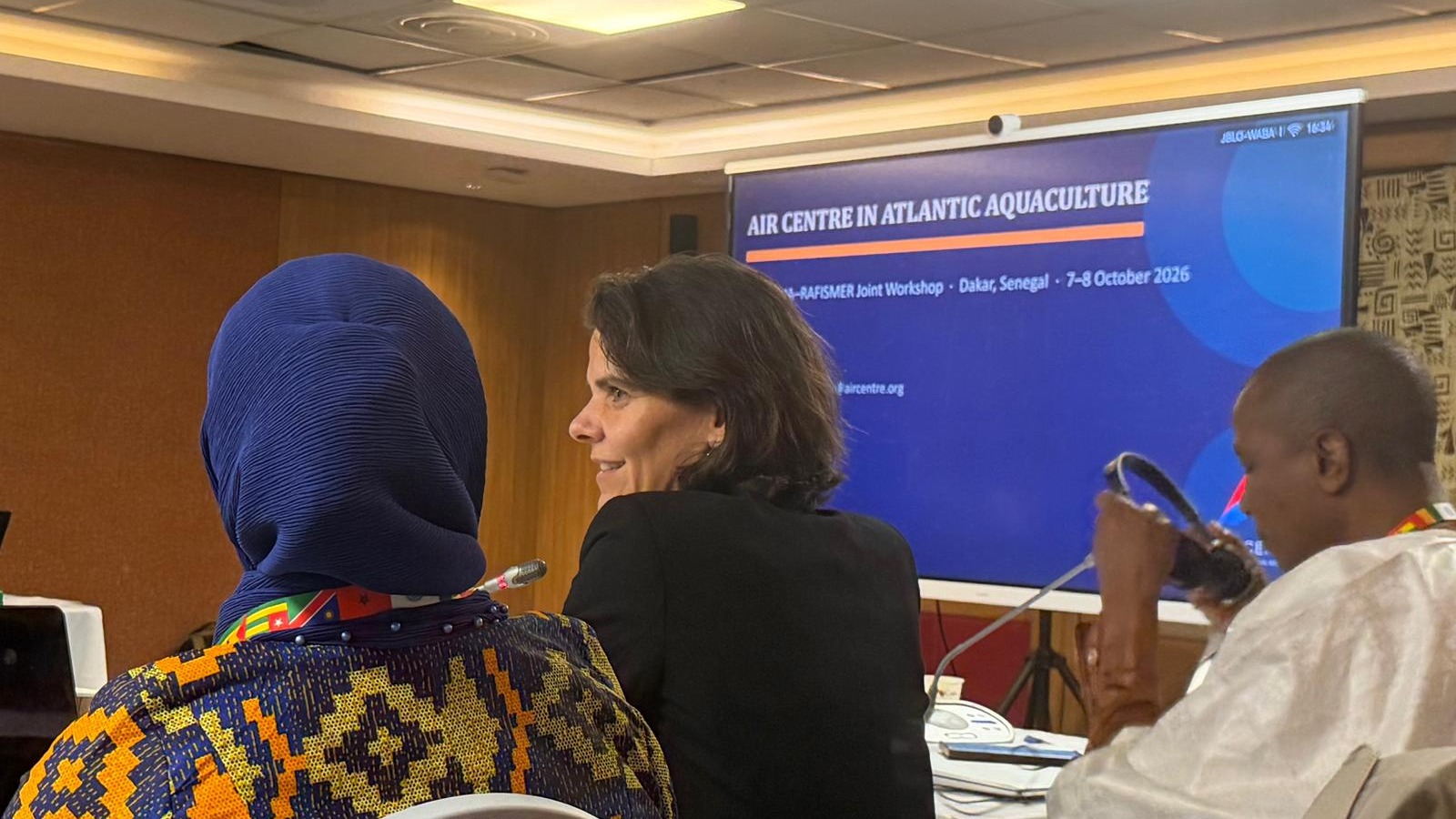
The AIR Centre welcomes contributions, especially from the Brazilian hydrology and meteorology communities, where local expertise could further strengthen the quality control process with region-specific knowledge, network calibrations, and data gap strategies.
Resources
This article: https://doi.org/10.5281/zenodo.19481735
API documentation: https://services.aircentre.org/access/docs/meteorology
API key registration: https://services.aircentre.org/access/account
QC pipeline: https://github.com/AIRCentre/UNIPLU-BR
Julia client: https://github.com/AIRCentre/AtlanticCloud.jl
QC’d dataset: https://doi.org/10.5281/zenodo.19427080
Source dataset (UNIPLU-BR): https://doi.org/10.5281/zenodo.18883358

 Collaboration