AIR Centre joins forces with BIOPOLIS to bridge biodiversity research and innovation

AIR Centre joins forces with BIOPOLIS to bridge biodiversity research and innovation

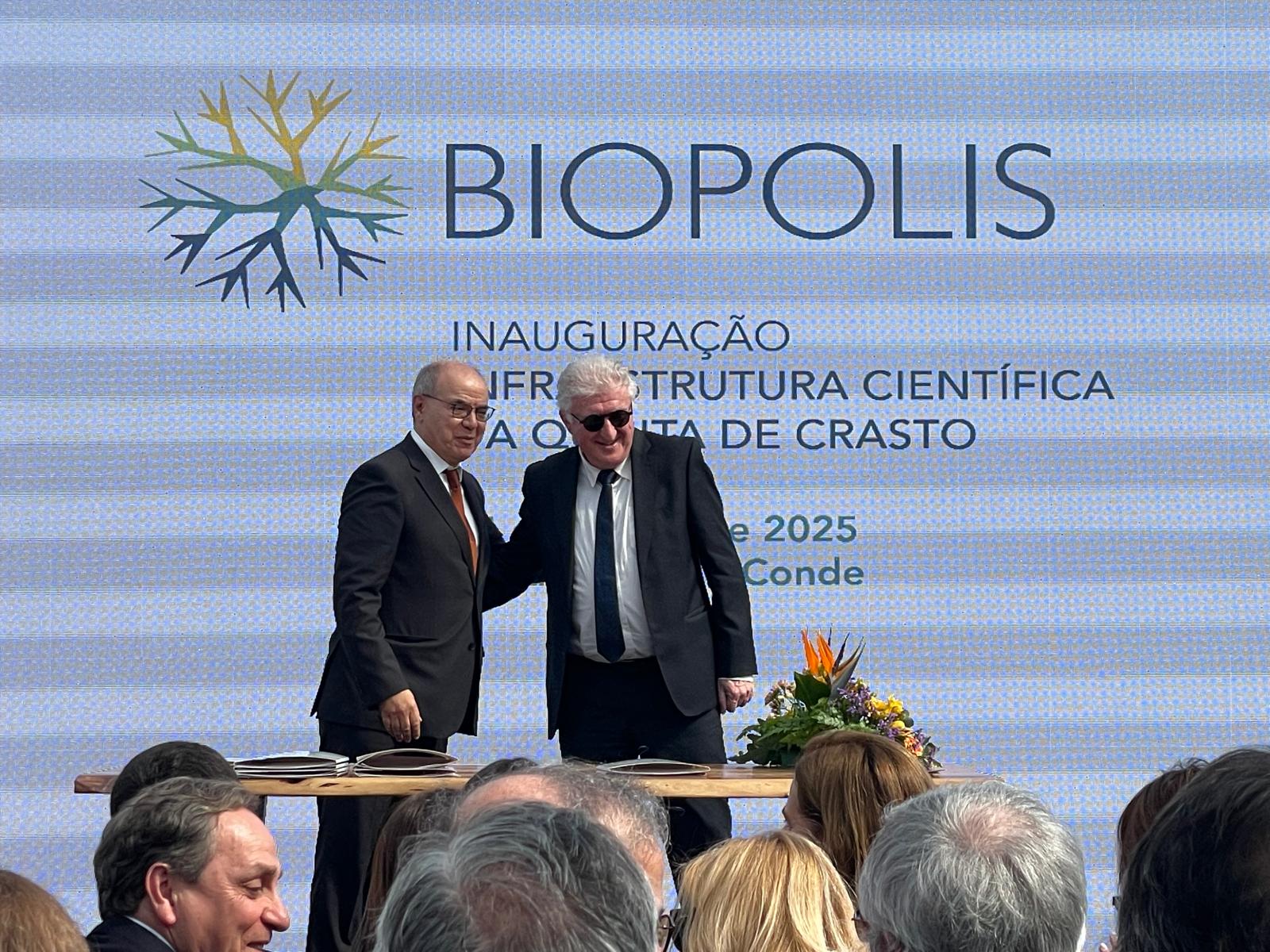
AIR Centre and the BIOPOLIS project have formalized today, March 24, a strategic partnership through a Memorandum of Understanding (MoU) that wishes to establish a synergistic relationship focused on coordinating activities across Atlantic nations. This collaboration aims to bridge the continuum between terrestrial and marine ecosystems, optimizing each organization's societal impact through mutual cooperation, strengthening national institutions, and maximizing available resources. The partnership establishes four key domains of collaboration that will drive innovative research and development initiatives:
  • The agreement will facilitate coordination between BIOPOLIS poles and AIR Centre associates to develop joint research, development, and training programs, creating an integrated approach to ecosystem research across the Atlantic region.
  • Both organizations will collaborate on designing and implementing projects, workshops, seminars, courses, public forums, and development programs of mutual interest, utilizing both in-person and virtual formats to maximize reach and impact.
  • The MoU establishes a framework for personnel exchange, shared facilities, research and testing equipment, and other resources that can contribute to the research, technology, and educational programs developed by both signatories.
  • The partnership remains open to exploring additional areas of mutual interest related to promoting Atlantic cooperation, with flexibility to identify new collaborative opportunities as they emerge.
BIOPOLIS is a significant initiative in Environmental Biology, transforming CIBIO (Research Centre in Biodiversity and Genetic Resources) into a Centre of Excellence through partnership with the University of Montpellier (France) and Porto Business School. This project takes a comprehensive approach to biodiversity research - from genes to ecosystems - creating knowledge to address urgent environmental challenges.
This agreement represents a significant step toward integrated research approaches that recognize the interdependence of marine and terrestrial ecosystems. By combining respective expertise and resources, AIR Centre and BIOPOLIS are positioning themselves at the frontline of transnational scientific collaboration in the Atlantic region, with potential benefits for environmental conservation, sustainable development, and scientific advancement.
Share this entry

Other News

Collaboration

Space Agencies shape regional priorities at the II Ibero-American Meeting in Madrid

calendar_today September 17, 2026

The AIR Centre took part in the II Ibero-American Space Agencies Meeting in Madrid, organised by the Spanish Space Agency on 15 and 16 September. AIR Centre’s Deputy Executive Director, Mafalda Carapuço, represented the organisation alongside heads of space agencies, universities, research centres and industry from across the Ibero-American community.

Collaboration

ATLANTICO_SARG project officially launched to tackle Sargassum impacts through science and collaboration

calendar_today September 11, 2026

On September 10, partners from AIR Centre (Portugal), UNAM (Mexico) and IMar (Cabo Verde) held the kick-off meeting for ATLANTICO_SARG, a new triangular cooperation project funded under the second Call of the SEGIB / Camões, I.P. Triangular Cooperation Fund. Held online, the meeting brougtht together researchers and representatives from all three partner institutions to address the growing impact of Sargassum seaweed flooding on Cabo Verde's coasts.

Collaboration

Australian Ambassador strengthens scientific and diplomatic engagement during visit to the AIR Centre

calendar_today September 11, 2026

The Australian Ambassador to Portugal, Dr. Helen Cheney, who also serves as Ambassador to Cabo Verde, Guinea Bissau and Sao Tome and Principe, visited the AIR Centre on Terceira Island as part of her official programme in the Azores. The visit emphasized scientific cooperation and the growing relevance of the Atlantic in Australia’s international engagement.