As the world prepares for the UN Biodiversity Conference (CBDCOP16), the Autonomous Region of the Azores has made history by passing groundbreaking legislation to create the North Atlantic's largest network of marine protected areas. The initiative protects 30% of the archipelago's surrounding waters, encompassing an impressive 287,000 square kilometers.
The network is divided into two protection categories: 50% designated as fully protected zones with no natural resource extraction permitted, and 50% designated as highly protected areas with limited activities allowed.
This historic move comes as nations worldwide strive to implement the Kunming-Montreal Global Biodiversity Framework, which sets the ambitious "30x30" target - protecting 30% of global lands and oceans by 2030. The Azores' initiative not only advances the European Union's Biodiversity Strategy for 2030 but also sets a compelling precedent for global ocean protection goals.
Strategic Timing and Global Impact
The timing of this legislation is particularly significant, as currently less than 3% of the world's oceans enjoy full or high protection. Marine protected areas are considered crucial tools in combating biodiversity loss and building ocean resilience against climate change.
José Manuel Bolieiro, President of the Regional Government of the Azores, emphasized the region's commitment: “The Azores has long been known for its unique ocean nature, and with this decision, we are driving the way forward to a productive, vibrant ocean. The sea is an integral part of our collective identity, being vital socially, culturally and economically. We are committed to protect and recover our ocean to support a healthy blue economy. Our decision through a science-based and participatory process leading to the protection of 30% of our seas serves as an example that other regions must follow now to ensure the future health of the planet.”
The Azores: A Marine Biodiversity Hotspot
The Azores archipelago, comprising nine volcanic islands in the North Atlantic Ocean, oversees approximately 1,000,000 km² of sea area, representing 55% of Portuguese waters and 15% of European waters.
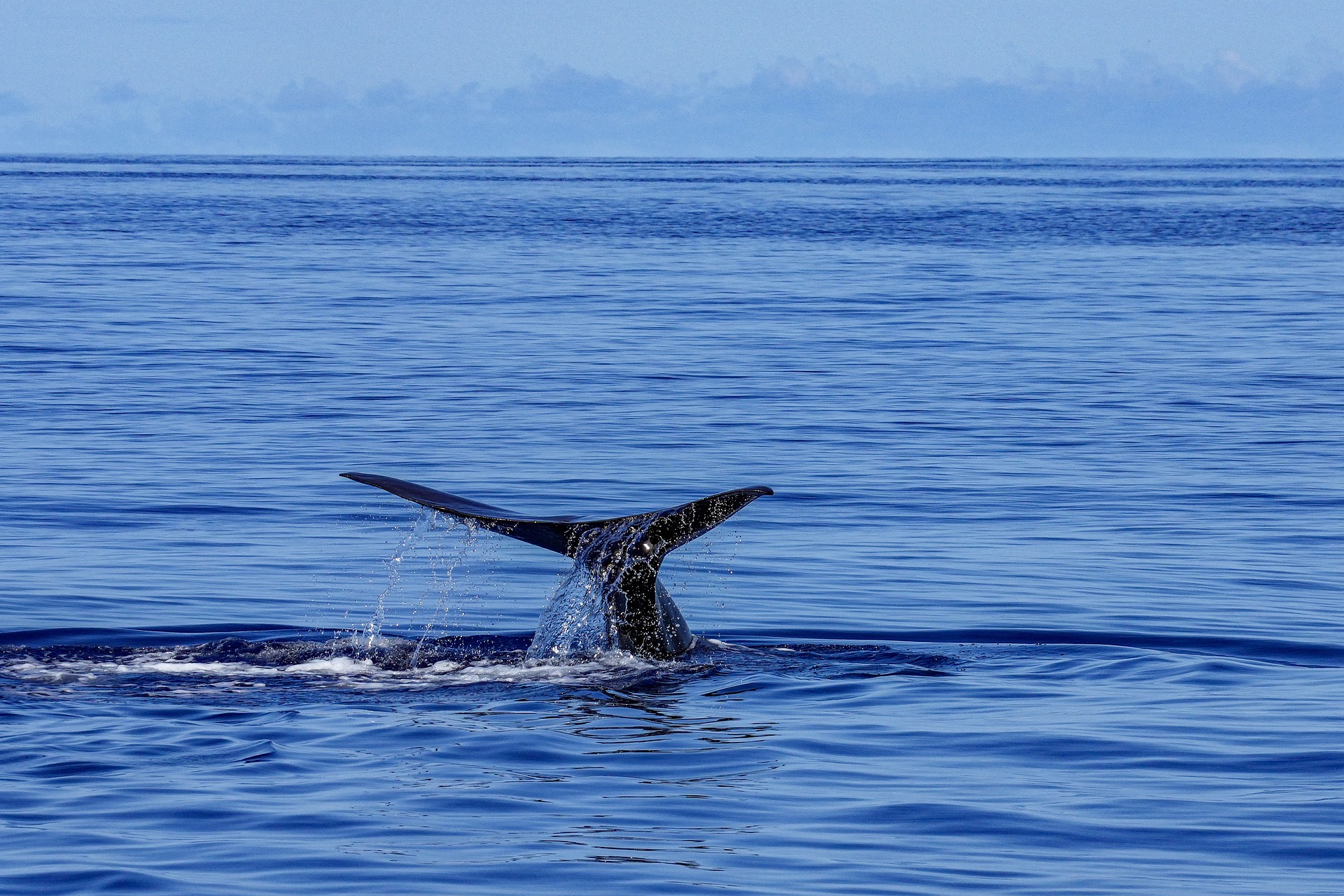
The protected area network will serve as a sanctuary for diverse marine life, including sharks, various fish species, whales, deep-sea corals, and a unique hydrothermal vent ecosystems.
This initiative was successful due to an extensive participatory process involving over 40 meetings with various stakeholders from various sectors, including the fishing sector, maritime transport, maritime-tourism operators, and environmental non-governmental organizations.
This inclusive approach resulted in a scientifically-grounded design that balances environmental protection with economic interests, ensuring benefits for both nature and local communities.
The Azores move sets a new standard for marine conservation and demonstrates how regional leadership can contribute to global environmental goals while supporting sustainable blue economies.

 Collaboration