The “Missing” Water Mass in the Atlantic

The “Missing” Water Mass in the Atlantic

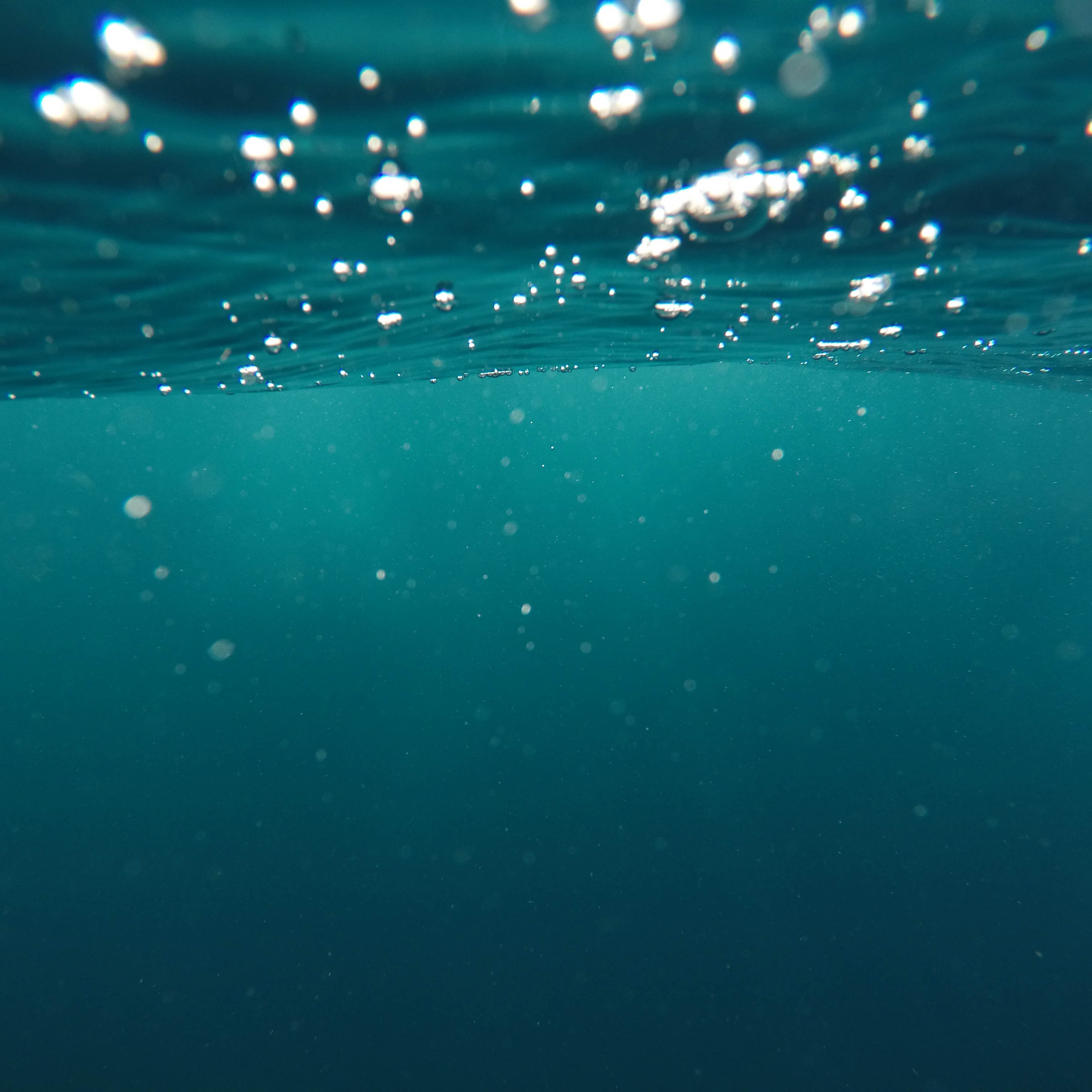
Researchers have recently discovered a previously unidentified water mass in the Atlantic Ocean, challenging previous assumptions about the ocean's composition. The findings, reported in the journal Geophysical Research Letters, highlight the importance of advanced technology in ocean research. The Atlantic Equatorial Water mass, formed by the mixing of South Atlantic Central Water and North Atlantic Central Water, was found to extend from the tip of Brazil to the Gulf of Guinea. Prior to this discovery, researchers had assumed that the South Atlantic Central Water occupied this space. The confusion between the two water masses was only dispelled through meticulous analysis of extensive data collected by the Argo. The Argo program, consisting of an array of robotic floats strategically placed throughout the ocean, played a pivotal role in uncovering this “missing” component of the Atlantic. These floats, equipped with sensors, autonomously dive and resurface, collecting vital data about the ocean's physical properties. The density of seawater, determined by its temperature and salinity, varies among different water masses, emphasizing the complexity of the ocean's composition. While the Pacific and Indian Oceans had previously revealed the existence of distinct equatorial water masses, the absence of such a phenomenon in the Atlantic had raised questions among scientists. "It seemed controversial that the equatorial water mass is present in the Pacific and Indian oceans but missing in the Atlantic Ocean because the equatorial circulation and mixing in all three oceans have common features," Viktor Zhurbas, a physicist and oceanologist at The Shirshov Institute of Oceanology in Moscow, told Live Science. The identification of this missing water mass in the Atlantic not only resolves this controversy but also sheds more light on the Atlantic Ocean’s dynamics and contributes valuable insights to the field.

Reference

Zhurbas, V.Lebedev, K., & Kuzmina, N., 2023Is there the Equatorial Water mass in the Atlantic Ocean? Geophysical Research Letters50, e2023GL104866. doi: 10.1029/2023GL104866
Turner, B. (2023, November 21). “Missing” blob of water predicted to be in the Atlantic finally found. livescience.com. https://www.livescience.com/planet-earth/missing-blob-of-water-predicted-to-be-in-the-atlantic-finally-found
Share this entry

Other News

Collaboration

Space Agencies shape regional priorities at the II Ibero-American Meeting in Madrid

calendar_today September 17, 2026

The AIR Centre took part in the II Ibero-American Space Agencies Meeting in Madrid, organised by the Spanish Space Agency on 15 and 16 September. AIR Centre’s Deputy Executive Director, Mafalda Carapuço, represented the organisation alongside heads of space agencies, universities, research centres and industry from across the Ibero-American community.

Collaboration

ATLANTICO_SARG project officially launched to tackle Sargassum impacts through science and collaboration

calendar_today September 11, 2026

On September 10, partners from AIR Centre (Portugal), UNAM (Mexico) and IMar (Cabo Verde) held the kick-off meeting for ATLANTICO_SARG, a new triangular cooperation project funded under the second Call of the SEGIB / Camões, I.P. Triangular Cooperation Fund. Held online, the meeting brougtht together researchers and representatives from all three partner institutions to address the growing impact of Sargassum seaweed flooding on Cabo Verde's coasts.

Collaboration

Australian Ambassador strengthens scientific and diplomatic engagement during visit to the AIR Centre

calendar_today September 11, 2026

The Australian Ambassador to Portugal, Dr. Helen Cheney, who also serves as Ambassador to Cabo Verde, Guinea Bissau and Sao Tome and Principe, visited the AIR Centre on Terceira Island as part of her official programme in the Azores. The visit emphasized scientific cooperation and the growing relevance of the Atlantic in Australia’s international engagement.