The Ocean is Key to Achieving Climate Goals

The Ocean is Key to Achieving Climate Goals

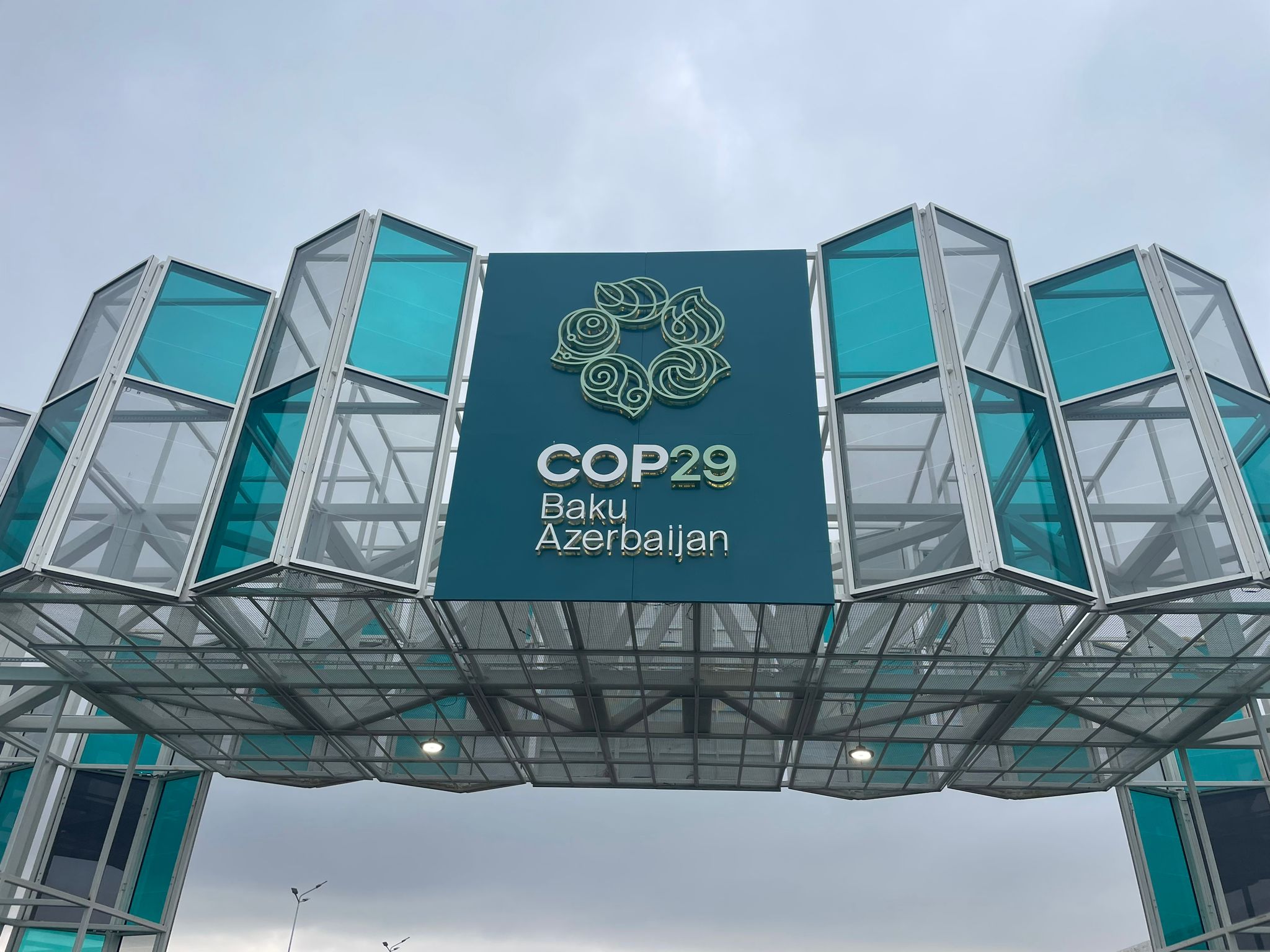
The 29th Conference of the United Nations Framework Convention on Climate Change (UNFCCC) is taking place in Baku Azerbaijan convening different experts around Climate issues. Among these, specialists are emphasizing the critical role of the ocean in meeting global climate mitigation and adaptation targets. The ocean, the planet's largest carbon sink, absorbs nearly a third of human-caused carbon dioxide emissions and 90% of heat generated by greenhouse gases making ocean-based solutions essential to keeping the 1.5°C global warming target within reach. The latest State of the Ocean Report by the Intergovernmental Oceanographic Commission's highlights significant gaps in ocean observation data, particularly in polar regions and deep ocean ecosystems, which are disproportionately impacted by climate change. To address these challenges, experts are urging increased investment in ocean research and observation systems, particularly in Small Island Developing States (SIDS), which face immediate risks from rising sea levels and ecosystem degradation. Ocean observation systems, such as those under the UN Decade of Ocean Science for Sustainable Development, the Global Ocean Observation System (GOOS), the Marine Biodiversity Observation Network (MBON) and many others, are already providing crucial data for climate forecasting and biodiversity protection. However, there is a need for greater international cooperation, funding, and technology transfer to strengthen ocean resilience. Experts also call for enhanced public awareness and capacity-building to ensure communities and policymakers can make informed decisions on ocean protection. To commit to the vital cause of protecting our ocean, while COP29 negotiations unfold, please visit the COP29 Baku Ocean Declaration. The AIR Centre signed this Declaration, reinforcing its commitment to promoting ocean health and conservation through coordinated science-based actions. An intervention by AIR Centre at the COP29 Session: 'Nature and Biodiversity, Indigenous People, Gender Equality, Oceans and Coastal Zones' will take place on November 21st focusing on Monitoring the Ocean Climate with Space and Data Science. Follow the live stream on YouTube (9 AM CET).
Share this entry

Other News

Event

Portuguese Science Summit Innovation 2026 mobilises Portugal’s research community for future priorities

calendar_today July 17, 2026

The AIR Centre took part in the Portuguese Science Summit Innovation 2026, held on 15–16 July at the Lisbon Convention Center, marking the first major event organised by Portugal’s newly established Agency for Research and Innovation (AI²).

Innovation

Brazil and Portugal deepen cooperation as Fiocruz inaugurates Lisbon Office

calendar_today July 16, 2026

On 15 July 2026, the AIR Centre took part in the official visit of Brazil’s Minister of Health, Alexandre Padilha, marking the formal launch of the Fundação Oswaldo Cruz (Fiocruz) Office in Lisbon. The new office is located in the same building that also hosts ApexBrasil, Embratur and Sebrae, reinforcing Brazil’s institutional presence in Portugal and expanding opportunities for bilateral cooperation.

Collaboration

Meeting with the Hon Consul‑General of the Kingdom of Tonga strengthens dialogue on ocean science and climate cooperation

calendar_today July 9, 2026

On 2 July, the AIR Centre hosted a meeting at its Lisbon office with the Comendador Anthony Bailey, Honourable Consul-General of His Majesty The King of Tonga to the Portuguese Republic. The discussion brought together AIR Centre Executive Director Miguel Miranda, Deputy Executive Director Mafalda Carapuço, and researcher Ana Faria, marking the beginning of a promising dialogue between the two nations.