
The World’s First Reserve for Sperm Whales

The World’s First Reserve for Sperm Whales

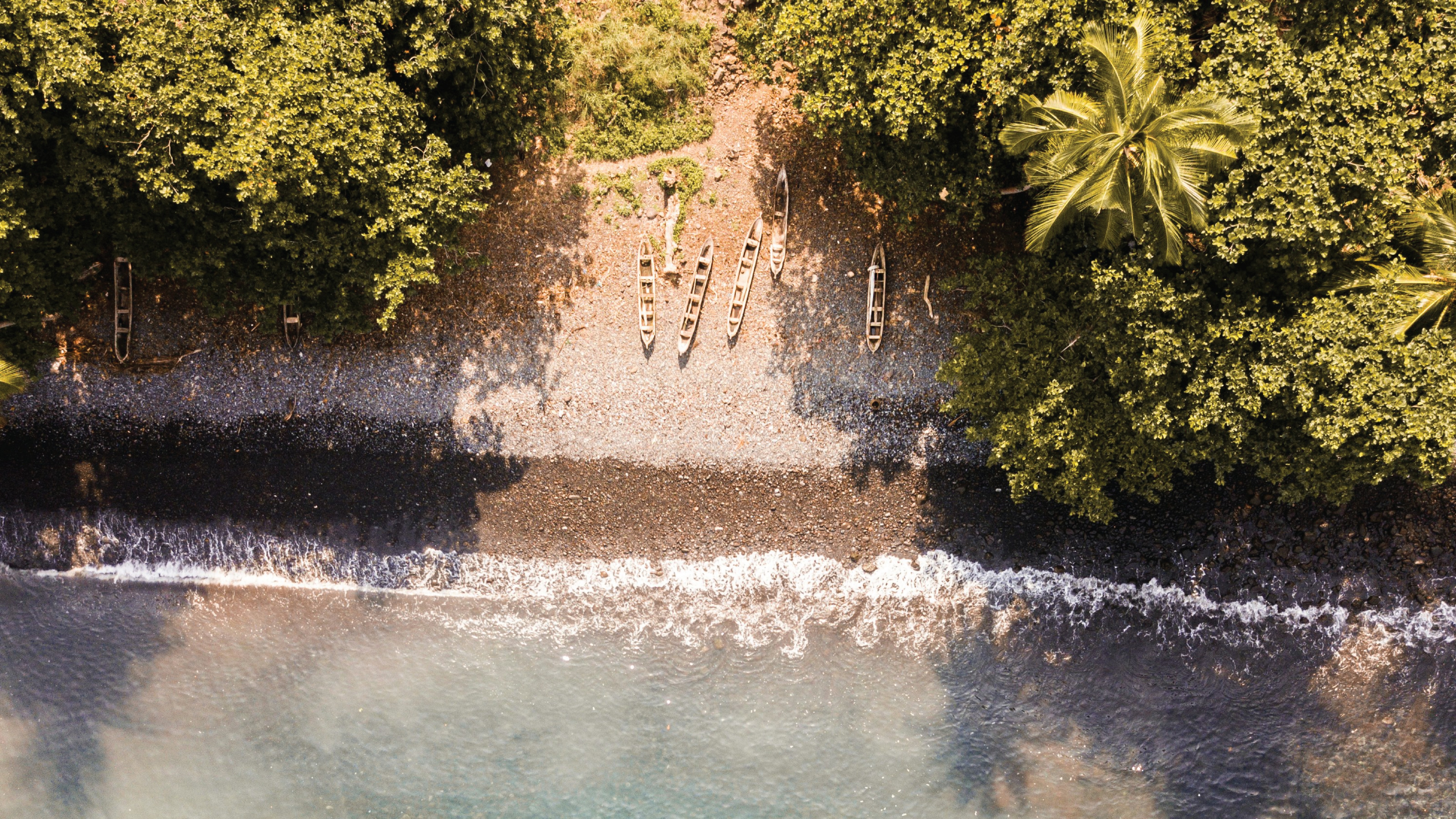
This week, the Government of Dominica announced its commitment to create the world’s first marine reserve for sperm whales, ensuring the safety of these animals and contributing to fight the climate crisis. The Caribbean island of Dominica is set to designate an almost 800 sq km patch of ocean, on its western side, as a reserve for one of the largest animals on Earth, the sperm whale. This area is known as a key nursing and feeding ground, and where these endangered mammals can be found throughout the year. Considering the danger of whales being hit by ships and entangled in fishing gear, commercial shipping and fishing will be forbidden, while sustainable artisanal fishing will be allowed, as long as it does not interfere with the sperm whales’ behaviour. Tourist activities will remain, although in more sustainable numbers and under new regulations to ensure the animals are undisturbed. Through the conservation of the species, the reserve will, not only protect marine biodiversity, but also contribute to fight climate crisis. The nutrient-rich feces of sperm whales foster plankton blooms, which capture carbon dioxide and sink with it into the deep sea, once the plankton dies. The more whales present in Dominica’s waters, the more carbon is sequestered in the ocean floor, helping to mitigate global warming. Sperm whales are large predatory mammals that inhabit ice-free ocean waters across the globe. They are social and nomadic animals that communicate by vocalisations called “codas” and can dive between 650-1000 meters deep to hunt squid. Besides climate changes, human activity such as overfishing, pollution, vessel collision and others, contribute to the threatened conservation status of these marine mammals.
Share this entry

Other News

Research

São Tomé and Príncipe takes the next step towards a Centre of Excellence in Marine Biodiversity and Sustainable Tourism

calendar_today November 13, 2026

After the regional workshop in Cabo Verde in March 2026, a new round of national workshops is now shaping the Centres of Excellence in Marine Sciences and Biodiversity for the Portuguese-speaking Small Island Developing States (SIDS). The initiative aims to strengthen national scientific and institutional capacity, foster international cooperation and support the sustainable management of marine ecosystems in Cabo Verde, São Tomé and Príncipe, Guinea-Bissau and Timor-Leste.
Collaboration

Durão Barroso visits TERINOV and highlights opportunities for Atlantic cooperation

calendar_today November 12, 2026

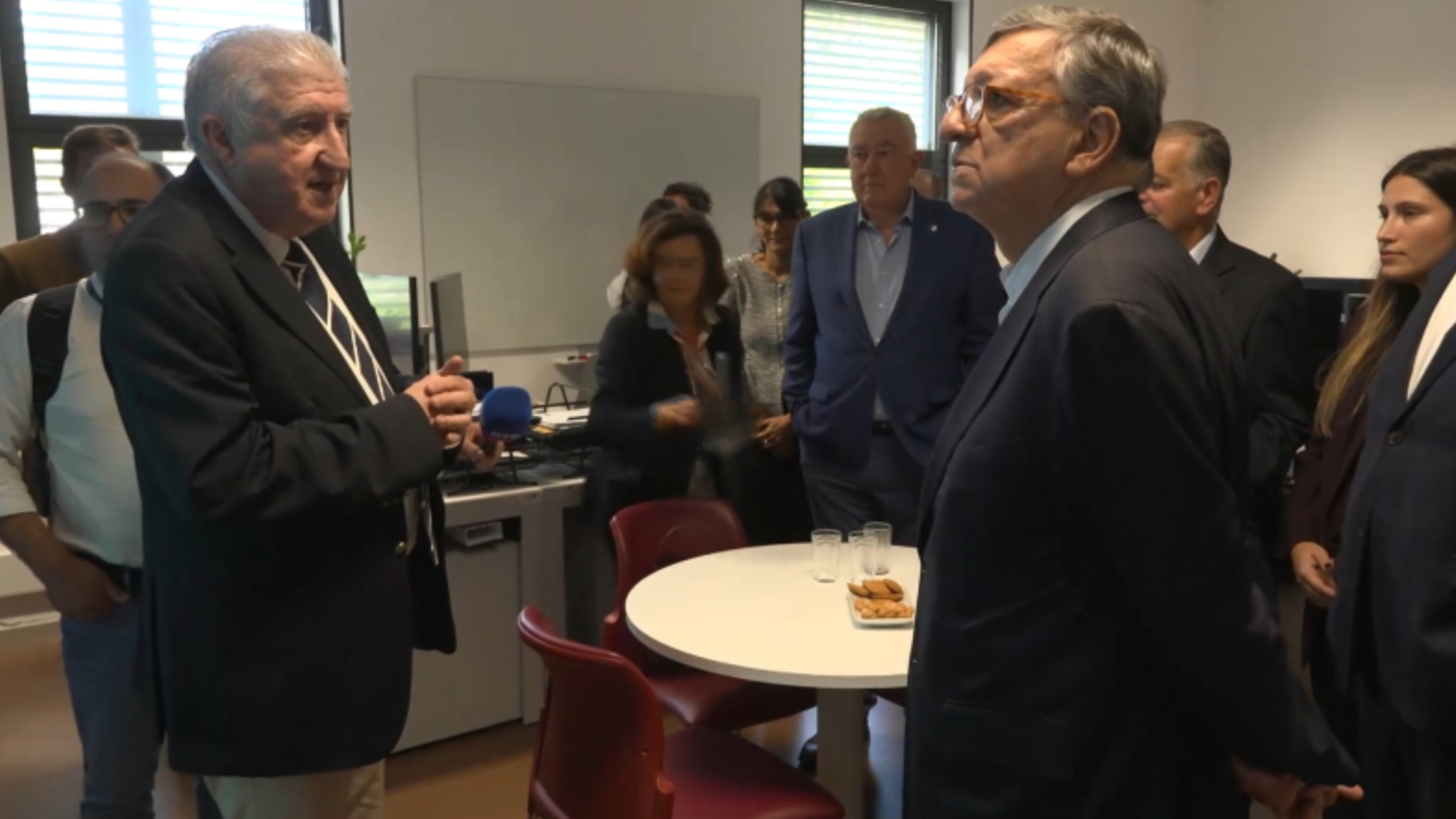
On 10 November, José Manuel Durão Barroso, President of FLAD - Luso-American Development Foundation, visited TERINOV for the first time since taking office. At the AIR Centre’s headquarters, he was welcomed by Executive Director Miguel Miranda and the Terceira-based team for a discussion on ongoing projects, international partnerships and future opportunities for collaboration.

Event

An Evening by the Atlantic: stories, music and community on Terceira

calendar_today November 9, 2026

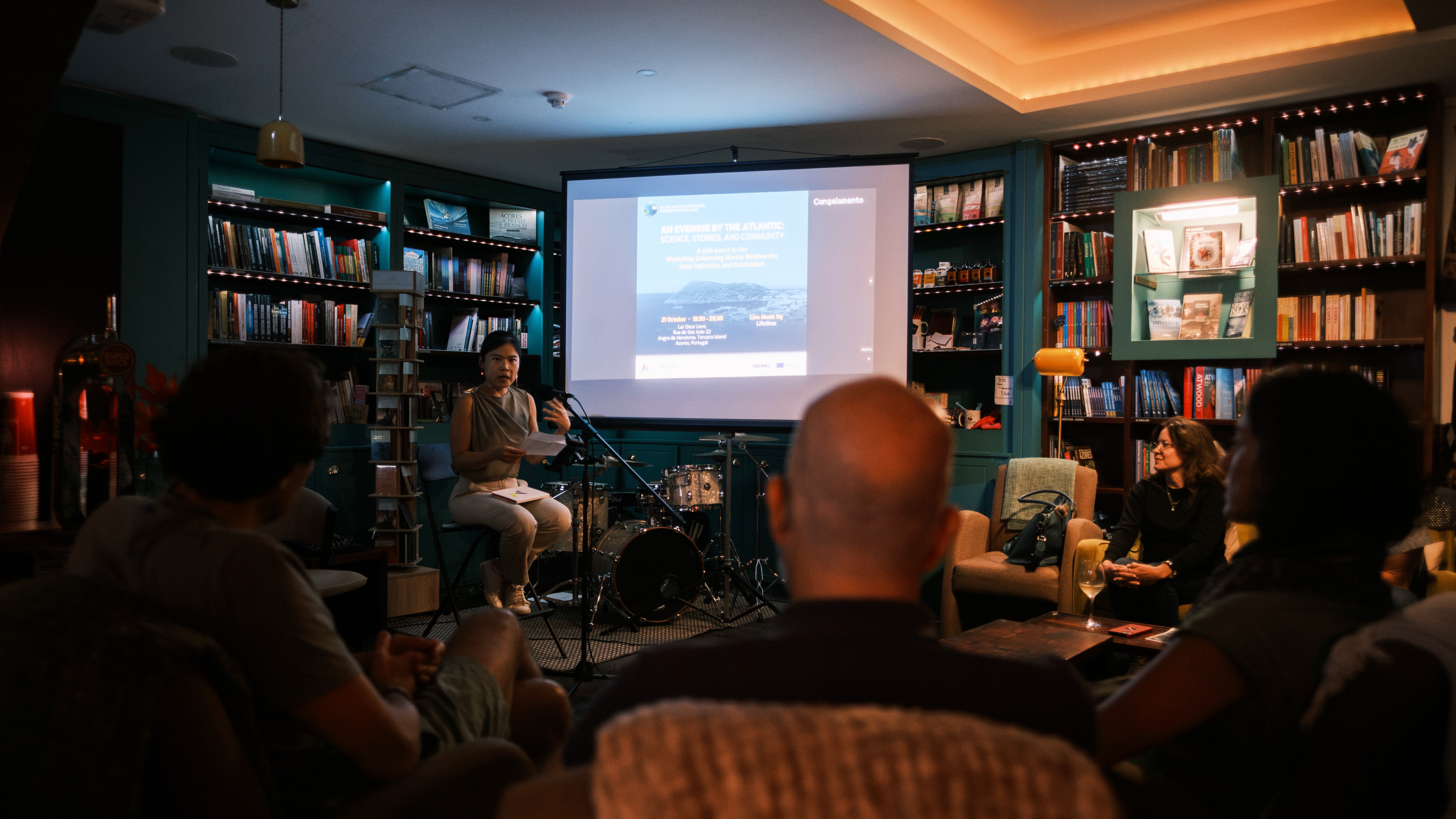
On 21 October, at Terceira Island in the Azores, “An Evening by the Atlantic: Stories, Music, and Community” took place as a side event to the workshop “Enhancing Marine Biodiversity Data Collection and Publication” (19–23 October). It brought together workshop participants and local residents in a full room.