
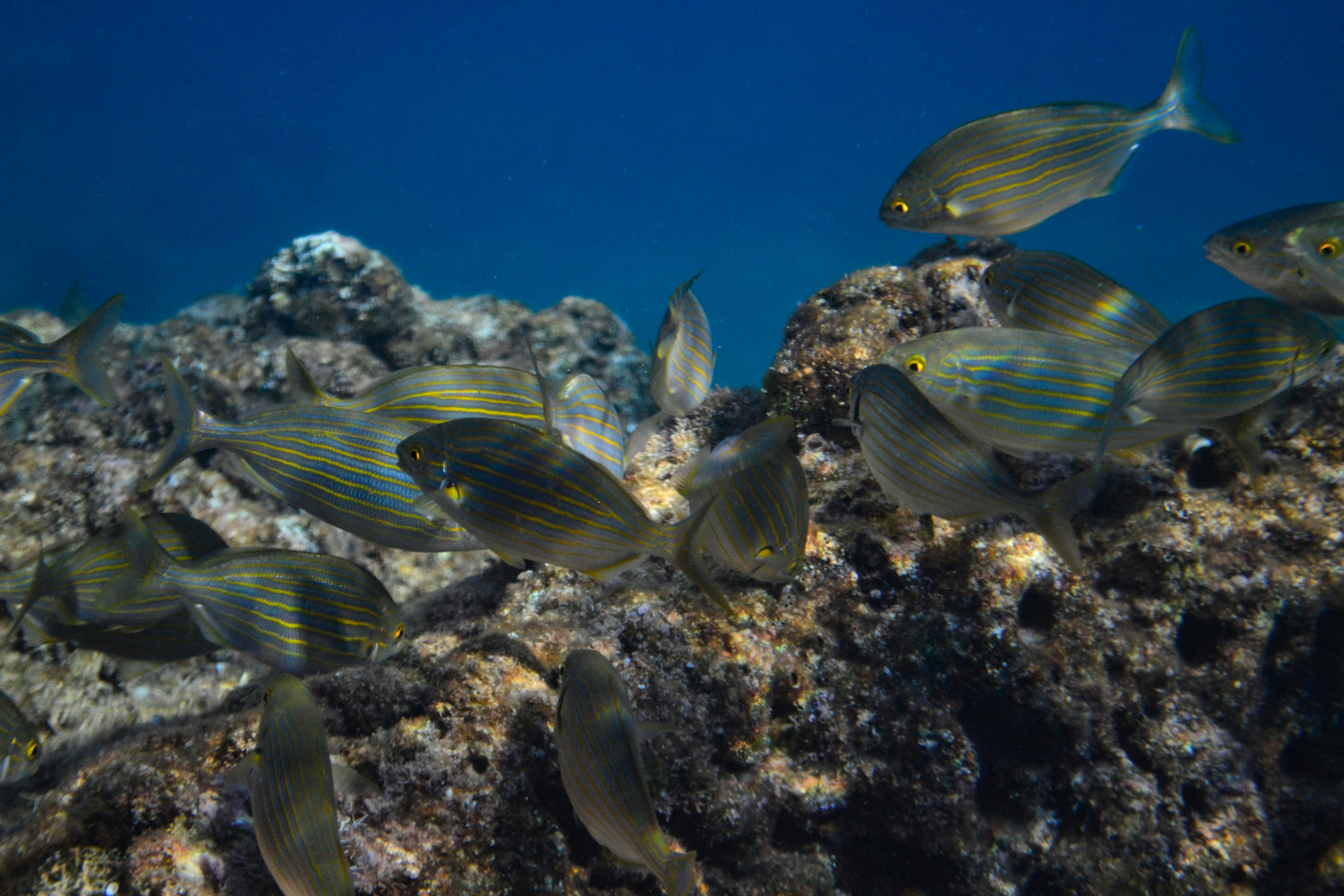

Global Warming and its toll on marine biodiversity

Global Warming and its toll on marine biodiversity

In a recent study published in Nature Communications, researchers from the Basque technology centre AZTI, have shed light on the profound effects of ocean warming on marine biodiversity, as species struggle to adapt to different temperature conditions. The Atlantic Ocean has been witnessing a surge in the presence of warmer-water species. Conversely, the Mediterranean and the Baltic Sea, experiencing accelerated warming, have seen a sharp decline in cold-water organisms. These shifts, termed tropicalization and deborealization, respectively, signal an unprecedented redistribution of marine ecosystems with far-reaching economic and social implications. According to the findings, the rise in ocean temperatures has facilitated the dispersal and colonization of species, leading to the influx of warm-water organisms into new territories. A notable example is the fact that the eastern Mediterranean has witnessed an influx of Indo-Pacific species through the Suez Canal, sparking competition with native species and altering marine food webs. However, in semi-enclosed seas like the Mediterranean and Baltic, physical barriers impede the migration of cold-water species to more suitable habitats, exacerbating their vulnerability to warming waters. This has resulted in a decline of ecologically and commercially vital species such as the European sardine in the Mediterranean and cod in the Baltic Sea. Moreover, the impacts of rising sea temperatures extend beyond fish populations to include coralligenous organisms and zooplankton, affecting biodiversity and habitat structure. These changes have repercussions on ecosystem services and marine resources, posing significant challenges for sustainable management. In response, experts emphasise the urgency of science-based management strategies to mitigate the effects of ocean warming. This includes adjusting catch quotas and fishing efforts to reflect changing population abundances and implementing conservation measures to safeguard vulnerable species and ecosystems. As Europe's marine environments continue to undergo rapid transformations, proactive measures guided by scientific research will be essential to ensure the resilience and sustainability of marine ecosystems in the face of climate change. Source: https://www.azti.es/en/impact-global-warming-on-european-marine-biodiversity/ https://www.nature.com/articles/s41467-024-46526-y
Share this entry

Other News

Research

São Tomé and Príncipe takes the next step towards a Centre of Excellence in Marine Biodiversity and Sustainable Tourism

calendar_today November 13, 2026

After the regional workshop in Cabo Verde in March 2026, a new round of national workshops is now shaping the Centres of Excellence in Marine Sciences and Biodiversity for the Portuguese-speaking Small Island Developing States (SIDS). The initiative aims to strengthen national scientific and institutional capacity, foster international cooperation and support the sustainable management of marine ecosystems in Cabo Verde, São Tomé and Príncipe, Guinea-Bissau and Timor-Leste.

Collaboration

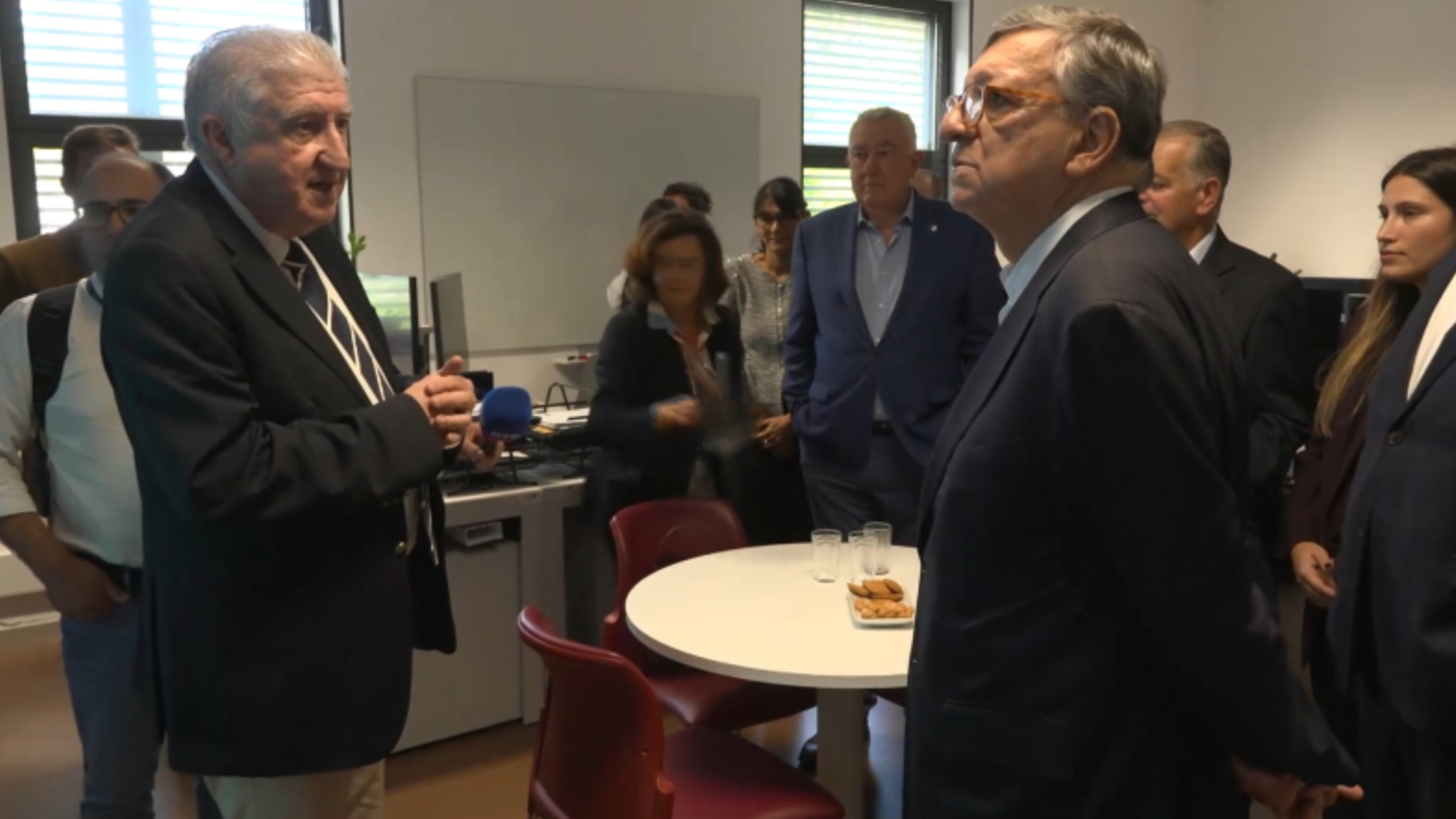
Durão Barroso visits TERINOV and highlights opportunities for Atlantic cooperation

calendar_today November 12, 2026

On 10 November, José Manuel Durão Barroso, President of FLAD - Luso-American Development Foundation, visited TERINOV for the first time since taking office. At the AIR Centre’s headquarters, he was welcomed by Executive Director Miguel Miranda and the Terceira-based team for a discussion on ongoing projects, international partnerships and future opportunities for collaboration.

Event

An Evening by the Atlantic: stories, music and community on Terceira

calendar_today November 9, 2026

On 21 October, at Terceira Island in the Azores, “An Evening by the Atlantic: Stories, Music, and Community” took place as a side event to the workshop “Enhancing Marine Biodiversity Data Collection and Publication” (19–23 October). It brought together workshop participants and local residents in a full room.