Global Warming and its toll on marine biodiversity

Global Warming and its toll on marine biodiversity

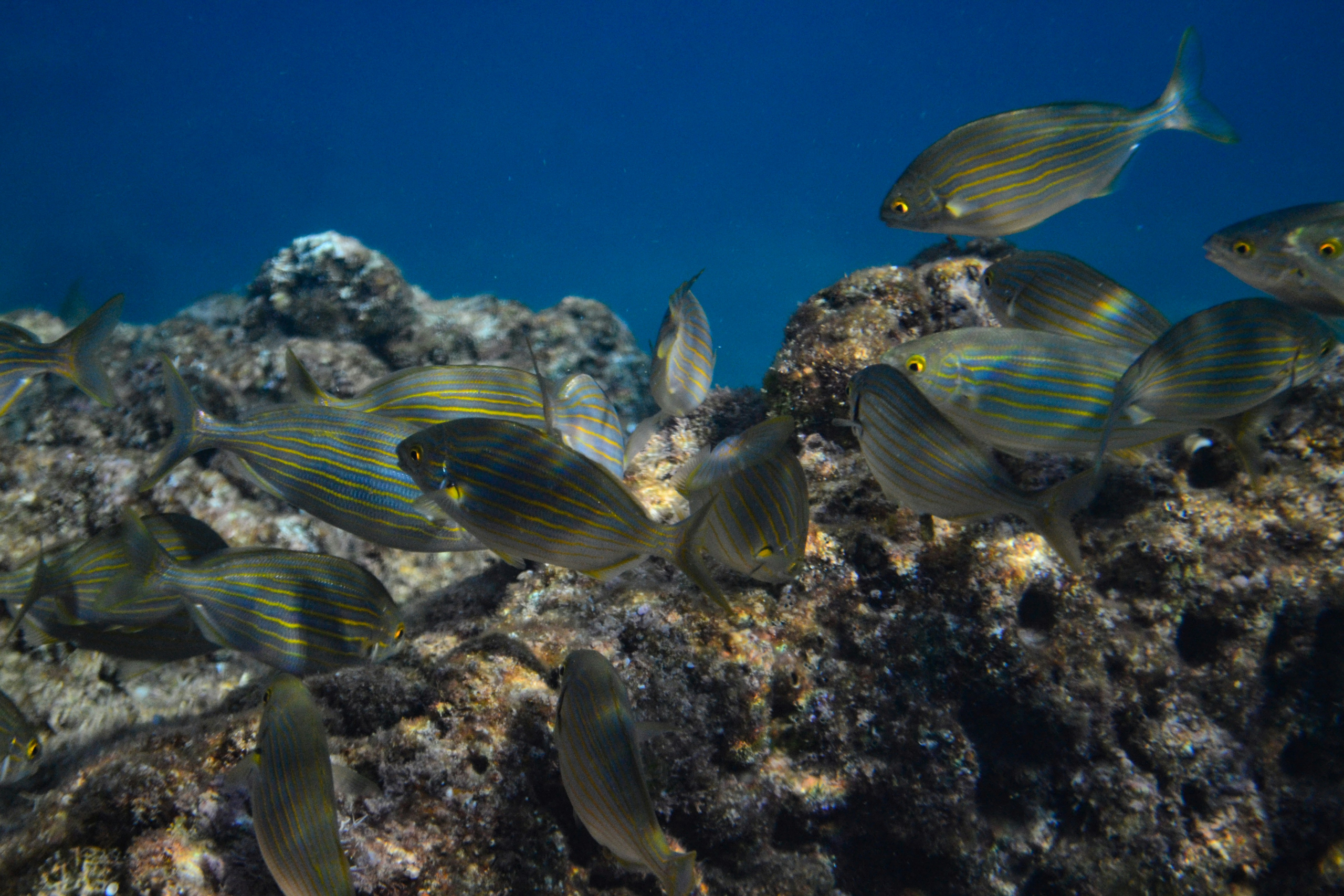
In a recent study published in Nature Communications, researchers from the Basque technology centre AZTI, have shed light on the profound effects of ocean warming on marine biodiversity, as species struggle to adapt to different temperature conditions. The Atlantic Ocean has been witnessing a surge in the presence of warmer-water species. Conversely, the Mediterranean and the Baltic Sea, experiencing accelerated warming, have seen a sharp decline in cold-water organisms. These shifts, termed tropicalization and deborealization, respectively, signal an unprecedented redistribution of marine ecosystems with far-reaching economic and social implications. According to the findings, the rise in ocean temperatures has facilitated the dispersal and colonization of species, leading to the influx of warm-water organisms into new territories. A notable example is the fact that the eastern Mediterranean has witnessed an influx of Indo-Pacific species through the Suez Canal, sparking competition with native species and altering marine food webs. However, in semi-enclosed seas like the Mediterranean and Baltic, physical barriers impede the migration of cold-water species to more suitable habitats, exacerbating their vulnerability to warming waters. This has resulted in a decline of ecologically and commercially vital species such as the European sardine in the Mediterranean and cod in the Baltic Sea. Moreover, the impacts of rising sea temperatures extend beyond fish populations to include coralligenous organisms and zooplankton, affecting biodiversity and habitat structure. These changes have repercussions on ecosystem services and marine resources, posing significant challenges for sustainable management. In response, experts emphasise the urgency of science-based management strategies to mitigate the effects of ocean warming. This includes adjusting catch quotas and fishing efforts to reflect changing population abundances and implementing conservation measures to safeguard vulnerable species and ecosystems. As Europe's marine environments continue to undergo rapid transformations, proactive measures guided by scientific research will be essential to ensure the resilience and sustainability of marine ecosystems in the face of climate change. Source: https://www.azti.es/en/impact-global-warming-on-european-marine-biodiversity/ https://www.nature.com/articles/s41467-024-46526-y
Share this entry

Other News

Event

Portuguese Science Summit Innovation 2026 mobilises Portugal’s research community for future priorities

calendar_today July 17, 2026

The AIR Centre took part in the Portuguese Science Summit Innovation 2026, held on 15–16 July at the Lisbon Convention Center, marking the first major event organised by Portugal’s newly established Agency for Research and Innovation (AI²).

Innovation

O Brasil e Portugal aprofundam a cooperação com a inauguração do escritório da Fiocruz em Lisboa

calendar_today July 16, 2026

A 15 de julho de 2026, o Centro AIR participou na visita oficial do Ministro da Saúde do Brasil, Alexandre Padilha, que marcou o lançamento formal do Gabinete da Fundação Oswaldo Cruz (Fiocruz) em Lisboa. O novo escritório está localizado no mesmo edifício que também alberga a ApexBrasil, a Embratur e o Sebrae, reforçando a presença institucional do Brasil em Portugal e ampliando as oportunidades de cooperação bilateral.

Collaboration

Meeting with the Hon Consul‑General of the Kingdom of Tonga strengthens dialogue on ocean science and climate cooperation

calendar_today July 9, 2026

On 2 July, the AIR Centre hosted a meeting at its Lisbon office with the Comendador Anthony Bailey, Honourable Consul-General of His Majesty The King of Tonga to the Portuguese Republic. The discussion brought together AIR Centre Executive Director Miguel Miranda, Deputy Executive Director Mafalda Carapuço, and researcher Ana Faria, marking the beginning of a promising dialogue between the two nations.