Innovative Approach to Detect Marine Debris

Innovative Approach to Detect Marine Debris

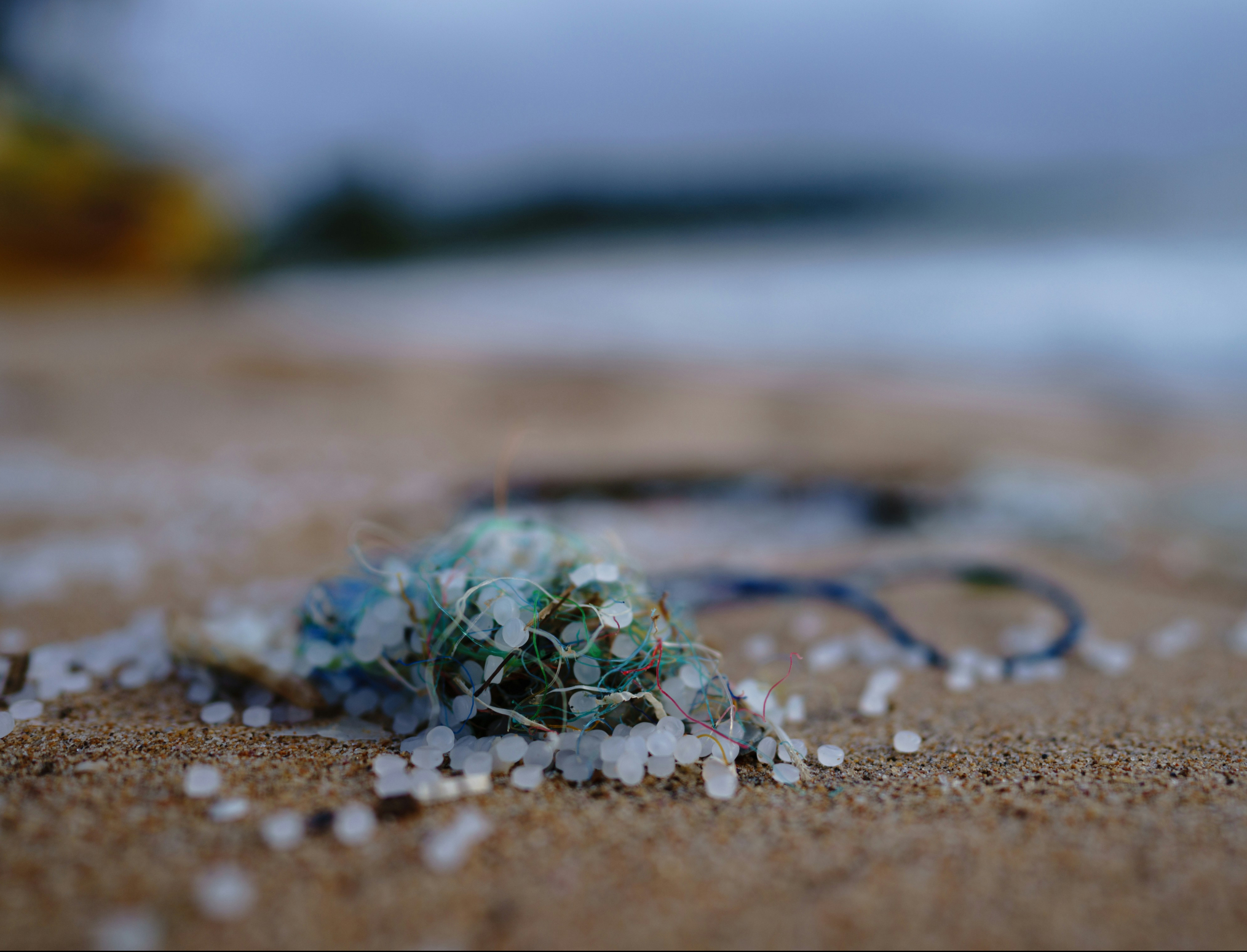
Advanced satellite data and machine learning algorithms are being deployed to detect suspected marine debris near Vigo, in response to the increasing threat of the presence of plastic pellets in the ocean. Satellite technology, coupled with machine learning algorithms, is currently in use by the AIR Centre to better understand the spatial extent of the recent release of millions of pellets, following the loss of containers from a vessel off the Portuguese coast.  The AIR Centre used its innovative tool, POS2IDON, which maps the potential locations of marine debris (and other features) in high-resolution (10 m) Sentinel-2 satellite images. Processing of images closest to the loss of containers, with better viewing conditions, revealed potential locations for marine debris, which were then visualised by an experienced operator for the areas with higher probability (red stars shown in figure). Large accumulations of debris (> 10 m) from the containers were not found (possibly sank), but it is likely that the pellets will be aggregated along filaments and other frontal structures. Spain and Portugal faced an environmental crisis in January as large quantities of plastic pellets started washing up on beaches. The pellets began to be found after 15th of December in Northern Spain, near the Portugal border. The problem started on December 8th, when a cargo vessel lost six containers about 80 km off the coast of Portugal. One container had a total of 1050 bags of pellets, 25 kilos each, meaning that millions of plastics pellets, and likely other debris, had been released into the ocean, where they represent a threat to the environment, navigation, and human health. The use of satellite Sentinel data radiometric classification, and state-of-the-art machine learning algorithms, represents a significant advancement in addressing environmental challenges, arising from pollution events at sea. This technology not only identifies potential marine debris but also aids authorities and civil initiatives in locating and predicting the locations where debris and plastic pellets may be found. This initiative responds to the escalating threat of the lost containers at sea and associated release of plastic pellets in the ocean.

References:

- https://www.noialimpa.org/informacion-pellets-plastico-galicia
- https://www.diariodearousa.com/articulo/o-barbanza/retirados-52-sacos-millones-pellets-plasticos-playas-rocas-desde-espineirido-faro-corrubedo-ribeira-4651977
- https://github.com/AIRCentre/POS2IDON
Share this entry

Other News

Collaboration

Space Agencies shape regional priorities at the II Ibero-American Meeting in Madrid

calendar_today September 17, 2026

The AIR Centre took part in the II Ibero-American Space Agencies Meeting in Madrid, organised by the Spanish Space Agency on 15 and 16 September. AIR Centre’s Deputy Executive Director, Mafalda Carapuço, represented the organisation alongside heads of space agencies, universities, research centres and industry from across the Ibero-American community.

Collaboration

ATLANTICO_SARG project officially launched to tackle Sargassum impacts through science and collaboration

calendar_today September 11, 2026

On September 10, partners from AIR Centre (Portugal), UNAM (Mexico) and IMar (Cabo Verde) held the kick-off meeting for ATLANTICO_SARG, a new triangular cooperation project funded under the second Call of the SEGIB / Camões, I.P. Triangular Cooperation Fund. Held online, the meeting brougtht together researchers and representatives from all three partner institutions to address the growing impact of Sargassum seaweed flooding on Cabo Verde's coasts.

Collaboration

Australian Ambassador strengthens scientific and diplomatic engagement during visit to the AIR Centre

calendar_today September 11, 2026

The Australian Ambassador to Portugal, Dr. Helen Cheney, who also serves as Ambassador to Cabo Verde, Guinea Bissau and Sao Tome and Principe, visited the AIR Centre on Terceira Island as part of her official programme in the Azores. The visit emphasized scientific cooperation and the growing relevance of the Atlantic in Australia’s international engagement.