Traducción automática: Este texto ha sido traducido automáticamente y puede contener imprecisiones. En caso de duda, consulte la versión en inglés.
Innovative Approach to Detect Marine Debris

Innovative Approach to Detect Marine Debris

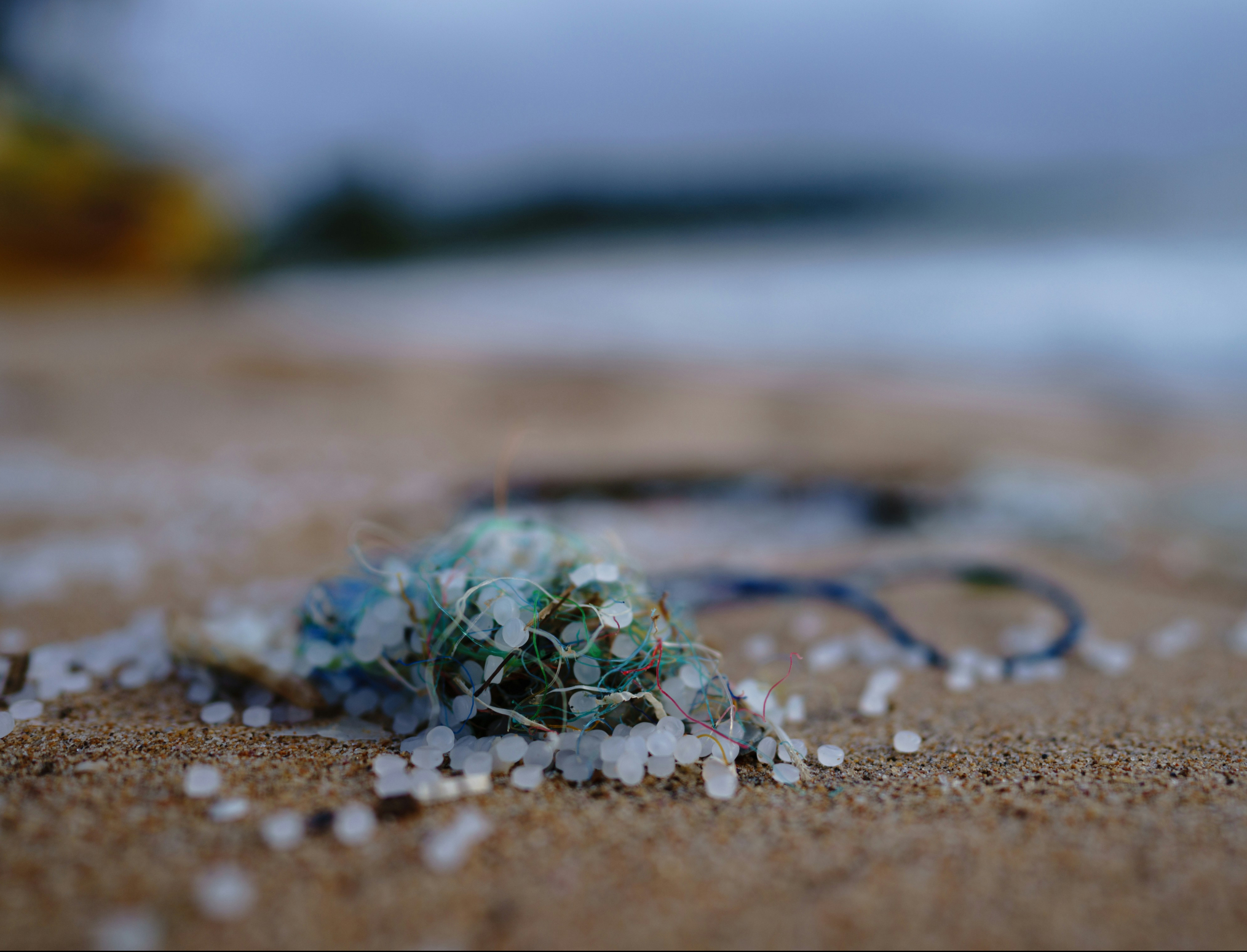
Advanced satellite data and machine learning algorithms are being deployed to detect suspected marine debris near Vigo, in response to the increasing threat of the presence of plastic pellets in the ocean. Satellite technology, coupled with machine learning algorithms, is currently in use by the AIR Centre to better understand the spatial extent of the recent release of millions of pellets, following the loss of containers from a vessel off the Portuguese coast.  The AIR Centre used its innovative tool, POS2IDON, which maps the potential locations of marine debris (and other features) in high-resolution (10 m) Sentinel-2 satellite images. Processing of images closest to the loss of containers, with better viewing conditions, revealed potential locations for marine debris, which were then visualised by an experienced operator for the areas with higher probability (red stars shown in figure). Large accumulations of debris (> 10 m) from the containers were not found (possibly sank), but it is likely that the pellets will be aggregated along filaments and other frontal structures. Spain and Portugal faced an environmental crisis in January as large quantities of plastic pellets started washing up on beaches. The pellets began to be found after 15th of December in Northern Spain, near the Portugal border. The problem started on December 8th, when a cargo vessel lost six containers about 80 km off the coast of Portugal. One container had a total of 1050 bags of pellets, 25 kilos each, meaning that millions of plastics pellets, and likely other debris, had been released into the ocean, where they represent a threat to the environment, navigation, and human health. The use of satellite Sentinel data radiometric classification, and state-of-the-art machine learning algorithms, represents a significant advancement in addressing environmental challenges, arising from pollution events at sea. This technology not only identifies potential marine debris but also aids authorities and civil initiatives in locating and predicting the locations where debris and plastic pellets may be found. This initiative responds to the escalating threat of the lost containers at sea and associated release of plastic pellets in the ocean.

References:

- https://www.noialimpa.org/informacion-pellets-plastico-galicia
- https://www.diariodearousa.com/articulo/o-barbanza/retirados-52-sacos-millones-pellets-plasticos-playas-rocas-desde-espineirido-faro-corrubedo-ribeira-4651977
- https://github.com/AIRCentre/POS2IDON
Share this entry

Other News

Event

La Cumbre Científica Portuguesa «Innovación 2026» moviliza a la comunidad investigadora de Portugal en torno a las prioridades futuras

calendar_today July 17, 2026

El Centro AIR participó en la Cumbre Científica Portuguesa «Innovación 2026», celebrada los días 15 y 16 de julio en el Centro de Convenciones de Lisboa, que supuso el primer gran evento organizado por la recién creada Agencia de Investigación e Innovación de Portugal (AI²).

Innovation

Brasil y Portugal refuerzan su cooperación con la inauguración de la oficina de la Fiocruz en Lisboa

calendar_today July 16, 2026

El 15 de julio de 2026, el Centro AIR participó en la visita oficial del ministro de Sanidad de Brasil, Alexandre Padilha, con motivo de la inauguración oficial de la oficina de la Fundação Oswaldo Cruz (Fiocruz) en Lisboa. La nueva oficina está situada en el mismo edificio que alberga también a ApexBrasil, Embratur y Sebrae, lo que refuerza la presencia institucional de Brasil en Portugal y amplía las oportunidades de cooperación bilateral.

Collaboration

Meeting with the Hon Consul‑General of the Kingdom of Tonga strengthens dialogue on ocean science and climate cooperation

calendar_today July 9, 2026

On 2 July, the AIR Centre hosted a meeting at its Lisbon office with the Comendador Anthony Bailey, Honourable Consul-General of His Majesty The King of Tonga to the Portuguese Republic. The discussion brought together AIR Centre Executive Director Miguel Miranda, Deputy Executive Director Mafalda Carapuço, and researcher Ana Faria, marking the beginning of a promising dialogue between the two nations.