Networking Fridays
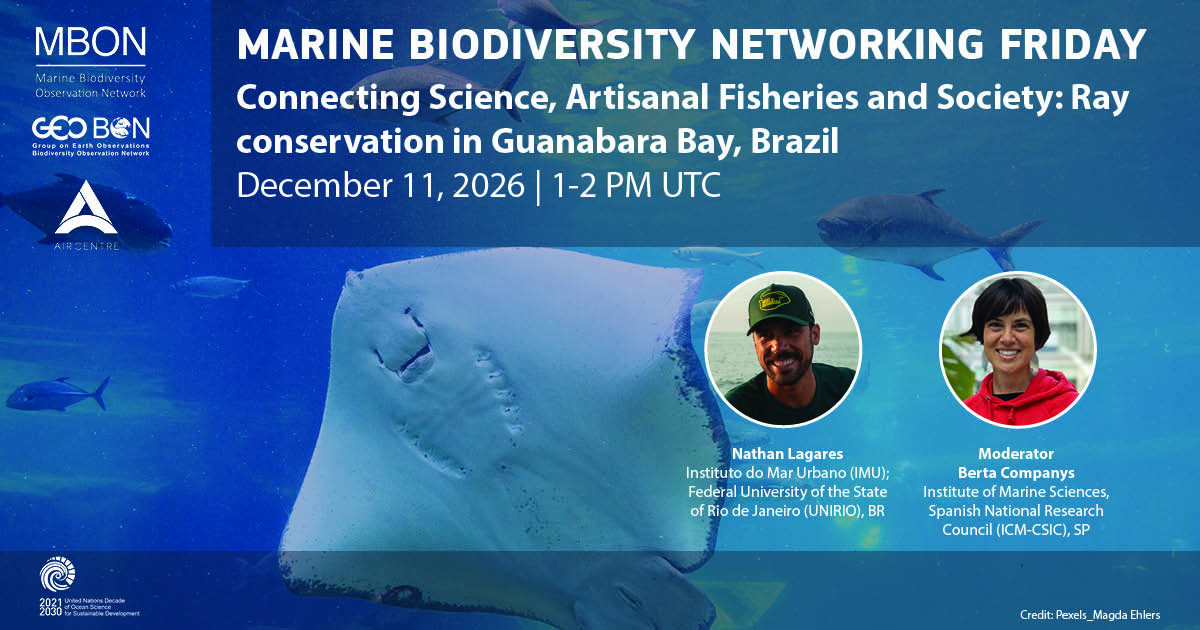
Connecting Science, Artisanal Fisheries and Society: Ray conservation in Guanabara Bay, Brazil
Fecha
December 11, 2026, 1:00 PM - 2:00 PM UTC
PróximoAIR Centre Networking Fridays
Más información sobre la serie de Webinars aquíGuanabara Bay, located in Rio de Janeiro, southeastern Brazil, is an important marine and estuarine ecosystem that supports a diverse elasmobranch community despite intense urbanisation, habitat degradation, and multiple anthropogenic pressures. This session introduces the Guanabara Bay Rays Project, an initiative Instituto Mar Urbano has developed since 2021 to advance ray research and conservation through an integrated, collaborative approach.
We will explore how scientific research, partnerships with artisanal fishers, fisheries monitoring, catch-and-release practices, tagging activities, citizen science, and environmental education can contribute to elasmobranch conservation. Attention will be given to the role of local fishing communities as key partners in generating ecological knowledge and supporting conservation actions. We will also illustrate how science communication and public engagement can strengthen the connection between marine biodiversity research and society, offering insights into the opportunities and challenges of implementing collaborative conservation initiatives in highly urbanised coastal environments.
Programa · UTC
Moderadores
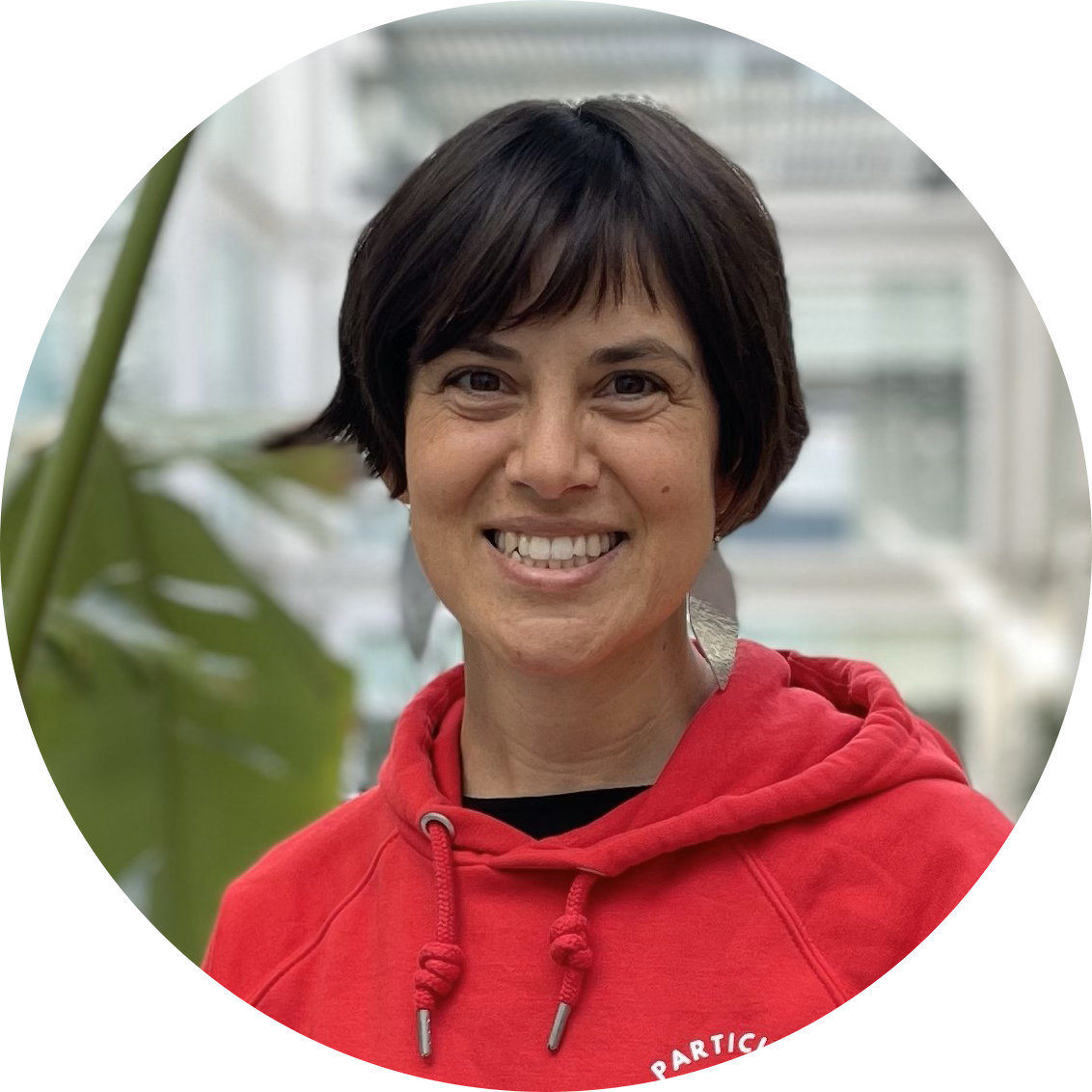
Berta Companys
Institute of Marine Sciences, Spanish National Research Council (ICM-CSIC), SP
Berta Companys graduated in Marine Science in 2010 (University of Vigo, Spain) and is a PhD candidate at the EMBIMOS research group (ICM-CSIC). She has worked on several research projects both nationally and internationally funded, focusing on marine biodiversity monitoring, invasive alien species and ecosystem restoration. She worked on the Horizon Europe ANERIS project focusing on participatory technologies development and large-scale marine participatory actions (BioMARathons) to consolidate a Community of Practice on the Catalan coast. As a result, full coverage of the Catalan coast has been achieved with participatory contributions. Her research work is focused on marine unstructured participatory data characterisation, continuing with the BEAGLE project.
Ponentes
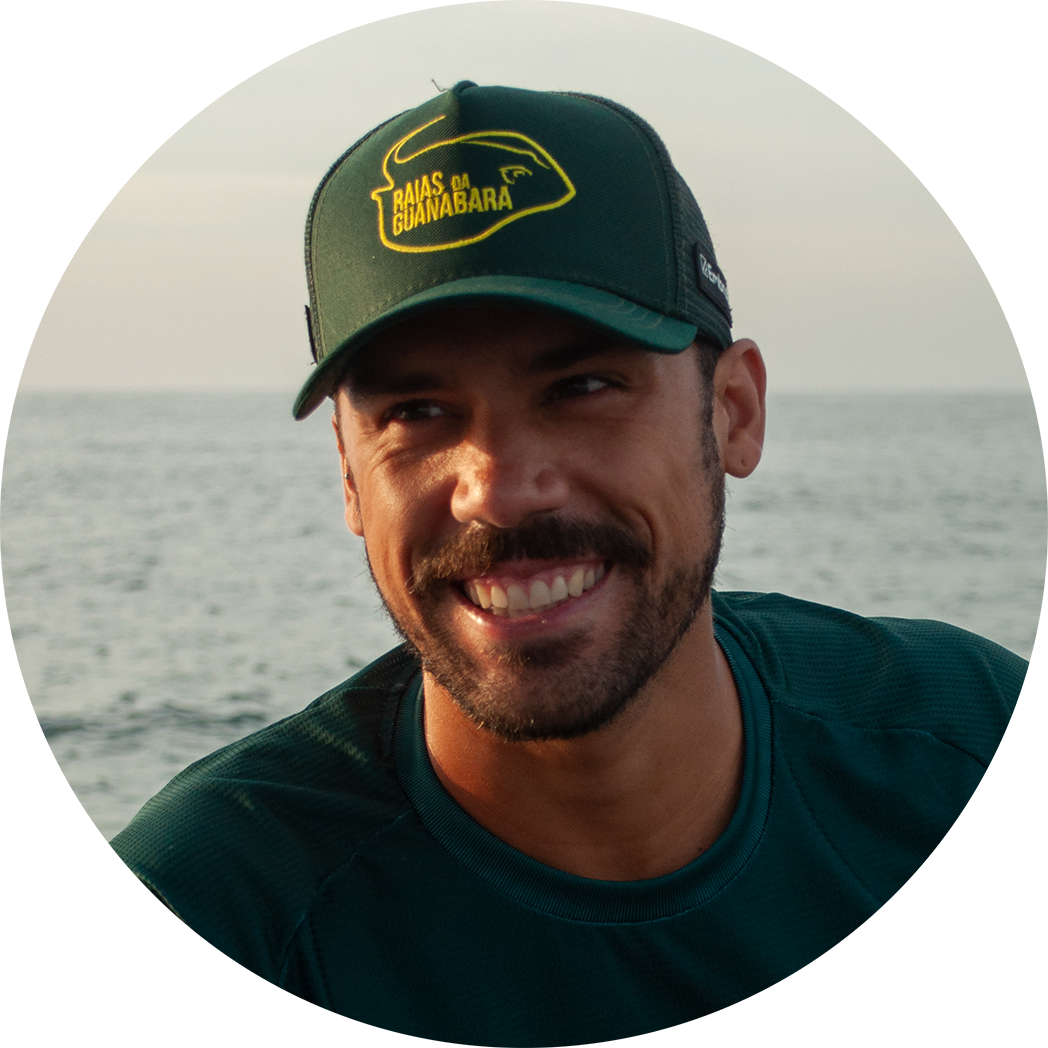
Nathan Lagares
Instituto do Mar Urbano (IMU); Federal University of the State of Rio de Janeiro (UNIRIO), BR
Nathan Lagares is a Brazilian marine biologist, researcher, and environmental project manager at Instituto Mar Urbano (IMU), in Rio de Janeiro, Brazil. He holds a bachelor’s degree in Biological Sciences from the Federal University of the State of Rio de Janeiro (UNIRIO), a master’s degree in Ecotourism and Conservation, and is currently a PhD candidate in Neotropical Biodiversity at UNIRIO.
His work focuses on the ecology and conservation of sharks and rays (Elasmobranchii), with particular emphasis on species occurrence, fisheries interactions, and conservation strategies in coastal and urban marine environments. He coordinates the Guanabara Bay Rays Project (Projeto Raias da Guanabara), an initiative that integrates scientific research, collaboration with artisanal fishing communities, environmental education, and public engagement to promote the conservation of elasmobranchs in southeastern Brazil.