A Tool to Increase the Utility of Ocean Observations
Current ocean biological observations lack certain procedures and methodologies which hinders proper evaluation of the human impact on marine life, however, this is expected to be addressed through an innovative tool, BioEcoOcean, which will support the development and coordination of biological marine measurements.
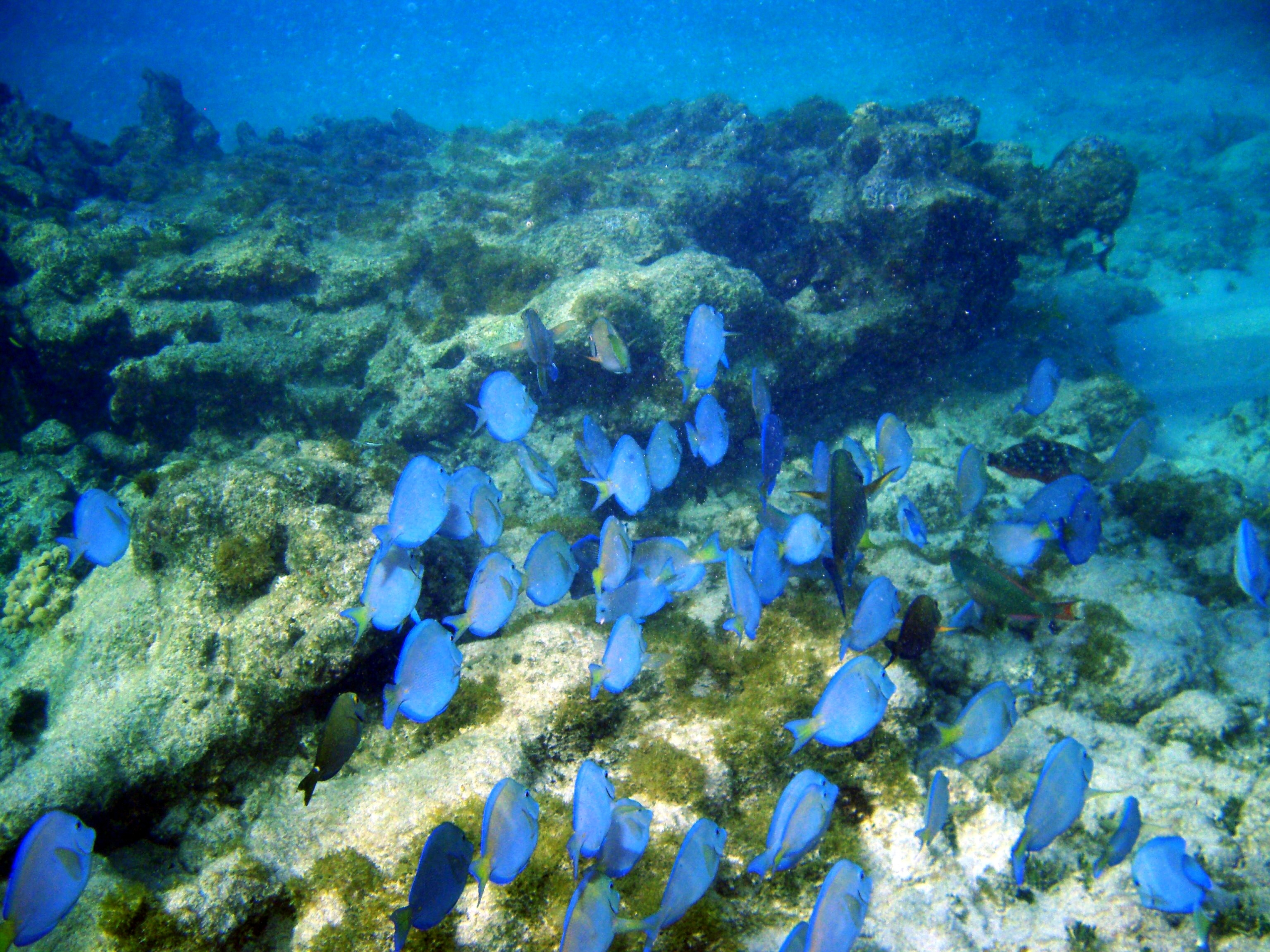
Good marine life science and data are needed to make every decision involving the ocean. Observations of marine life, such as the number of fishes and areas covered by algae, are currently measured by a variety of methods and technologies, which lack standardisation and commonly agreed procedures. This absence of a mature operational observation system for ocean biology, contrary to what currently exists for the physical climate, makes it difficult to answer questions such as the impact that humans are having on marine life, which in turn limits our ability to make forecasts and well-informed policy decisions towards the management, conservation and sustainable use of marine resources.
To address this problem, BioEcoOcean seeks to create a system for supporting the development and coordination of ocean biological observations and measurements, making them comparable between different countries, research groups and management agencies. Several studies with different taxa will be carried out in various locations around Europe to test, adapt and develop the tool in a co-creative process involving different stakeholders. The AIR Centre will explore the potential of high-resolution remote sensing technologies to improve the measuring of Biological and Ecological Essential Ocean Variables (EOVs), such as those related to macroalgae and seagrass distributions.
This effort is led by the Uppsala University, together with the University of Pisa, UNESCO, DTU, CIIMAR, Mercator Ocean International, IOPAN, EuroGOOS and the AIR Centre. Represented are also international networks such as the Global Ocean Observing System (GOOS) Biology and Ecology Panel, Ocean Biodiversity Information System (OBIS) and the Marine Biodiversity Observation Network (MBON).
The MBON secretariat, hosted by the AIR Centre, is part of this challenge. “The MBON secretariat partners with BioEcoOcean to secure robust international collaborations, monitoring networks and common standards are in place to support marine life monitoring, and safeguard each community has the information needed to adapt and plan for resilience and sustainable use of the ocean”, says Joana Soares, Executive Secretary of the MBON.

 Research