Development of new by-products and raw materials from marine litter and algae

Development of new by-products and raw materials from marine litter and algae

Following the principles of circular and blue economy, the Azores EcoBlue project collected 31.3 tons of marine anthropogenic litter and surplus materials from the sea and fishing sector, of which transformed 15.6 tons into textile yarn and thread used in construction. Only through the integration of innovative approaches it was possible to develop new by-products and raw materials, including novel fibers for thermal insulation, from the collected marine waste. In addition to plastic pollution, the Azores EcoBlue project also addressed macroalgae, with the invasive algae Rugulopteryx okamurae being the most recovered during the project. All project results can be accessed at https://ecobluegroup.com/azores-ecoblue/. The AIR Centre contributed to the project with existing state-of-the-art methodologies for the detection of macroplastics using Earth Observation satellites with a focus on studying the eventual presence of marine litter and macroalgae patches in the order of meters around the archipelago of the Azores. It was found that, although detection with current satellite technologies presents limitations in terms of spatial resolution and cloud cover, it is still possible to detect some suspected cases of agglomerated material in the Azores, which can help identify accumulation hot spots (see below figure). The Azores EcoBlue project, that held its final meeting at the end of April 2024, at Nonagon – Parque de Ciência e Tecnologia de São Miguel, has actively contributed to the sustainability of the marine ecosystem in the Azores and the archipelago economy, by transforming marine waste into new raw materials, strongly promoting the circular economy. The project consortium was led by Circular Blue Group and included the University of Minho, University of the Azores through Okeanos, TERINOV, Visual Thinking, AIR Centre (Atlantic International Research Centre) and AEP (Associação Empresarial de Portugal). Project financed by: EEA Grants Portugal Program operator: DGPM
Share this entry

Other News

Research

International Workshop in the Azores strengthens marine biodiversity data sharing

calendar_today October 28, 2026

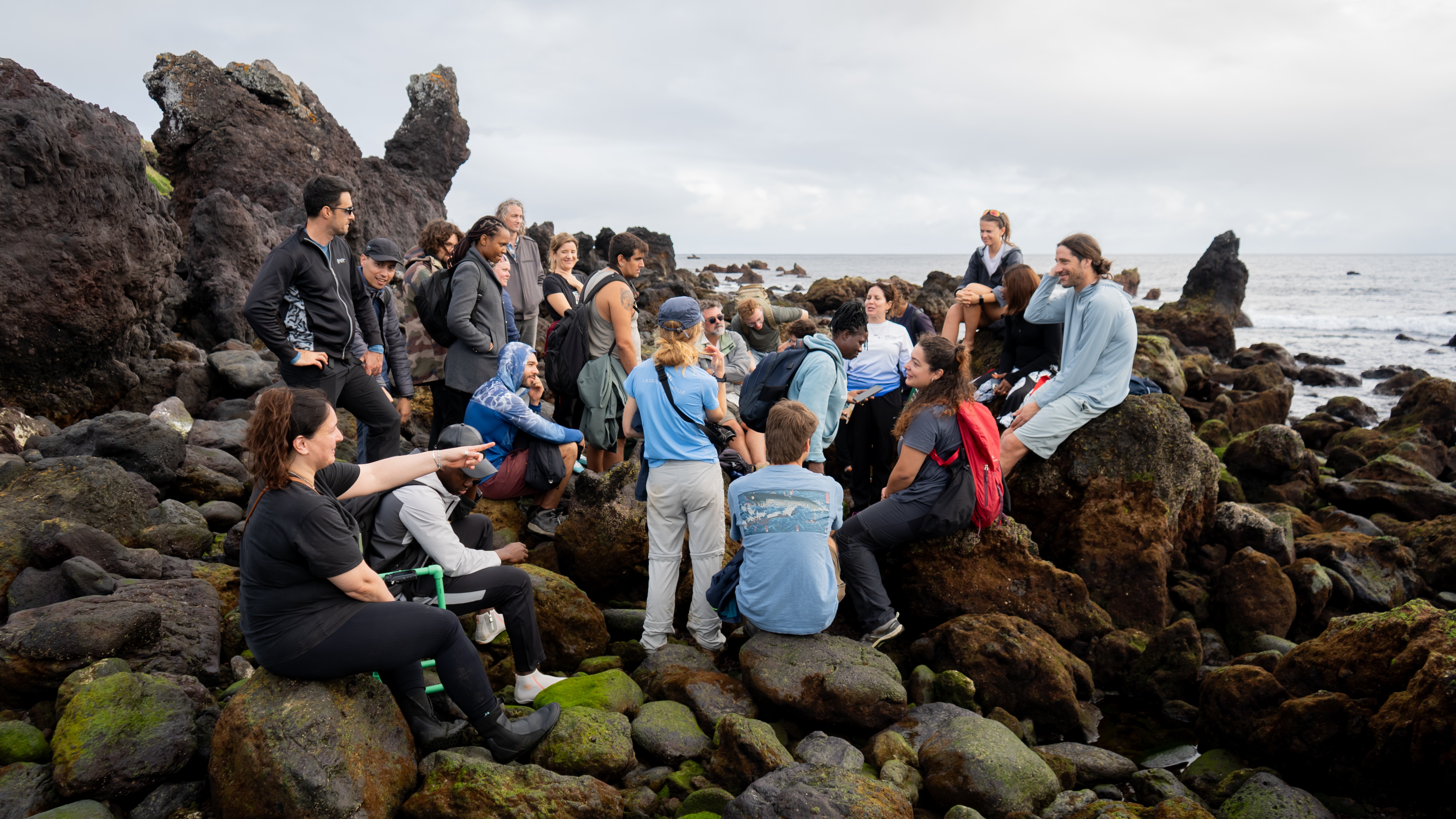
The second edition of the Enhancing Marine Biodiversity Data Collection and Publication workshop took place on Terceira Island, Azores, from 19 to 23 October, bringing together researchers, data managers and marine practitioners from Europe, Africa and the Americas. Organised by the Marine Biodiversity Observation Network (MBON) and the AIR Centre, the workshop focused on strengthening skills in marine biodiversity data collection, standardisation and publication.
Research

Small pelagic stock assessment in Angola: strengthening the science behind sustainable catches

calendar_today October 27, 2026

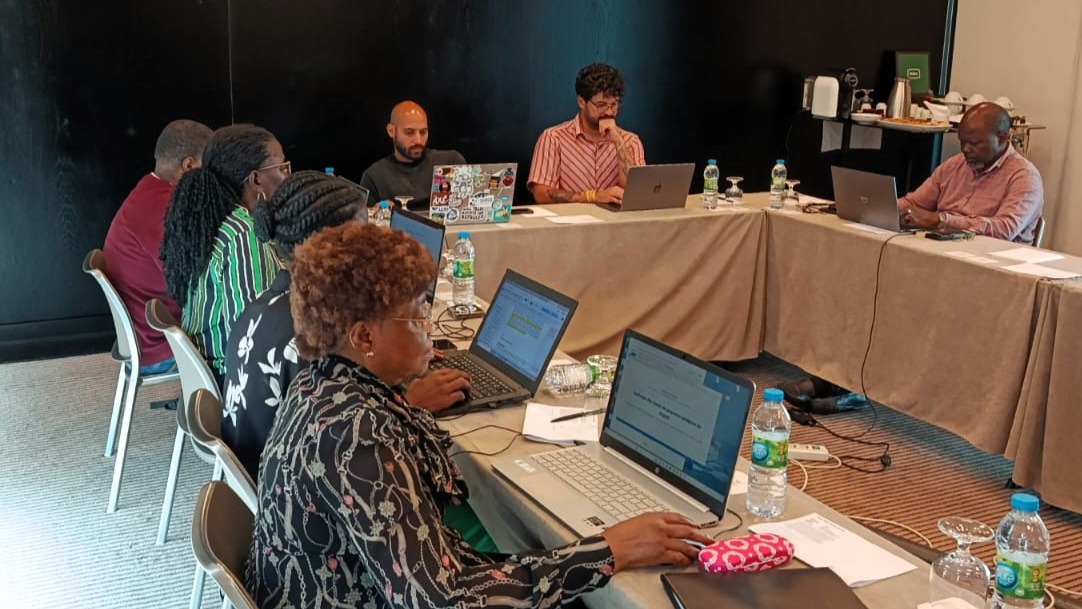
From October 19 to 23, 2026, a team from the AIR Centre returned to Luanda for a working meeting with colleagues from Angola’s National Institute of Fisheries and Marine Research (INIPM), the University of the Azores and the Technical University of Denmark (DTU). This is the second year of a partnership that supports the scientific assessment of Angola’s small pelagic fish stocks.

Collaboration

Laoshan Laboratory and AIR Centre sign MoU and formalise cooperation in marine science

calendar_today October 23, 2026

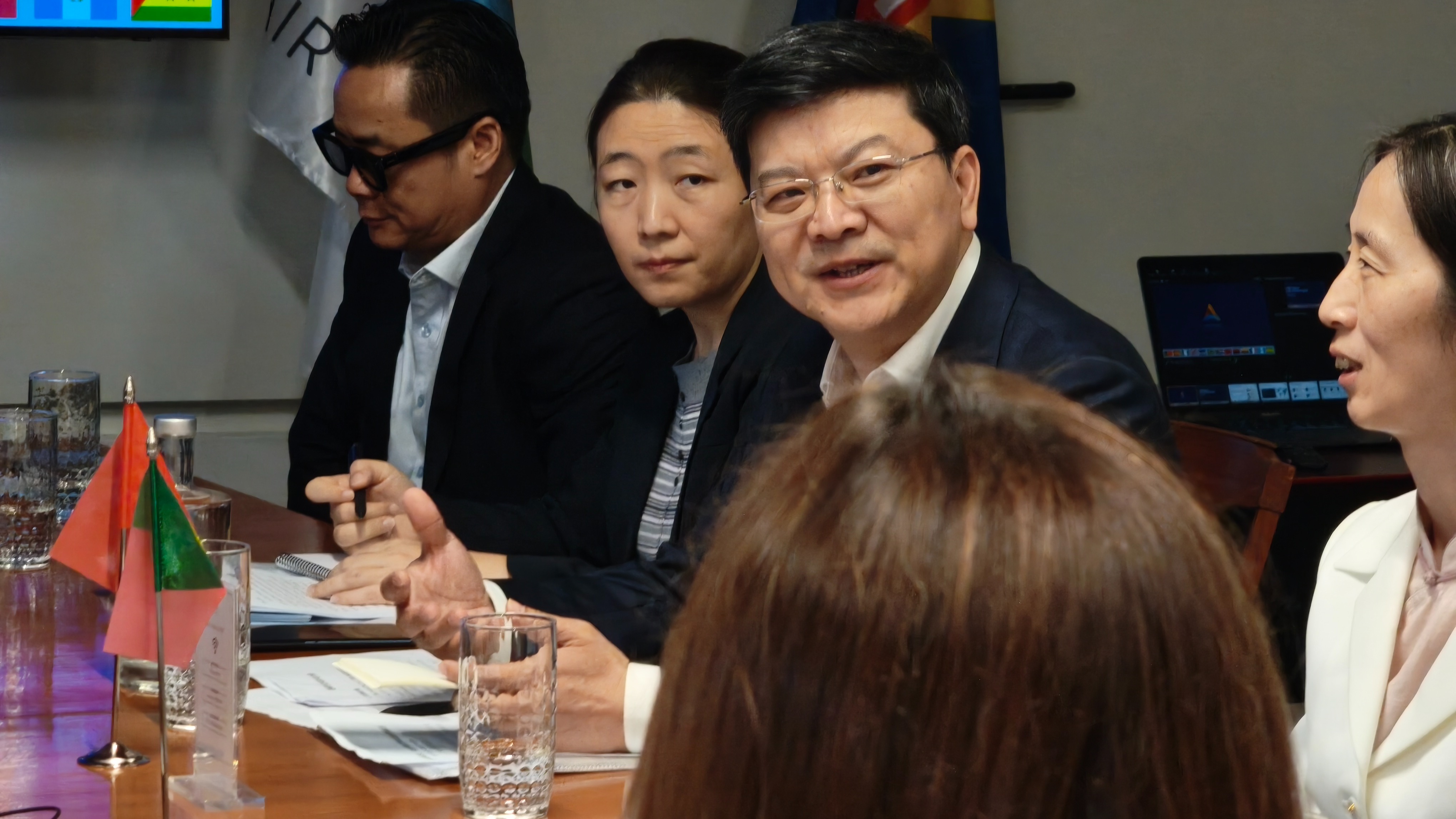
On 23 October, the AIR Centre welcomed a delegation from Laoshan Laboratory and the Embassy of the People's Republic of China in Portugal to its Lisbon headquarters for discussions on strengthening international cooperation in marine science and innovation.