
Update #1: NO<sub>2</sub> emissions in Portugal during COVID-19 outbreak

Update #1: NO<sub>2</sub> emissions in Portugal during COVID-19 outbreak

Nitrogen Dioxide (NO2) is generated by vehicles, heavy industry and power plants, which have been shut down during the coronavirus pandemic. The main effects of breathing NO2 relates to the increase of probability of respiratory problems as it inflames the lining of the lungs and reduce immunity to lung infections, causing problems like coughing, colds and bronchitis. The following images depict the timeline of NO2 emissions during the COVID-19 outbreak in Portugal and Spain, images from European satellite Copernicus Sentinel 5P using TROPOMI (Tropospheric Monitoring Instrument) .

10/3

  • Closing of museums, theaters, monuments, and sport activities in closed areas
  • Flights to Italy closed for 14 days

11/3

  • More than 1000 doctors volunteer to reinforce the national health service
  • OMS declared covid-19 as pandemic
  • Anounced that all schools will be closed in the following days

14/3

  • Spain includes drastic measures, forbidding citizens going to the street except for working, food and pharmacy

16/3 to 18/3

  • 1st death in Portugal
  • Boarder control with Spain enacted
  • Declared sate of Emergency

26/3

  • Daily air traffic at Portuguese airports dropped 87%
  • Banco de Portugal (BdP), warns about severe economic impact on growth and unemployment
  • Schools will not be returning for the ‘third period’ (summer term)

28/3

  • ‘stay at home’ policy is apparently causing flattening of the curve (of new cases needing hospital treatment)
Disclaimer: the AIR Centre is not responsible for any use that may be made of the information this report contains. Download the report #1 here.
Share this entry

Other News

Research

International Workshop in the Azores strengthens marine biodiversity data sharing

calendar_today October 28, 2026

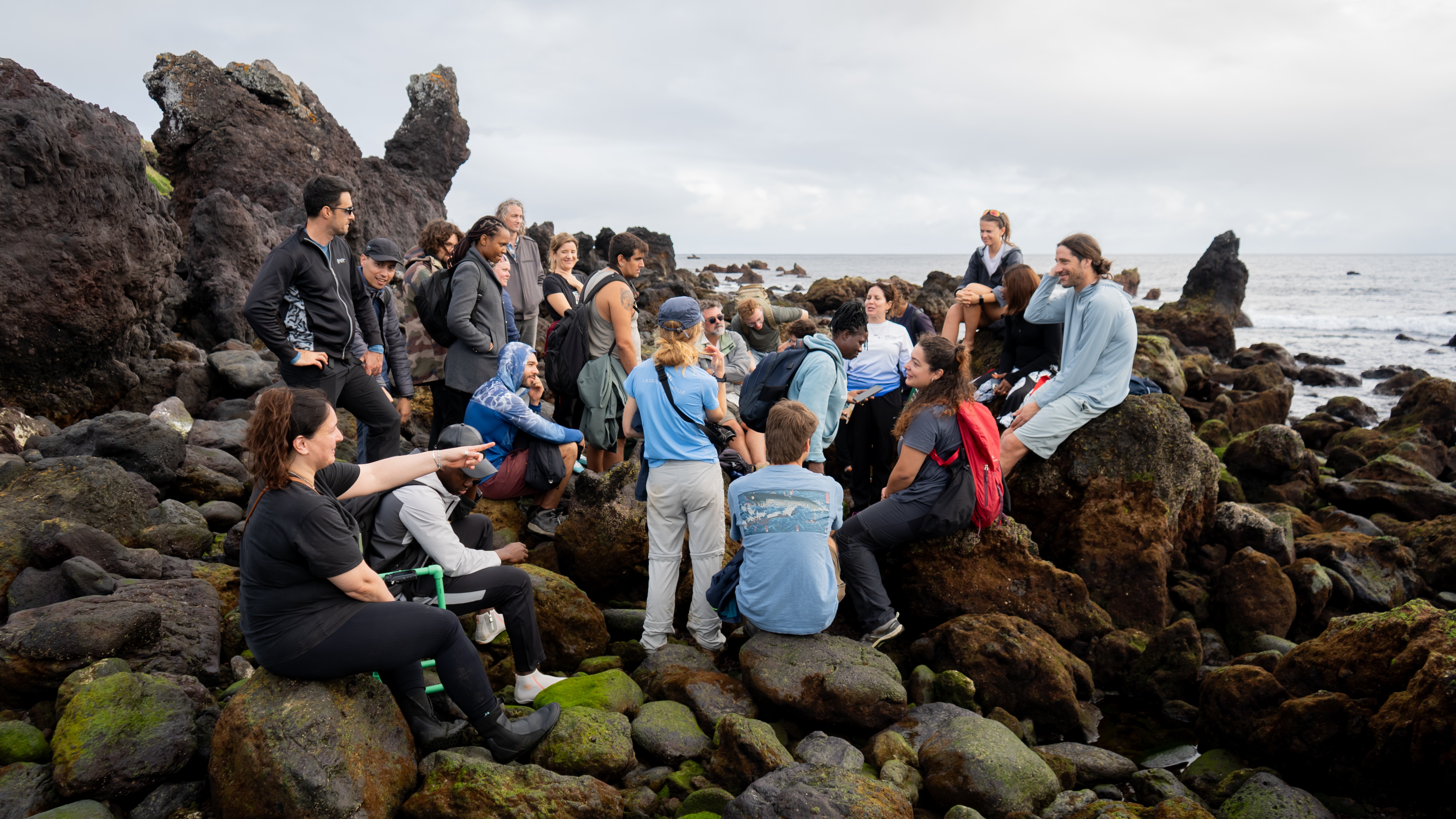
The second edition of the Enhancing Marine Biodiversity Data Collection and Publication workshop took place on Terceira Island, Azores, from 19 to 23 October, bringing together researchers, data managers and marine practitioners from Europe, Africa and the Americas. Organised by the Marine Biodiversity Observation Network (MBON) and the AIR Centre, the workshop focused on strengthening skills in marine biodiversity data collection, standardisation and publication.
Research

Small pelagic stock assessment in Angola: strengthening the science behind sustainable catches

calendar_today October 27, 2026

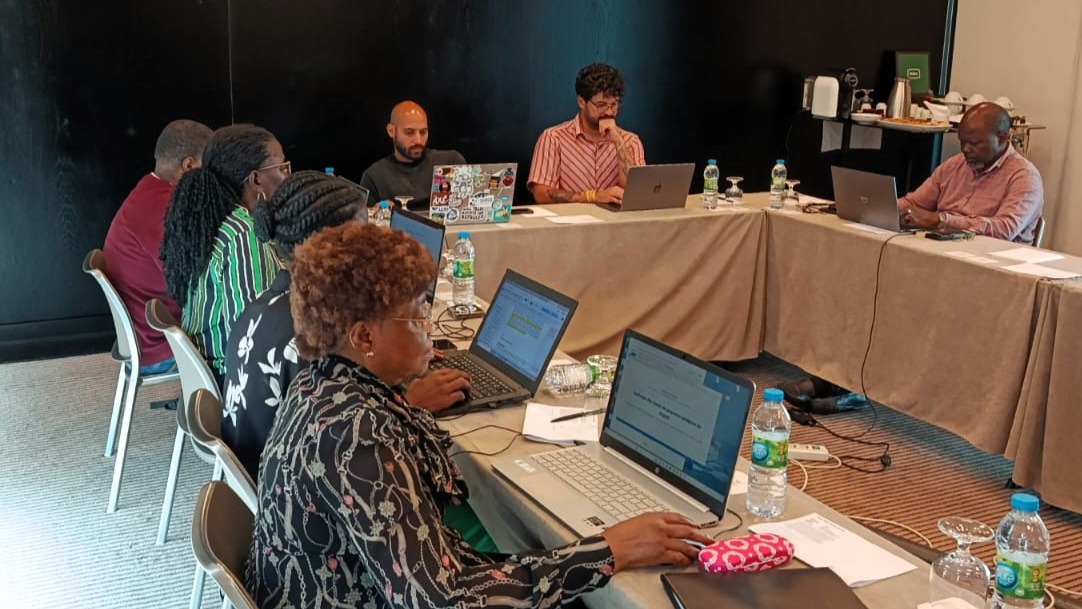
From October 19 to 23, 2026, a team from the AIR Centre returned to Luanda for a working meeting with colleagues from Angola’s National Institute of Fisheries and Marine Research (INIPM), the University of the Azores and the Technical University of Denmark (DTU). This is the second year of a partnership that supports the scientific assessment of Angola’s small pelagic fish stocks.

Collaboration

Laoshan Laboratory and AIR Centre sign MoU and formalise cooperation in marine science

calendar_today October 23, 2026

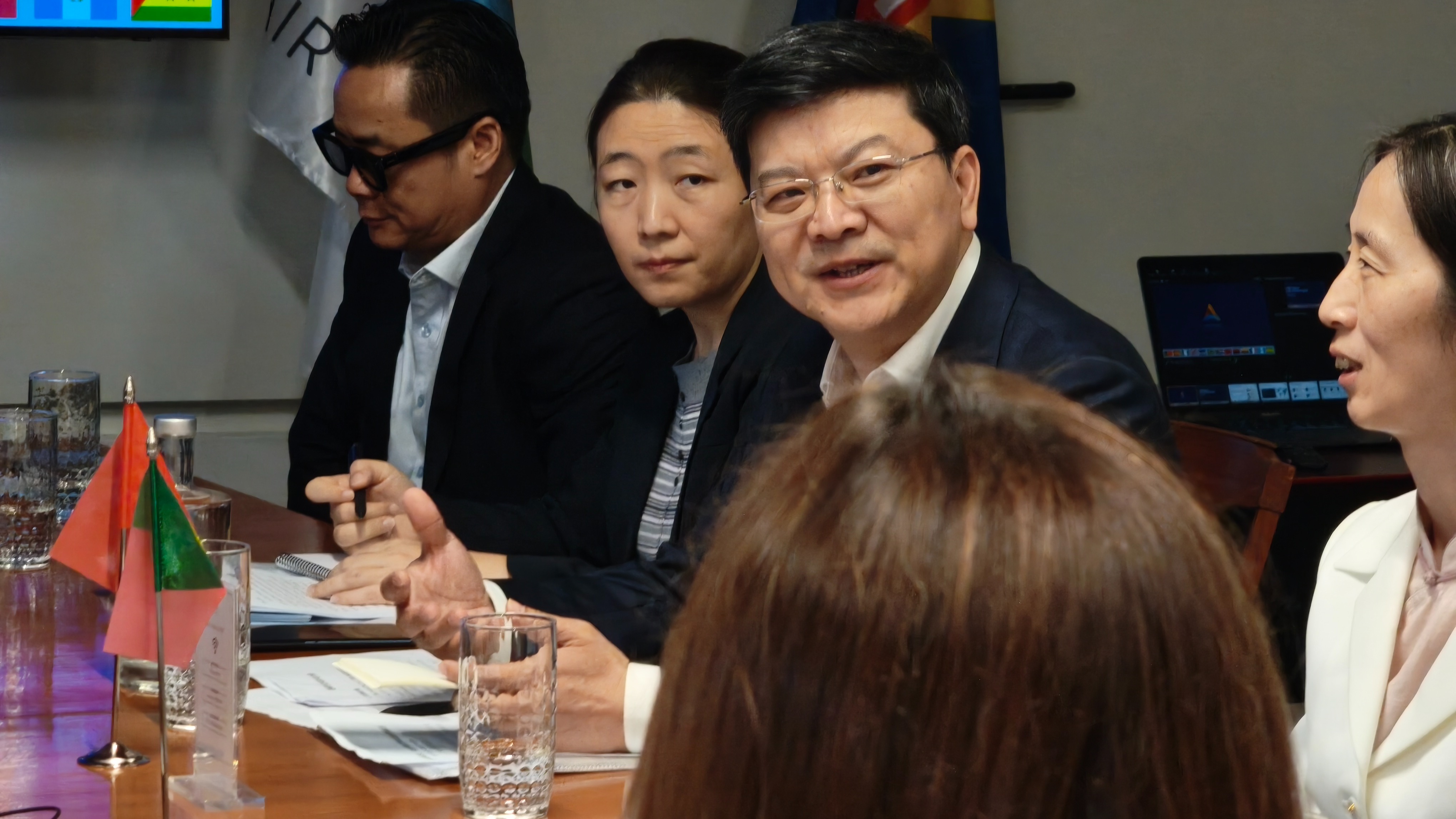
On 23 October, the AIR Centre welcomed a delegation from Laoshan Laboratory and the Embassy of the People's Republic of China in Portugal to its Lisbon headquarters for discussions on strengthening international cooperation in marine science and innovation.