New Partnership to Advance Ocean Exploration

New Partnership to Advance Ocean Exploration

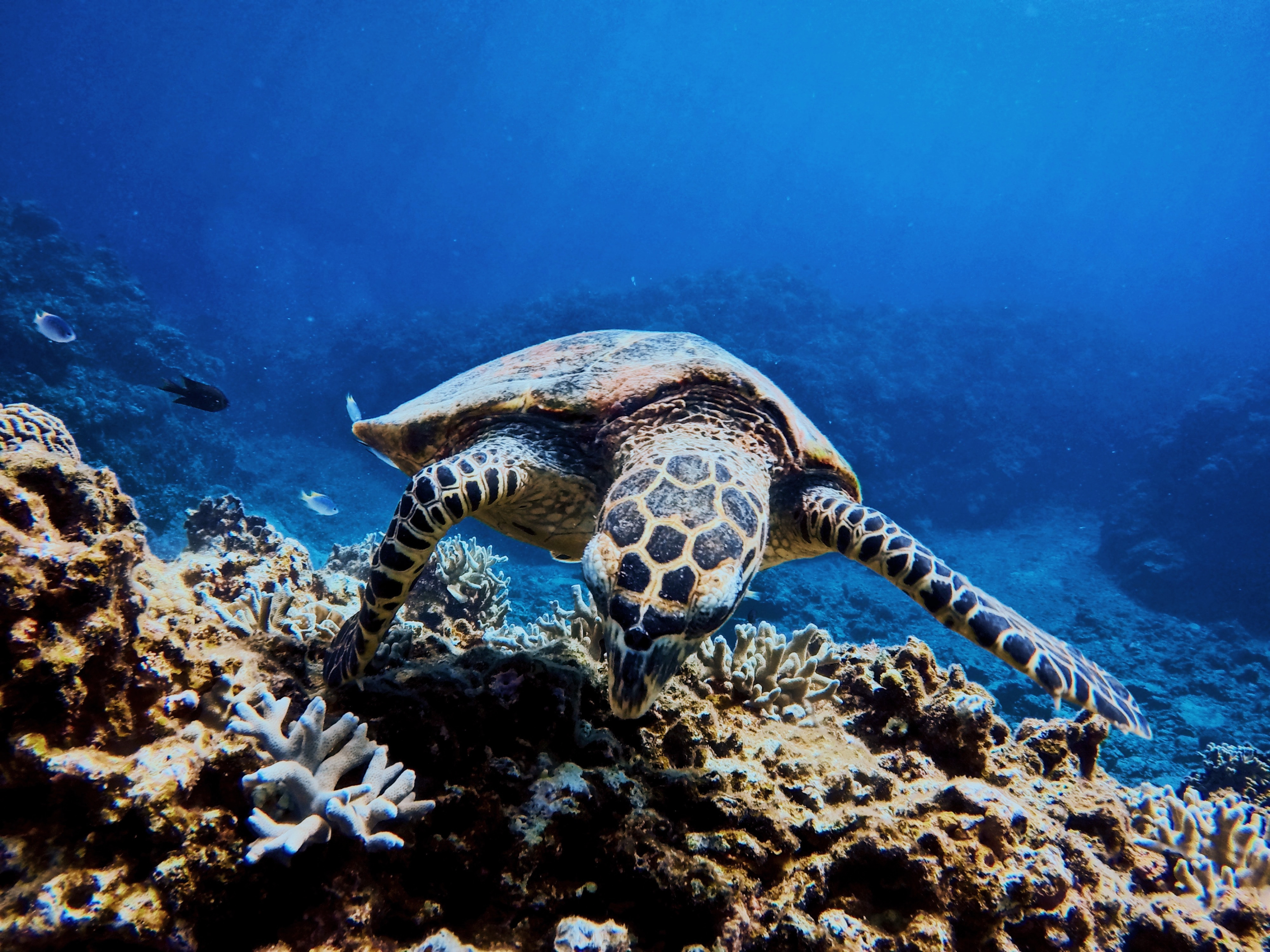
A new partnership has been announced between the Marine Biodiversity Observation Network (MBON), the Marine Life 2030 and the Nippon Foundation-GEBCO Seabed 2030 Project with the commitment to advancing ocean exploration, focused on the observation of marine life. The health of our oceans is under increasing threat due to climate change, overfishing, pollution, and habitat destruction. Integrated ocean mapping is imperative to systematically assess the state of the ocean, encompassing the diversity of marine life and ecosystems, and to detect their changes. This knowledge will provide the basis to comprehend the status of our oceans and lay the foundations to make informed policy decisions on marine biodiversity and ocean sustainability. The signed agreement highlights the need for cooperation to map both the bathymetry and biodiversity of the global ocean This cooperation must extend to building the capacity of nations and organisations involved and providing them with the best available resources and expertise. The partnership between MBON, Marine Life 2030, and Seabed 2030 exemplifies the collaborative effort underway in pursuit of a vital common goal – mapping the world’s ocean floor and protecting its ecosystems. Through collaboration, these international networks, will advance understanding and contribute to the UN Decade of Ocean Science for Sustainable Development. “MBON and Marine Life 2030 are excited to collaborate with Seabed 2030 and the international effort behind deepening our understanding of the ocean. This effort will support making informed decisions about ocean sustainability and conservation for the benefit of society and future generations”, said Joana Soares, Executive Secretary of the MBON. The Marine Biodiversity Observation Network (MBON) is a thematic node of the Group on Earth Observations Biodiversity Observation Network (GEO BON), which facilitates networking amongst the marine biodiversity community to improve standards and best practices in the collection, management, and open publication of marine biodiversity data. The Marine Life 2030 programme helps to network different partners to achieve the goals of the UN Ocean Decade, especially those relevant to marine life and life in general. and its community of practice is coordinated by MBON. The Nippon Foundation-GEBCO Seabed 2030 Project is a collaborative project between The Nippon Foundation and GEBCO, which coordinates and oversees the sourcing and compilation of bathymetric data from different parts of the world’s ocean through its five centres into the freely available GEBCO Grid.
Share this entry

Other News

Collaboration

Space Agencies shape regional priorities at the II Ibero-American Meeting in Madrid

calendar_today September 17, 2026

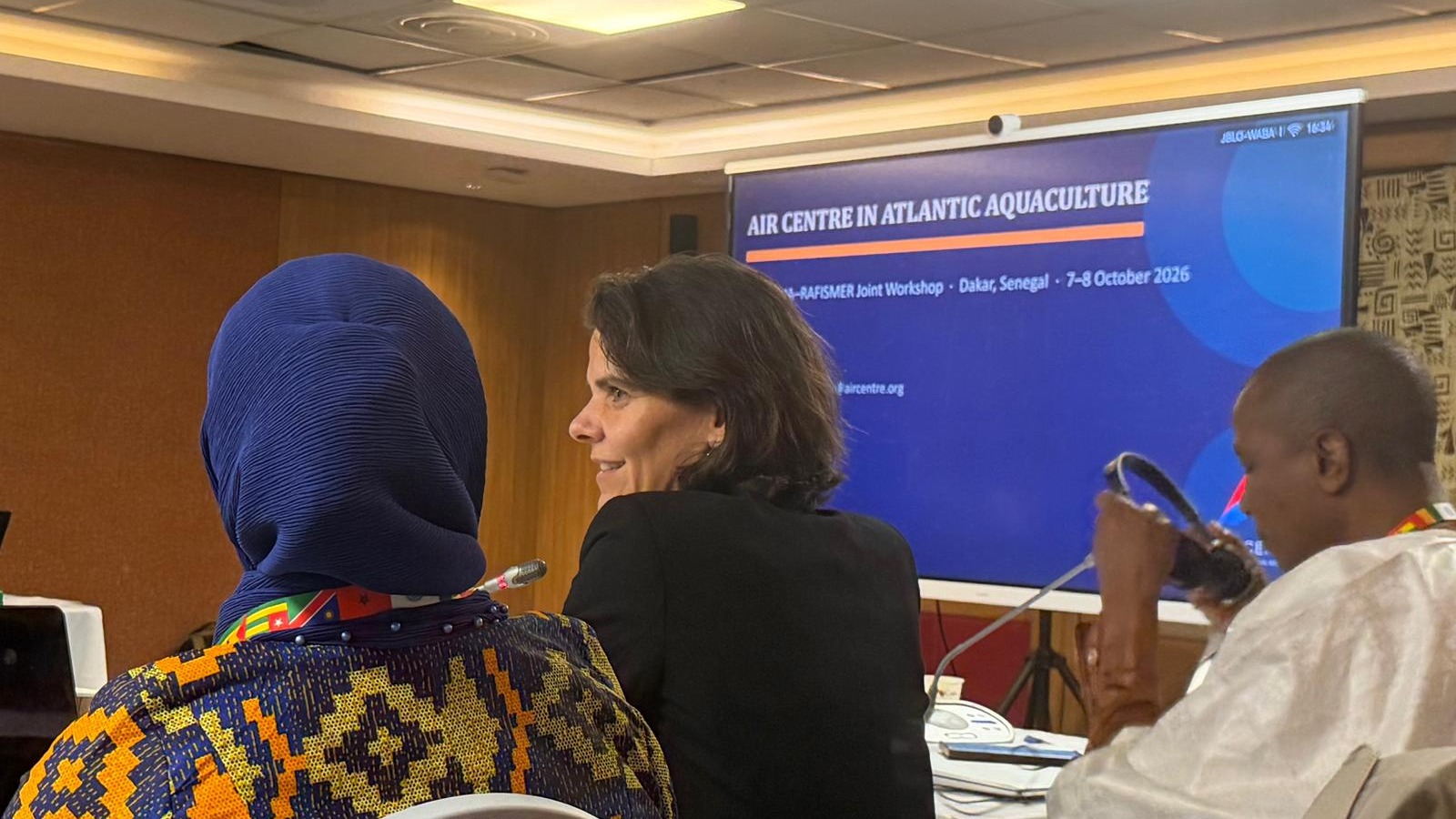
The AIR Centre took part in the II Ibero-American Space Agencies Meeting in Madrid, organised by the Spanish Space Agency on 15 and 16 September. AIR Centre’s Deputy Executive Director, Mafalda Carapuço, represented the organisation alongside heads of space agencies, universities, research centres and industry from across the Ibero-American community.

Collaboration

ATLANTICO_SARG project officially launched to tackle Sargassum impacts through science and collaboration

calendar_today September 11, 2026

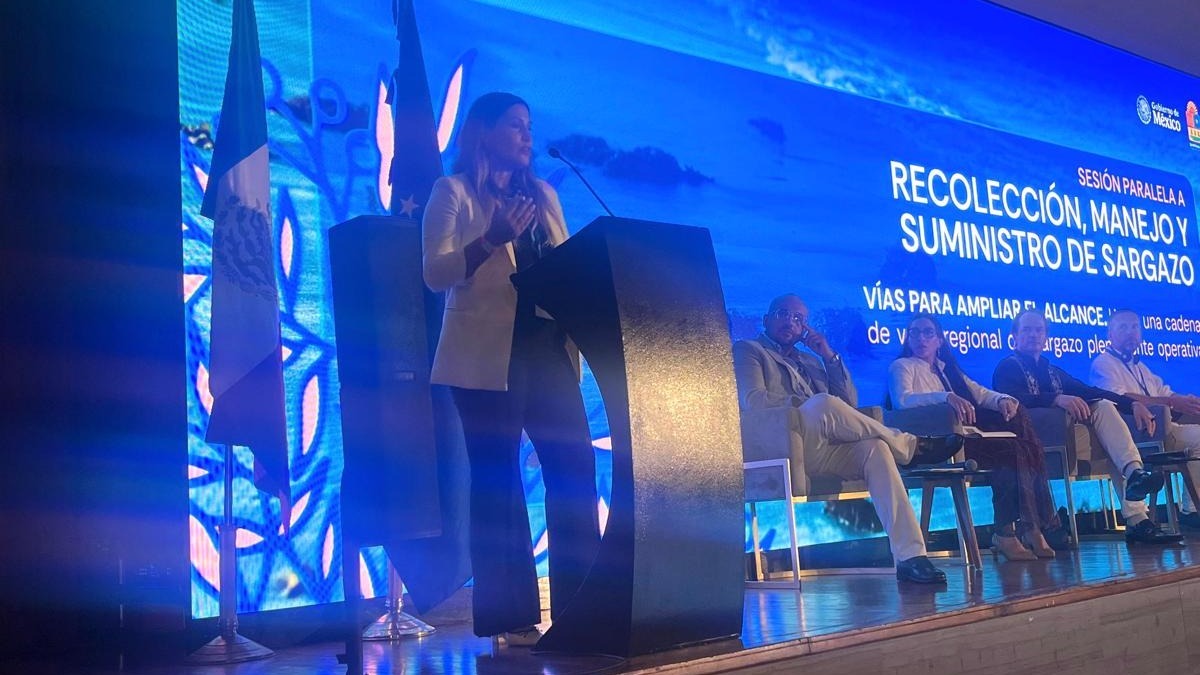
On September 10, partners from AIR Centre (Portugal), UNAM (Mexico) and IMar (Cabo Verde) held the kick-off meeting for ATLANTICO_SARG, a new triangular cooperation project funded under the second Call of the SEGIB / Camões, I.P. Triangular Cooperation Fund. Held online, the meeting brougtht together researchers and representatives from all three partner institutions to address the growing impact of Sargassum seaweed flooding on Cabo Verde's coasts.

Collaboration

Australian Ambassador strengthens scientific and diplomatic engagement during visit to the AIR Centre

calendar_today September 11, 2026

The Australian Ambassador to Portugal, Dr. Helen Cheney, who also serves as Ambassador to Cabo Verde, Guinea Bissau and São Tomé and Príncipe, visited the AIR Centre on Terceira Island as part of her official programme in the Azores. The visit emphasized scientific cooperation and the growing relevance of the Atlantic in Australia’s international engagement.