Traducción automática: Este texto ha sido traducido automáticamente y puede contener imprecisiones. En caso de duda, consulte la versión en inglés.
Safeguarding Whales and the Ocean Ecosystem

Safeguarding Whales and the Ocean Ecosystem

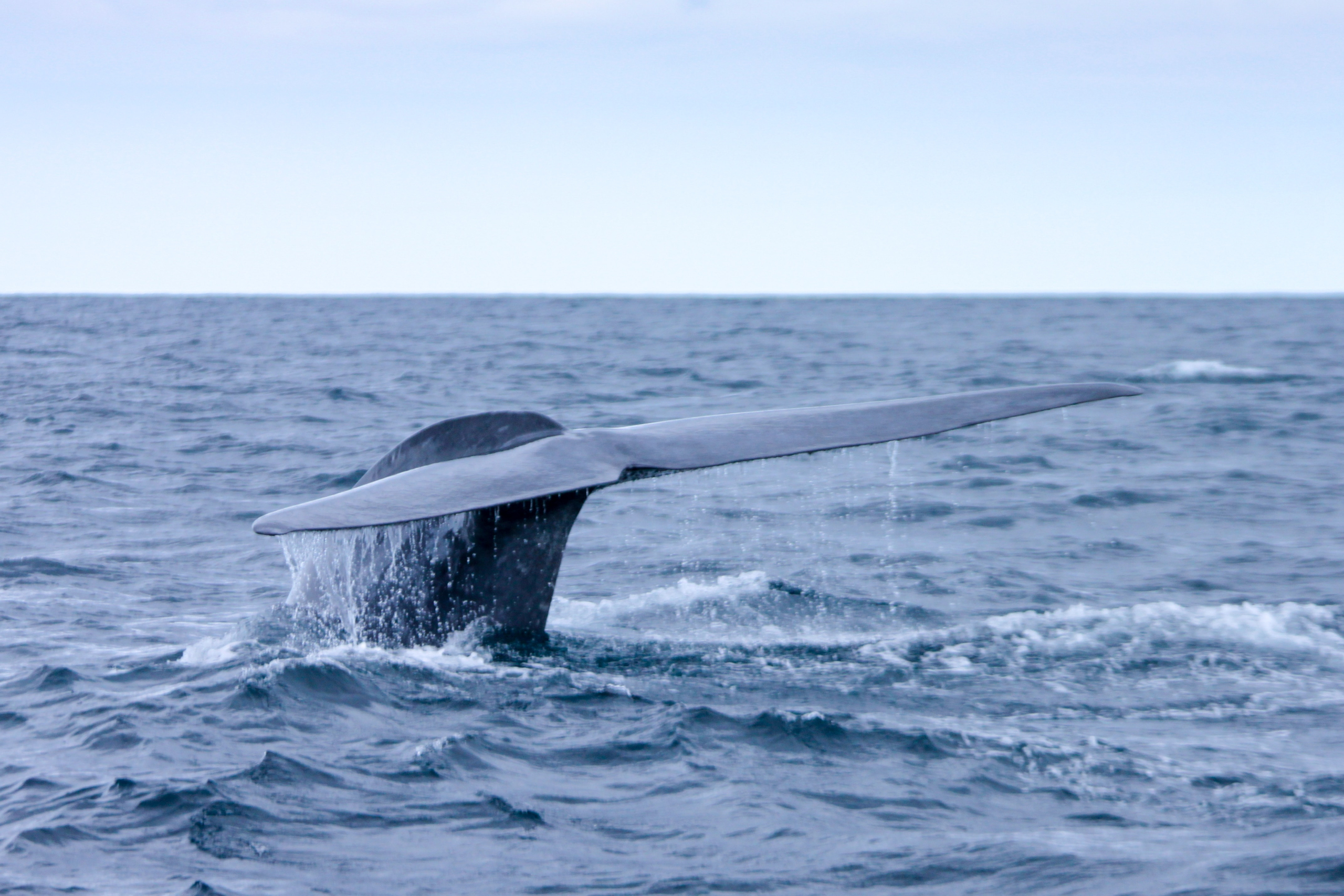
Collisions between whales and ships, a pressing issue in the Atlantic Ocean, is the focus of a new initiative led by The Centre for Marine and Environmental Sciences/Regional Agency for the Development of Research, Technology and Innovation (Mare-Madeira/ARDITI), which aims to deploy cutting-edge technologies that promise to significantly reduce these incidents. By reducing collisions between ships and whales, the Atlantic Whale Deal project aims to bolster carbon sequestration, thus helping in the mitigation of the effects of global warming. Moreover, this mission takes on added urgency in the face of a 85% decline in whale biomass due to industrialised whaling. The project also addresses our limited knowledge of whale distribution, encompassing their feeding and breeding areas, as well as migration routes. With 15 partners spanning various countries, the project will undergo rigorous pilot testing in the Canary Islands, Azores, and Ireland. Whales play a pivotal role in climate regulation. Research by the International Monetary Fund highlights that each large whale sequesters an average of 33 tons of carbon dioxide (CO2) — a staggering contribution compared to the 2.2 tons captured by plants over a century. Known for their extensive migrations, large whales render localized challenges a global concern. The Atlantic Whale Deal leverages collision risk maps and statistical models to predict the likelihood of whale collisions with various types of vessels throughout the Atlantic. This data is invaluable, not just for governments but also for the maritime industry, as it enables the implementation of measures to safeguard these majestic creatures and establish safer navigation routes. Recent research reveals 583 reported collisions between 1820 and 2019 in the Atlantic. Yet, experts caution that the actual numbers may be far higher, given the vastness of the ocean, the remoteness of these occurrences, and underreporting. Via Jornal Económico
Share this entry

Other News

Event

La Cumbre Científica Portuguesa «Innovación 2026» moviliza a la comunidad investigadora de Portugal en torno a las prioridades futuras

calendar_today July 17, 2026

El Centro AIR participó en la Cumbre Científica Portuguesa «Innovación 2026», celebrada los días 15 y 16 de julio en el Centro de Convenciones de Lisboa, que supuso el primer gran evento organizado por la recién creada Agencia de Investigación e Innovación de Portugal (AI²).

Innovation

Brasil y Portugal refuerzan su cooperación con la inauguración de la oficina de la Fiocruz en Lisboa

calendar_today July 16, 2026

El 15 de julio de 2026, el Centro AIR participó en la visita oficial del ministro de Sanidad de Brasil, Alexandre Padilha, con motivo de la inauguración oficial de la oficina de la Fundação Oswaldo Cruz (Fiocruz) en Lisboa. La nueva oficina está situada en el mismo edificio que alberga también a ApexBrasil, Embratur y Sebrae, lo que refuerza la presencia institucional de Brasil en Portugal y amplía las oportunidades de cooperación bilateral.

Collaboration

Meeting with the Hon Consul‑General of the Kingdom of Tonga strengthens dialogue on ocean science and climate cooperation

calendar_today July 9, 2026

On 2 July, the AIR Centre hosted a meeting at its Lisbon office with the Comendador Anthony Bailey, Honourable Consul-General of His Majesty The King of Tonga to the Portuguese Republic. The discussion brought together AIR Centre Executive Director Miguel Miranda, Deputy Executive Director Mafalda Carapuço, and researcher Ana Faria, marking the beginning of a promising dialogue between the two nations.