The second edition of the Global Workshop on Earth Observation with Julia 2024 (JuliaEO 2024) took place in Terceira Island, from the 8th to the 12th January, focused on applying the Julia programming language in Earth Observation.
Some of the greatest experts in the Julia language attended the workshop, which started with a project kick-off, between the AIR Centre and the UNCTAD, and counted with plenty of thorough and dynamic sessions. The topics covered ranged from introductions to various aspects of Julia, to different models useful for EO, hands-on sessions, and a full day dedicated to a hackthon to find a solution for a problem detected in a PhD from University of Azores.
Aiming to train scientists to use this specific language, this is the only global event dedicated to Earth Observation using Julia. The advantage of the language is the fact that it’s quick and user-friendly, making it easier to learn and later apply on projects and research, allowing scientists to handle the process until the final version.
“
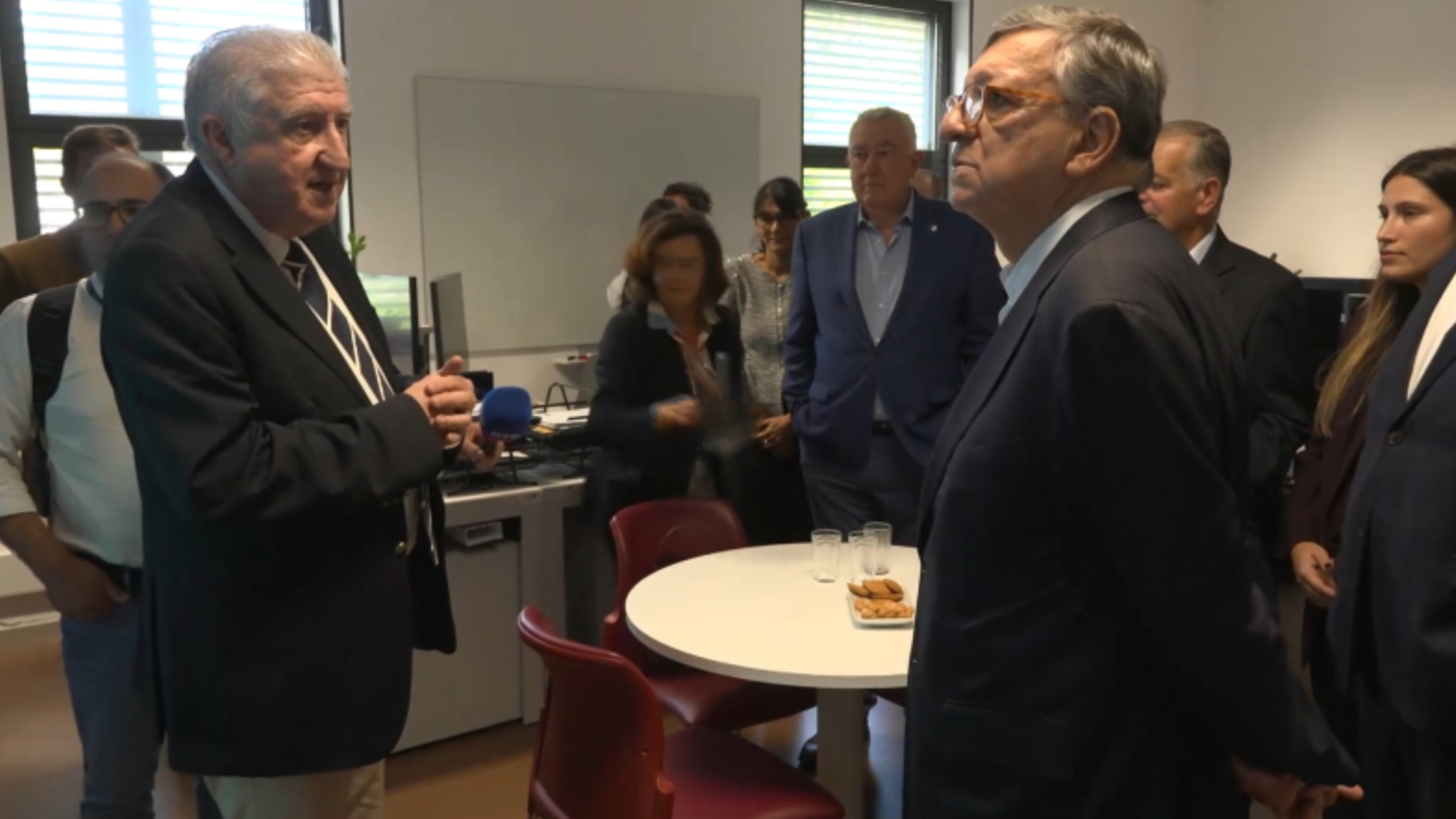
It's the only event in the world dedicated to Earth Observation with the Julia language. So a lot of people have joined. We have a room for 44 people, with no further capacity, although there were more individuals interested. And online we have around 200 spectators. This gives plenty of projection for the Azores", stated João Pinelo Silva, AIR Centre's Head of Data Science, Cloud Infrastructure, and Development, in an interview for Lusa.
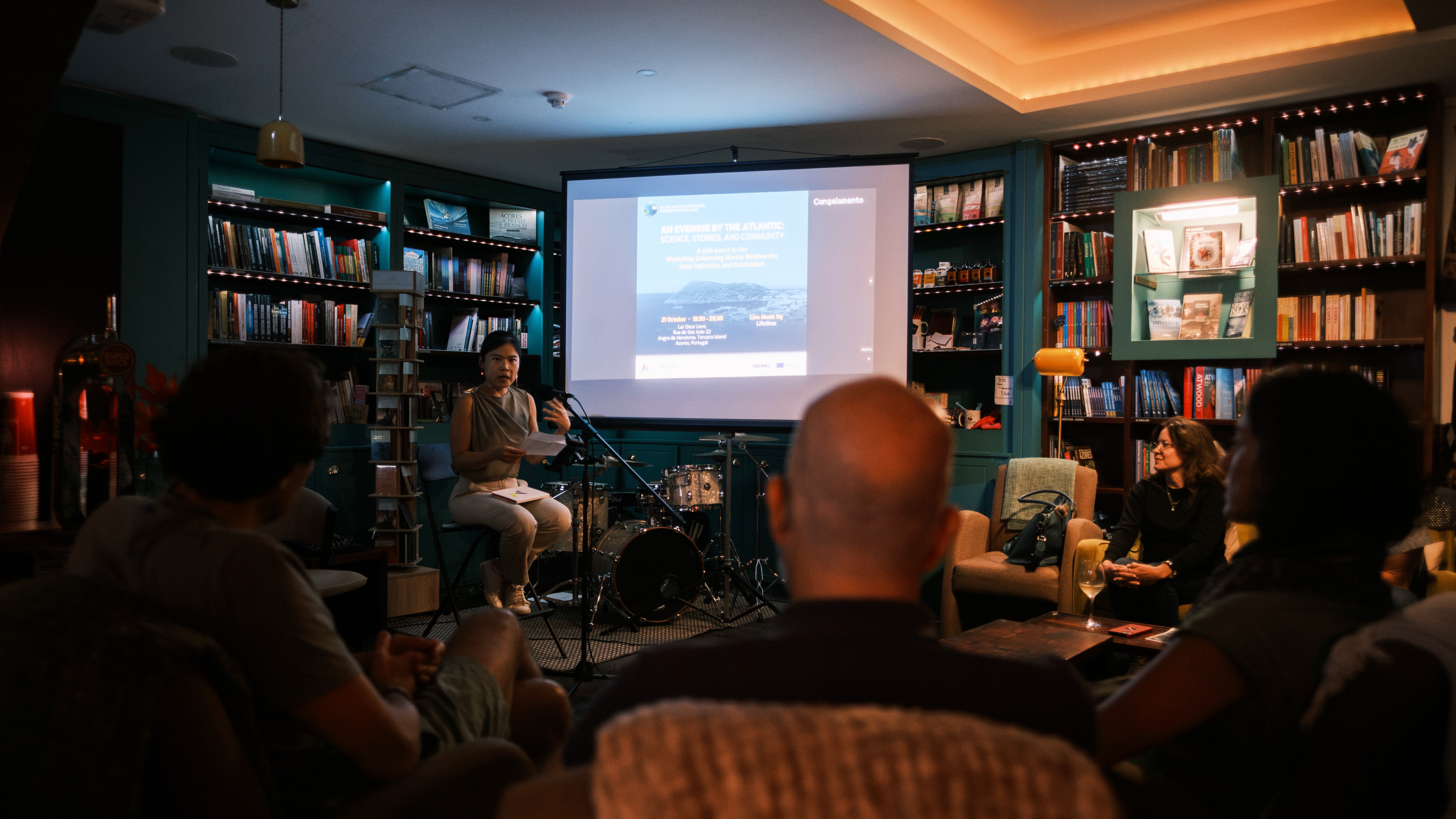
Attending the event, on-site, were 44 people, and a further 200 participants watched the sessions online. Besides the AIR Centre team, researchers from the universities of Azores and Algarve also participated, alongside scientists from universities outside Portugal, like the United States of America, Belgium, Denmark, Poland and Brazil. The United Nations, Portuguese Space Agency and South African Space Agency were represented as well.
The open-source Julia language was created at the Massachusetts Institute of Technology (MIT), first released in 2012, and reached the v1.0 milestone in 2018. Julia has a vocation for high-performance scientific computing, making it today’s ideal choice to work on resource-intensive datasets such as the Earth Observation ones.
More info on the event
here

 Research