West Antarctic Ice Sheet Melting

West Antarctic Ice Sheet Melting

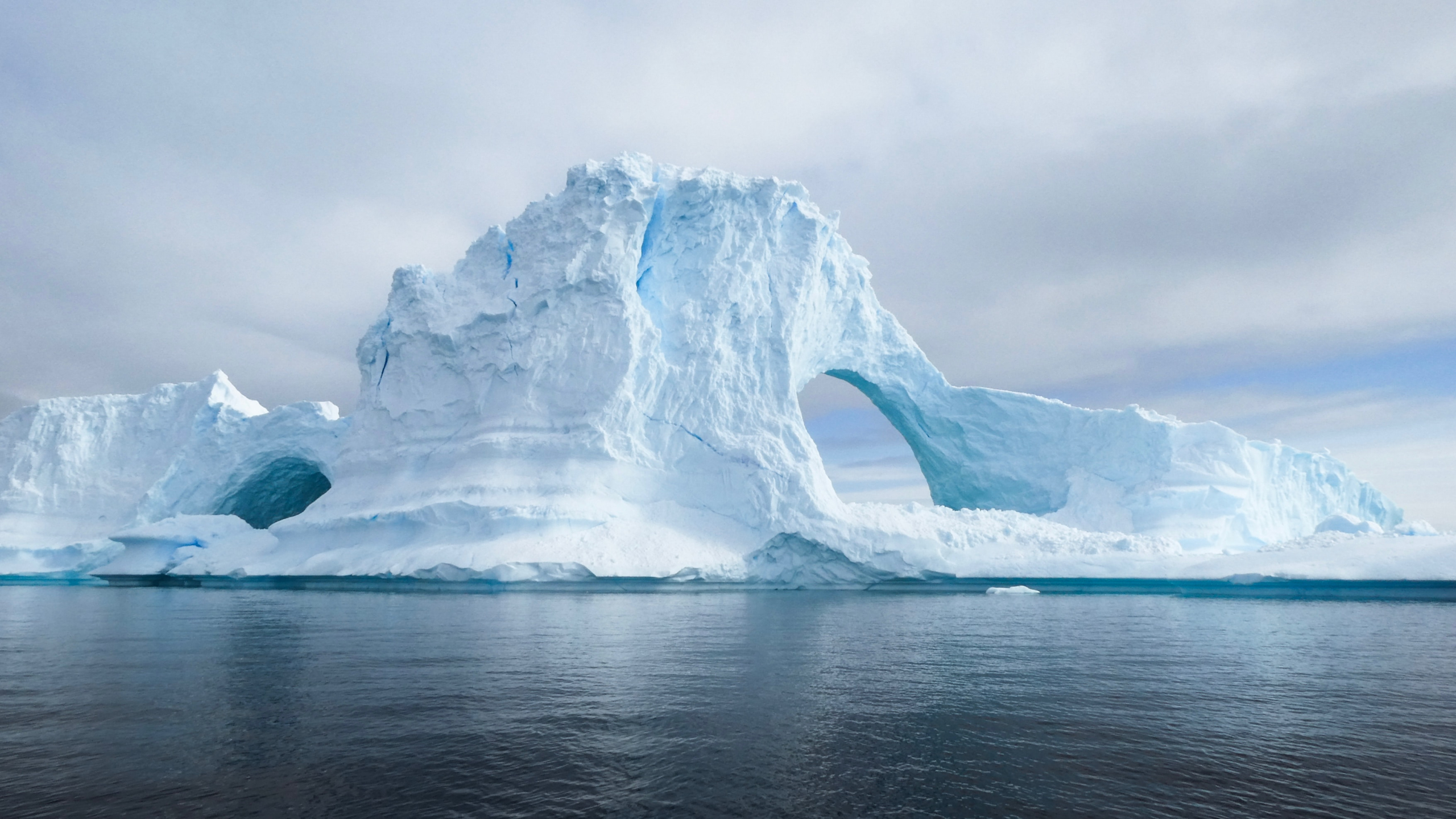
Through recent simulations, British Antarctic Survey scientists predict that the melting of the West Antarctic ice sheet will be nearer irreversible, contributing to a rise in global sea levels by up to five meters. Using the UK’s national supercomputer to study how the West Antarctic Ice Sheet is melting, the research indicates that even if we limit global temperature rise to 1.5°C, it will melt three times faster than it did during the 20th century. The British Antarctic Survey warns that we've lost control over the situation and that preserving the ice sheet's historical state is no longer possible. This ice sheet is a significant contributor to rising sea levels and could raise global sea levels by up to five meters. The research presents different scenarios for the 21st century, showing that even under the most ambitious emissions reduction targets, the ice sheet will continue to melt significantly. Despite these findings, the study emphasises the importance of continuing efforts to reduce fossil fuel dependence to slow down long-term sea level rise, as slower changes are easier to adapt to. It is a stark reminder of the urgency of climate action, and the need for immediate global cooperation regarding climate change. Via: Science Daily
Share this entry

Other News

Collaboration

Space Agencies shape regional priorities at the II Ibero-American Meeting in Madrid

calendar_today September 17, 2026

The AIR Centre took part in the II Ibero-American Space Agencies Meeting in Madrid, organised by the Spanish Space Agency on 15 and 16 September. AIR Centre’s Deputy Executive Director, Mafalda Carapuço, represented the organisation alongside heads of space agencies, universities, research centres and industry from across the Ibero-American community.

Collaboration

ATLANTICO_SARG project officially launched to tackle Sargassum impacts through science and collaboration

calendar_today September 11, 2026

On September 10, partners from AIR Centre (Portugal), UNAM (Mexico) and IMar (Cabo Verde) held the kick-off meeting for ATLANTICO_SARG, a new triangular cooperation project funded under the second Call of the SEGIB / Camões, I.P. Triangular Cooperation Fund. Held online, the meeting brougtht together researchers and representatives from all three partner institutions to address the growing impact of Sargassum seaweed flooding on Cabo Verde's coasts.

Collaboration

Australian Ambassador strengthens scientific and diplomatic engagement during visit to the AIR Centre

calendar_today September 11, 2026

The Australian Ambassador to Portugal, Dr. Helen Cheney, who also serves as Ambassador to Cabo Verde, Guinea Bissau and São Tomé and Príncipe, visited the AIR Centre on Terceira Island as part of her official programme in the Azores. The visit emphasized scientific cooperation and the growing relevance of the Atlantic in Australia’s international engagement.