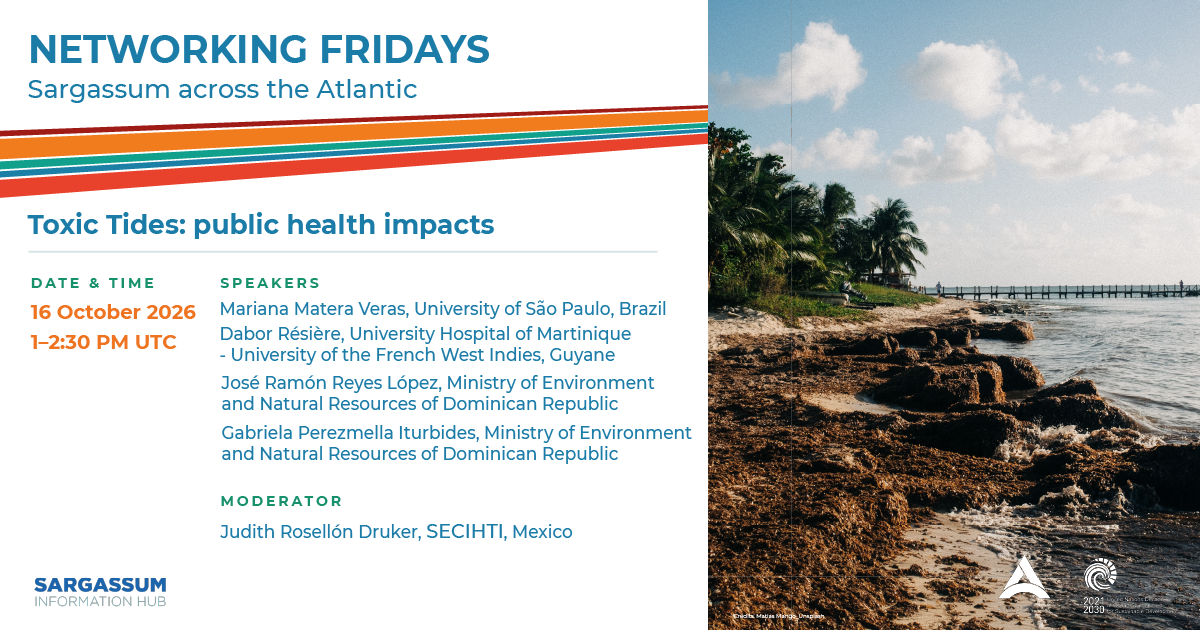
Networking Fridays
Toxic Tides: public health impacts
Data
October 16, 2026, 12:00 PM - 1:30 PM UTC
AIR Centre Networking Fridays
Mais informações sobre a série de Webinars aquiVer a Gravação
Ver no YouTube ↗Networking Fridays on Sargassum Across the Atlantic is a five-episode series recurring cross-Atlantic dialogue connecting researchers, environmental managers, health professionals, policymakers, entrepreneurs, and community representatives working on the sargassum crisis. Each session pairs regional practitioners dealing with sargassum on the ground with specialists whose expertise can directly inform local responses, building not just knowledge transfer, but lasting cross-Atlantic partnerships.
When sargassum decomposes on beaches, it releases hydrogen sulfide (H₂S) and ammonia at concentrations that trigger acute neurological, respiratory, and cardiovascular symptoms. Chronic low-level exposure among beach workers, residents, and seafood consumers raises additional concerns around arsenic and heavy metal contamination. This session brings together clinicians, toxicologists, and environmental health specialists to map what is known — and what urgently needs to be learned — about sargassum's health burden across the Atlantic.
Programa · UTC
Moderadores
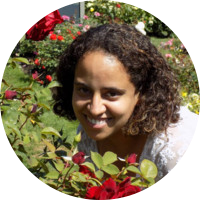
Judith Rosellón Druker
SECIHTI, Mexico
Judith completed her undergraduate studies with Summa Cum Laude in Biology at the Faculty of Sciences of the National Autonomous University of Mexico (UNAM). She developed her thesis on marine microbiology. She completed her PhD studies in Marine Sciences and Technology at the University of Massachusetts (UMass) where she focused on the description of benthonic populations on the coasts of New England and the evaluation of direct and indirect effects of marine protected areas on these populations. Later she took a postdoctoral position at the University of Alaska (UAF) where she specialized in integrated ecosystem assessments and socio-ecological systems. She also studied government management and public policies at the Center for Economic Research and Teaching, A.C. (CIDE) in Mexico. She currently works at the Ministry of Science, Humanities, Technology and Innovation (Secihti) under the Investigadores por México program. Her work focuses on research and the development of inter-institutional actions to improve the understanding and management of the sargassum phenomenon along the Mexican coast.
Oradores
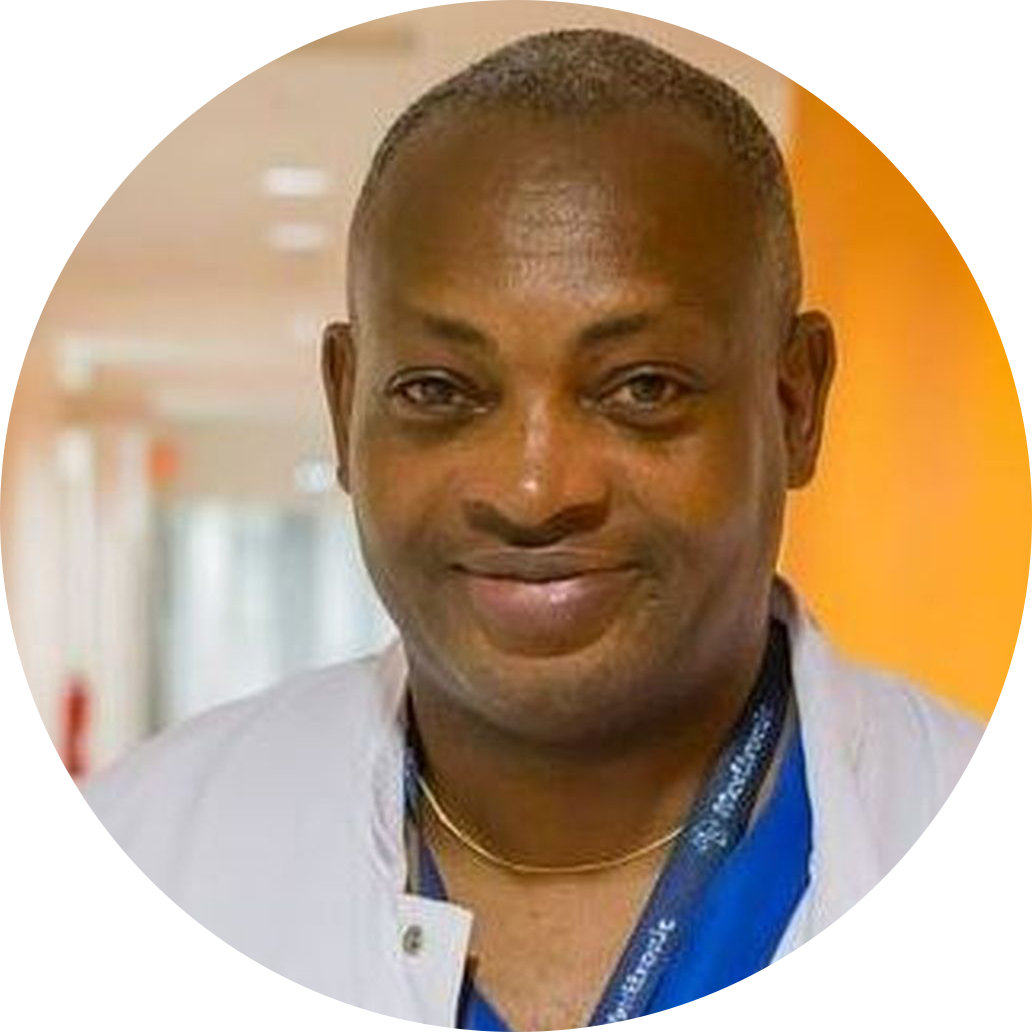
Dabor Résière
University Hospital of Martinique - University of the French West Indies
Prof. Dabor Résière is a toxicologist and critical care physician at the University Hospital of Martinique (CHU de Martinique), and one of the leading clinical voices on the health impacts of sargassum in the Caribbean. His research focuses on the effects of hydrogen sulphide and other gases released by decomposing sargassum, including respiratory, cardiovascular, neurological, mental health, and pregnancy-related outcomes, and he led the Sargacare study on exposed populations in Martinique. He has published widely on sargassum as an emerging public health concern, and since April 2025 he has coordinated Martinique's Independent Expert Committee on Sargassum, set up by the Regional Health Agency (ARS) and the Territorial Collectivity of Martinique.
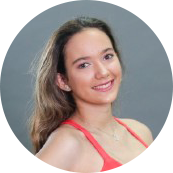
Gabriela Perezmella Iturbides
Ministry of Environment and Natural Resources, Dominican Republic
Gabriela Perezmella Iturbides is an Environmental Engineer and environmental policy professional with experience in climate change, coastal and marine resource management, and international cooperation. She currently works with the Vice Ministry of Coastal and Marine Resources of the Dominican Republic's Ministry of Environment and Natural Resources, where she supports international affairs, technical coordination, and initiatives on sargassum management and marine environmental protection. Her earlier public-sector experience includes work at the Vice Ministry of Climate Change and Sustainability and as an advisor to the Co-Chair of the Green Climate Fund (GCF), where she gained experience in international climate finance and multilateral environmental processes. Combining a technical background with expertise in public policy and institutional relations, she has taken part in regional and international initiatives on sustainable ocean management, climate action and biodiversity conservation. A keen hiker and scuba diver, she brings a strong personal commitment to protecting marine ecosystems.
José Ramón Reyes López
Ministry of Environment and Natural Resources, Dominican Republic
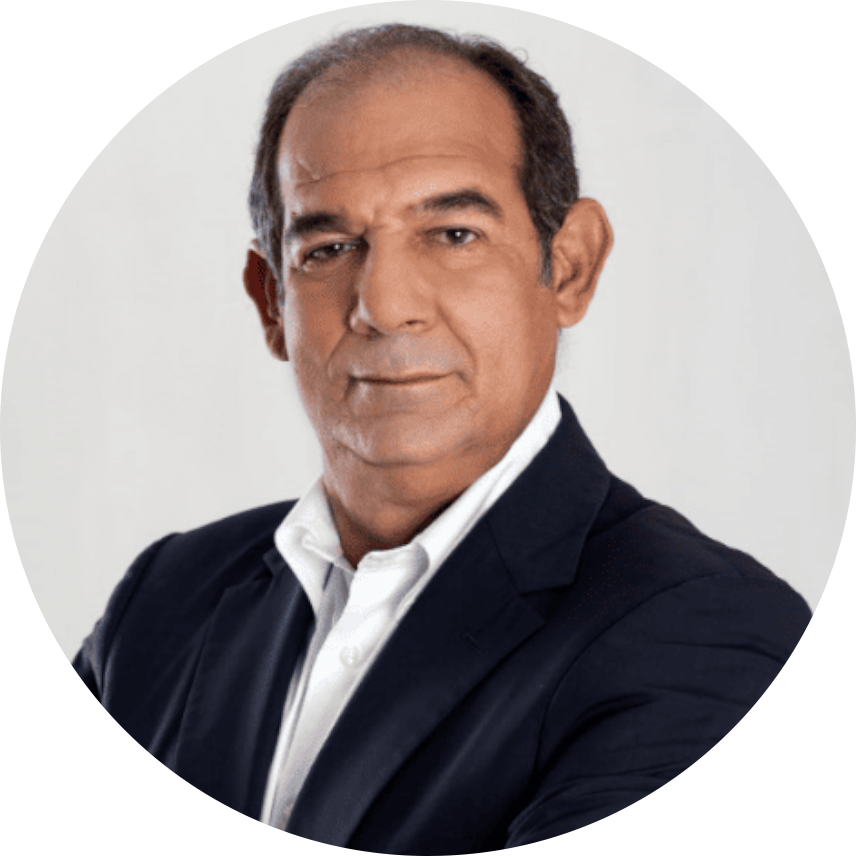
José Ramón Reyes López is a Dominican lawyer and marketing professional who has served as Vice Minister of Coastal and Marine Resources at the Dominican Republic's Ministry of Environment and Natural Resources since 2020. He holds a degree in Marketing from Universidad APEC and a Law degree from Universidad del Caribe (UNICARIBE), and began his career in the private sector. As Vice Minister, he has championed the Sectoral Law on the Coastal-Marine Zone and the "Dominican Republic 30x30" initiative, which expanded the country's marine protected areas from 10.8% to 30.8%. He promoted the creation of the national Sargassum Cabinet (Decree No. 379-23) to address the impacts of sargassum influxes, and leads the national Mangrove Restoration and Conservation Program. Internationally, he heads the Dominican delegations to the negotiations on a global plastics treaty and to the Our Ocean Conference, and represents the country at the International Whaling Commission.
Mariana Matera Veras
University of São Paulo, Brazil
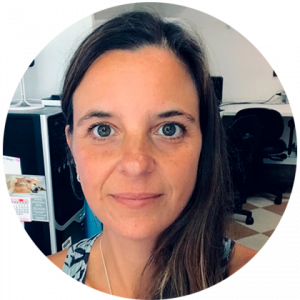
Mariana Matera Veras is a biologist and coordinates the Laboratory of Environmental Pathology at the University of São Paulo's Faculty of Medicine.
Her research covers environmental and experimental pathology, air pollution and human health, biomonitoring, and the toxicity of environmental contaminants such as microplastics and sargassum. She led a project funded by FAPESP and the French National Research Agency (ANR) on the health effects of long-term exposure to gases released by decomposing sargassum, a growing concern for coastal communities in the Caribbean and the Gulf of Mexico. She also teaches pathology, anatomy, histology, developmental biology, and air pollution and health.