A legacy of scientific advances and policy actions on plastic pollution – the LABPLAS project reaches the end

A legacy of scientific advances and policy actions on plastic pollution – the LABPLAS project reaches the end

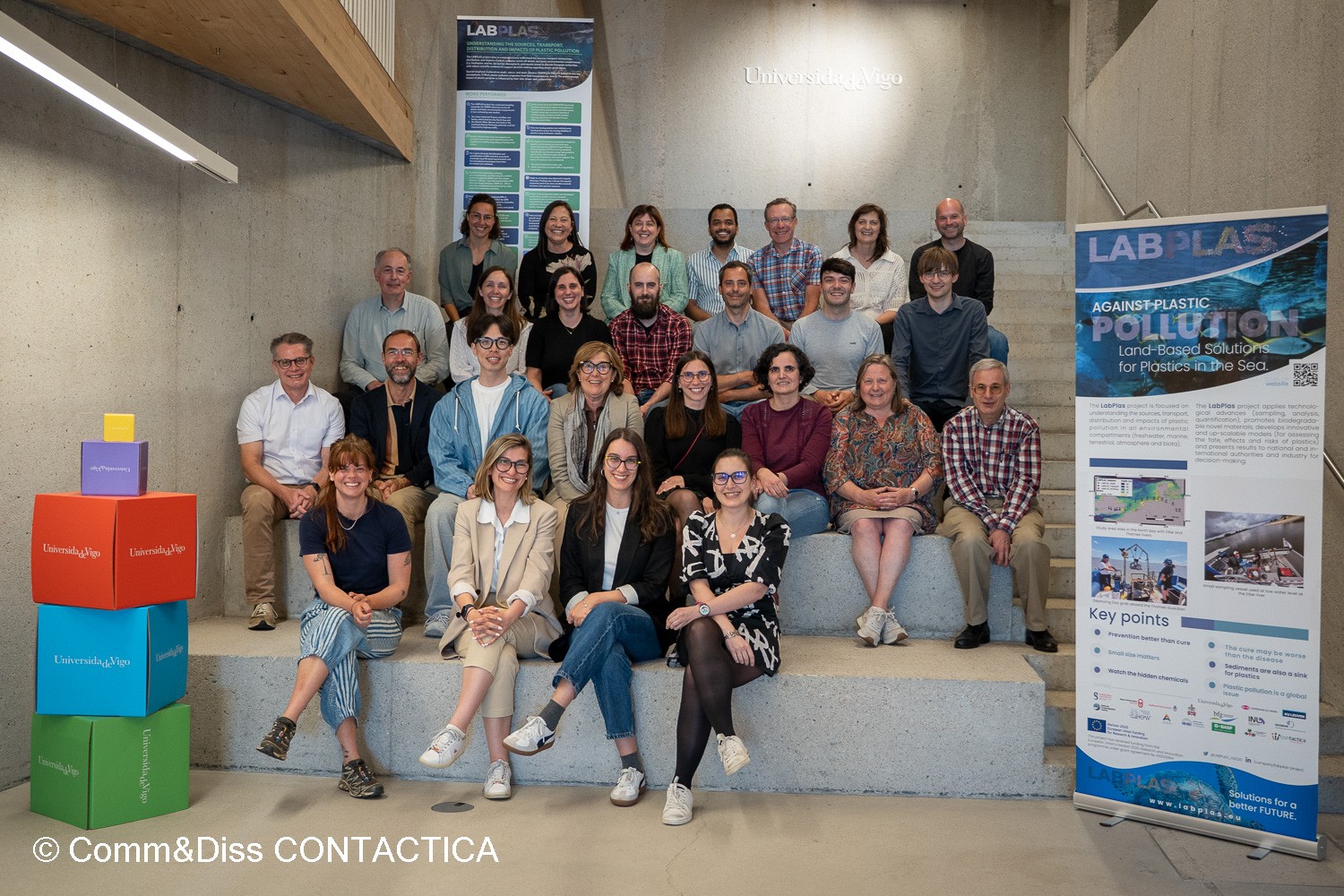
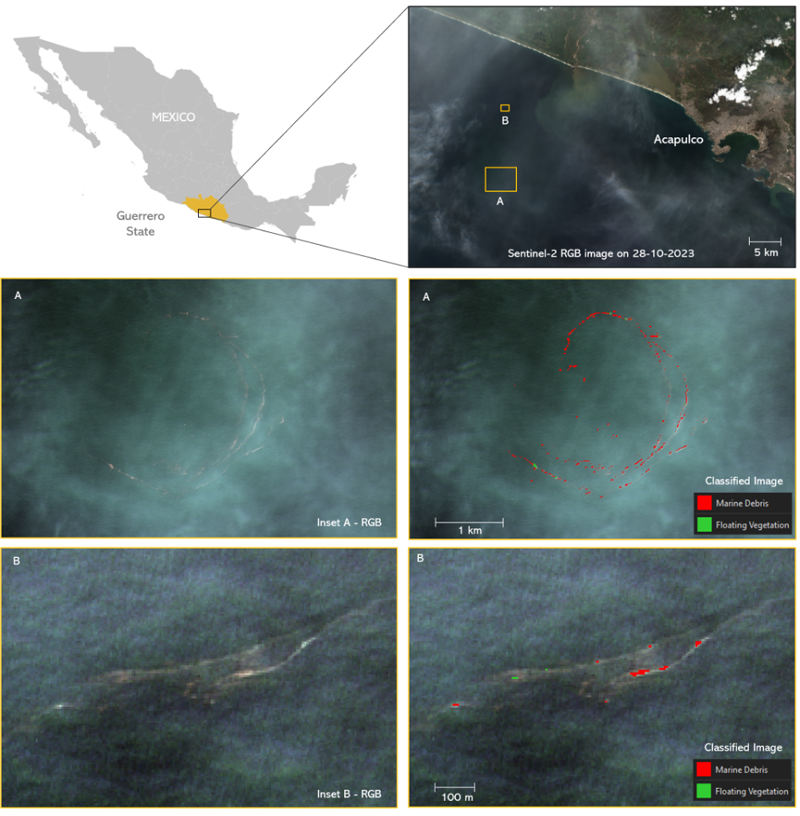
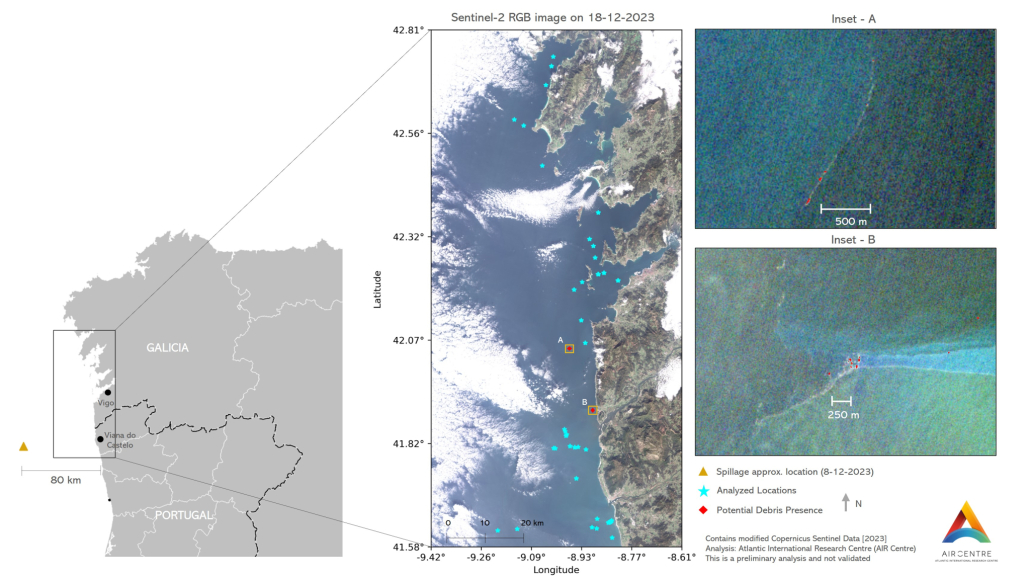
After two productive days in the final General Assembly in Vigo, Spain, the LabPlas H2020 Project has come to an end. Four years of intensive research into the sources, transport, and impact of plastic pollution, made LABPLAS reach significant advances on several fronts. The project tackled the full land-to-sea continuum, aiming to equip European authorities with the robust scientific evidence needed to inform and support effective plastic governance policies. LABPLAS harmonized sampling tools across environments, expanding the monitorable plastic size fraction down to 10 µm, and developed novel analytical techniques capable of detecting and identifying nanoplastics as small as 30 nm. It also integrated advanced toxicity testing schemes to assess plastic impacts across food webs and created a suite of environmental models to fill spatial and temporal gaps not covered by field measurements. LABPLAS also developed biodegradation test methods tailored to freshwater, marine, and soil environments, along with a comprehensive Life Cycle Assessment (LCA) framework for evaluating biodegradable plastics.  At the macro level, the AIR Centre made notable contributions with the development of the open-source POS2IDON tool (Pipeline for ocean feature detection with Sentinel 2) to detect suspected areas of floating plastics accumulations in the ocean using Sentinel-2 satellite imagery and machine learning models. While the absence of large plastic patches prevented full validation in LABPLAS case study areas, the developed platform (POS2IDON) was applied in locations where large aggregations of plastics was foreseen or known, such as the highly-polluted Honduras Gulf, or the coasts of Mexico and Southwestern Europe following major disasters or events (see below). [caption id="attachment_20202" align="alignnone" width="800"] Figure 1 - After the landfall of Hurricane Otis in the Mexican state of Guerrero as a Category 5 storm, POS2IDON was used to analyze satellite imagery resulting in the detection of various filament-like structures potentially aggregating plastic debris. (More information here)[/caption] [caption id="attachment_20199" align="alignnone" width="1030"] Figure 2 - Following the loss of six cargo containers—one of which carried millions of plastic pellets—off the Portuguese and Spanish coasts, POS2IDON was deployed to support authorities locating drifting debris and possible locations of plastic aggregations. (More information here)[/caption] 📘 Learn more in Deliverable 4.8 – Final Report on the Results for the Detection of Floating Macroplastics Using Remote Sensing: 🔗 Read the full report The AIR Centre was also instrumental at policy level, in making sure that the scientific evidence generated by LABPLAS supported effective policies and mitigation strategies aligned with the EU Plastics Strategy and related directives. As part of this effort, AIR Centre enabled a series of High-Level Dialogues on Plastics Governance, engaging policymakers, scientists, and industry leaders to address the growing challenge of plastic pollution. Outcomes from these discussions led to the creation of several Policy Briefs. 📘 Learn more in LABPLAS policy briefs focusing on: In addition to the policy briefs on specific topics, the AIR Centre also contributed with general policy recommendations on the governance of plastics based on the outcomes of the high-level events organised in the context of LABPLAS. Read the full report Overall, the LABPLAS project has taken remarkable strides in understanding, measuring, modelling, and addressing plastic pollution across environments and scales. Its multidisciplinary research has produced a rich legacy of tools, data, methods, and policy-relevant insights that will continue to guide future research and support the development of effective plastic governance.  The project’s final outcomes, including key scientific results and policy recommendations, are consolidated in the LABPLAS Legacy Document, available at: 🔗 https://labplas.eu/legacy-document/
Share this entry

Other News

Event

Portuguese Science Summit Innovation 2026 mobilises Portugal’s research community for future priorities

calendar_today July 17, 2026

The AIR Centre took part in the Portuguese Science Summit Innovation 2026, held on 15–16 July at the Lisbon Convention Center, marking the first major event organised by Portugal’s newly established Agency for Research and Innovation (AI²).

Innovation

O Brasil e Portugal aprofundam a cooperação com a inauguração do escritório da Fiocruz em Lisboa

calendar_today July 16, 2026

A 15 de julho de 2026, o Centro AIR participou na visita oficial do Ministro da Saúde do Brasil, Alexandre Padilha, que marcou o lançamento formal do Gabinete da Fundação Oswaldo Cruz (Fiocruz) em Lisboa. O novo escritório está localizado no mesmo edifício que também alberga a ApexBrasil, a Embratur e o Sebrae, reforçando a presença institucional do Brasil em Portugal e ampliando as oportunidades de cooperação bilateral.

Collaboration

Meeting with the Hon Consul‑General of the Kingdom of Tonga strengthens dialogue on ocean science and climate cooperation

calendar_today July 9, 2026

On 2 July, the AIR Centre hosted a meeting at its Lisbon office with the Comendador Anthony Bailey, Honourable Consul-General of His Majesty The King of Tonga to the Portuguese Republic. The discussion brought together AIR Centre Executive Director Miguel Miranda, Deputy Executive Director Mafalda Carapuço, and researcher Ana Faria, marking the beginning of a promising dialogue between the two nations.