The AIR Centre is set to launch the world's first automated internal ocean waves detection service in 2025. This pioneering initiative marks a groundbreaking advancement in oceanographic research and maritime operations, representing a significant leap forward in ocean observation technology.
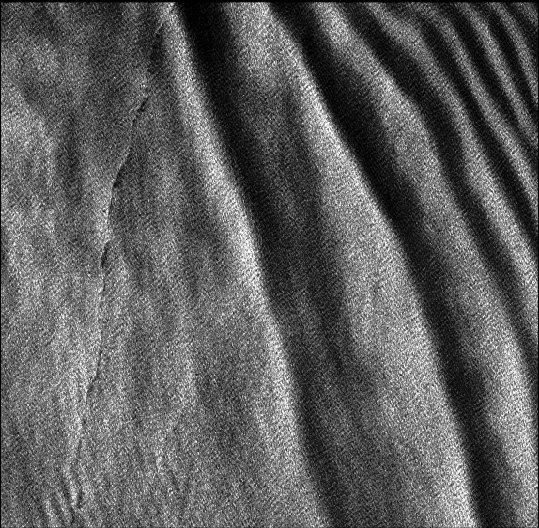
The service, developed through an innovative collaboration between artificial intelligence and oceanographic expertise, will process satellite imagery to detect and map internal waves across the globe's oceans in near real-time. These waves, though barely visible at the surface, play a crucial role in ocean dynamics and can significantly impact maritime infrastructure and submarine navigation.
Until now, detecting internal waves has required manual analysis of satellite images by experts, making it a time-consuming process. The breakthrough emerged from an international competition hosted on Google's Kaggle platform, where Brazilian data scientist Gilberto Titericz Junior from Nvidia developed an algorithm that achieved an exceptional 98% accuracy in identifying these subtle ocean phenomena.
The service will utilize data from the European Union's Copernicus Sentinel-1 satellites, processing thousands of images daily to create the first-ever global map of internal waves. This open-access platform, which will be operational through the AIR Centre's website, will serve both scientific research and industrial applications, particularly benefiting offshore energy platforms and maritime navigation safety.
"Each day, we'll process approximately 3,000 satellite images, and this capacity will double with the recent launch of Sentinel-1C," notes Adriana Ferreira, a key researcher in the project. The service represents a significant advancement in understanding ocean dynamics, as internal waves not only pose potential risks to maritime infrastructure but also play a vital role in marine biodiversity by mixing nutrient-rich deep waters with surface layers.
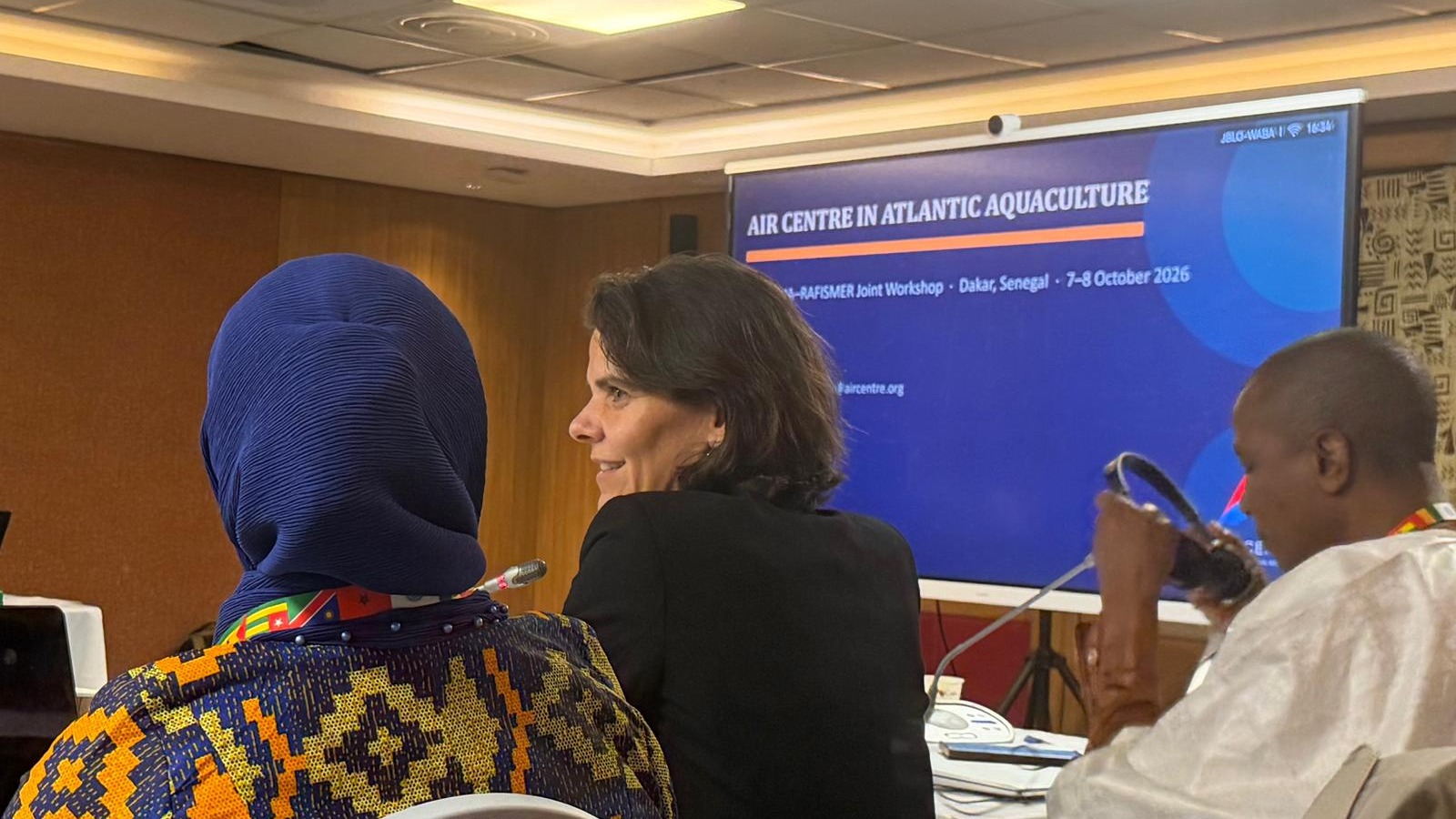
This pioneering service reinforces AIR Centre's position as a leading international research organization, bringing together partners from across the Atlantic basin in advancing ocean observation and understanding.
 Collaboration