Climate change and pollution pose significant threats to human health and ecosystems in the Arctic region. The EU funded
ICEBERG research project is tackling these problems in collaboration with Indigenous Peoples and local communities.
“ICEBERG deals with a very topical issue which is the pollution of Arctic waters resulting from climate change and human activities. It’s an issue of global importance, because what happens in the Arctic might impact regions elsewhere on the planet,” says Docent
Élise Lépy, the Project Manager of ICEBERG from
University of Oulu.
The goal of the project is to co-develop resilience strategies to address pollution and climate change, via innovative community engagement. Finally, the project aims to create recommendations for better pollution-control governance.
The
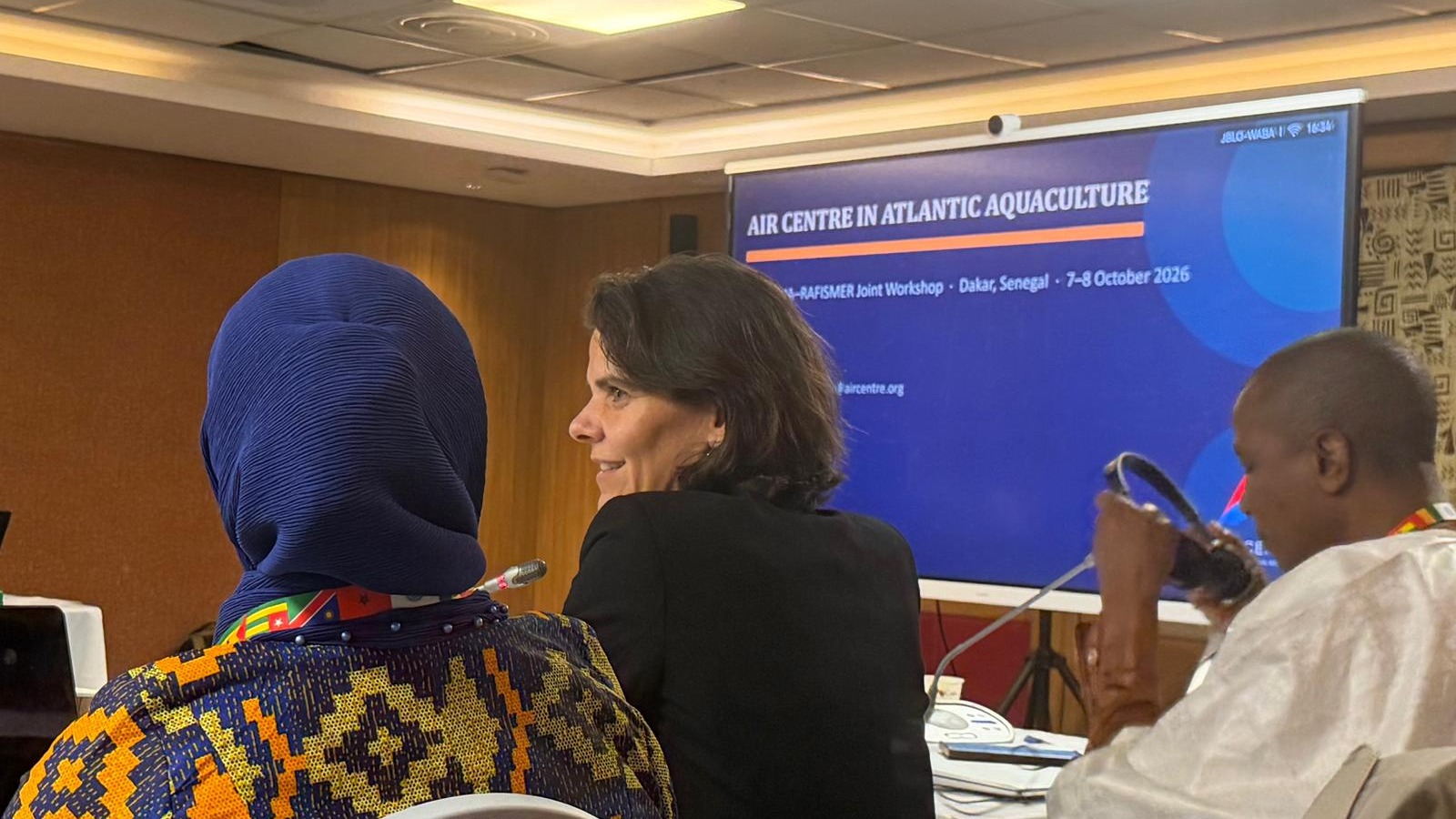
AIR Centre will assist in creating, promoting and disseminating ICEBERG’s policy recommendations on plastic and harmful pollutants in order to help achieve the objectives of the Mission Ocean, Seas & Waters.
Three locations, community participation and multiple disciplines
ICEBERG’s field research will take place in three different locations in the Arctic: western Svalbard (Ny-Ålesund and Sørkapp Land), northern Iceland (Akureyri and Húsavik) and southern Kalaallit Nunaat (Greenland) (Narsaq, Qaqortoq and Nanortalik).
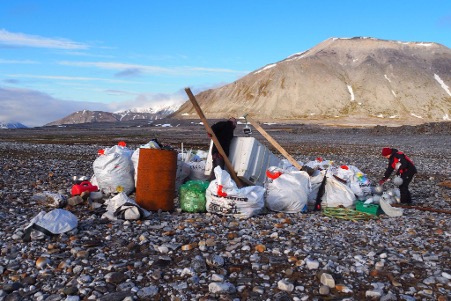
In Svalbard, the field work has already started in April. ICEBERG researchers have collected samples from snow pits in Ny-Ålesund. During the summer the research team will collect marine litter and install time-lapse camera to monitor beach dynamics including litter deposition and removal by the waves.
A crucial part of ICEBERG involves active engagement with
Indigenous Peoples and local communities. Schools and interested citizens will collaborate with ICEBERG researchers, for example, in pollution tracking using drones, or in contributing their own observations through an interactive citizen participation mapping platform.
“Together we will build a better understanding of the local impacts of pollution and co-create new solutions for its monitoring, and co-develop strategies for mitigation and adaptation”, describes Professor
Thora Herrmann, the Project Scientific Coordinator of ICEBERG. “For us, this inclusive approach is very important and ensures that the project is really tailored to address local needs and concerns.”
ICEBERG is based on a holistic One Health approach and it brings together researchers from different fields such as toxicology, social science, biogeochemistry, and environmental science. Meaningful and lasting change can only be achieved through international cooperation.
ICEBERG is funded for three years (2024-2026) by the
European Union’s Horizon Europe programme. The project will create concrete policy recommendations of action for better pollution-control governance, and contribute to the EU Mission "Restore our Ocean and Waters" for a healthier ocean. The project is led by the University of Oulu in Finland and comprises 15 other partner organizations.
Find out more about
ICEBERG and how to get involved.
Briefly about the project ICEBERG:
ICEBERG studies ocean and coastal pollution and creates governance and resilience strategies with European Arctic communities. Climate change and pollution such as plastics, ship emissions and wastewater, are threatening our health and ecosystems in the Arctic.
For the EU to reach its Zero Pollution Ambition, the Union needs a deeper understanding of the complex interplay of pollution and climate change as well as its impacts on ecosystems and communities in the Arctic.
ICEBERG studies sources, types, distribution of pollution and its impacts on the ecosystems and communities in Kalaallit Nunaat (Greenland), Iceland and Svalbard together with Indigenous and local communities.
ICEBERG merges natural and social sciences with Indigenous and local knowledge. The project uses an ethical multi-actor and gender-sensitive approach to assess the impacts, risks and vulnerabilities of local communities.
Through innovative community engagement, the project strives to increase community and ecosystem resilience to pollution and climate change in the Arctic.
ICEBERG is funded by the European Union’s Horizon Europe programme. The project is led by the University of Oulu in Finland and contributed by 16 partner organizations.

 Collaboration