The scale and unpredictability of Sargassum blooms demand a coordinated, science-driven response – one that connects satellite data, in situ observation, forecasting systems, and local knowledge into a coherent whole. This is precisely the mission of the Sargassum Information Hub, a community-led platform that serves as a single point of access for monitoring, forecasting, and managing Sargassum at national, regional, and basin-wide scales.
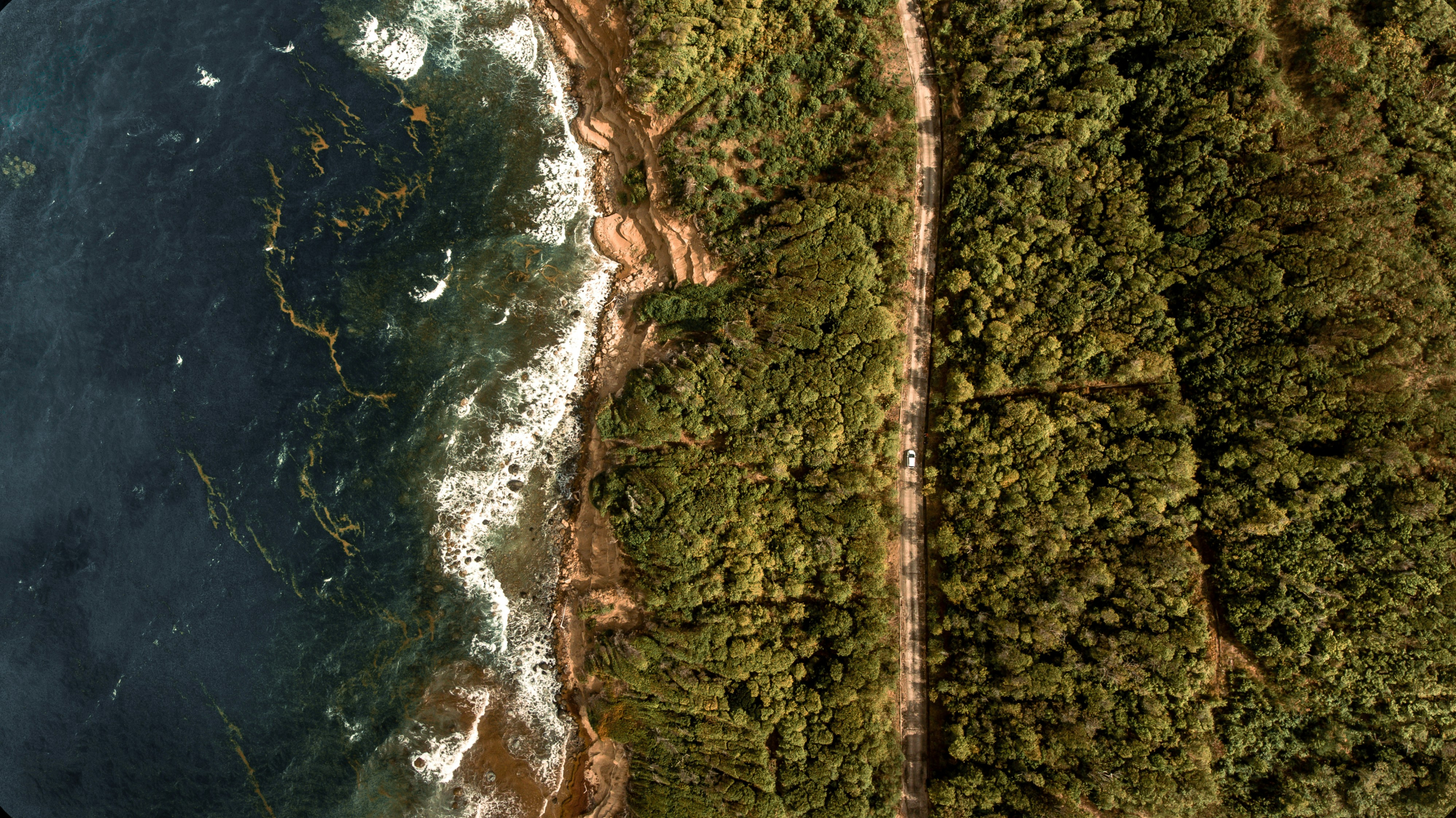
Over the past decade, massive strandings of Sargassum – a genus of brown macroalgae – have become one of the most visible and disruptive consequences of changing ocean conditions across the Atlantic. From the beaches of the Caribbean and the Gulf of Mexico to the shores of West Africa and Brazil, unprecedented inundation events have suffocated coastal ecosystems, devastated fishing and tourism industries, and posed serious health risks to local populations. What was once a seasonal nuisance has become a year-round crisis and a basin-wide challenge that requires integrated science, shared data, and sustained collaboration, from researchers and policymakers to the coastal communities on the frontline.
The Hub links data products with national and regional services, promotes basin-wide forecasting systems from daily to seasonal and interannual timescales, and works to establish a sustained in situ observing network. It also gathers best practices for Sargassum management and gives visibility to the growing ecosystem of research and response initiatives across the Atlantic.
The AIR Centre is a partner of the
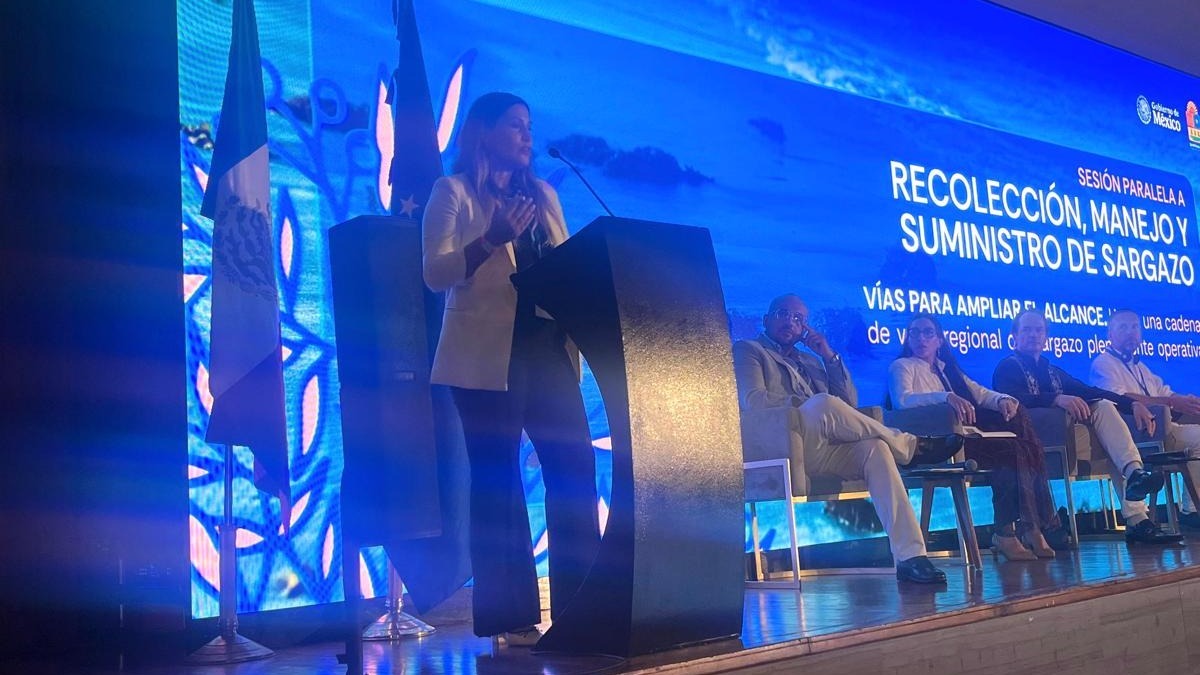
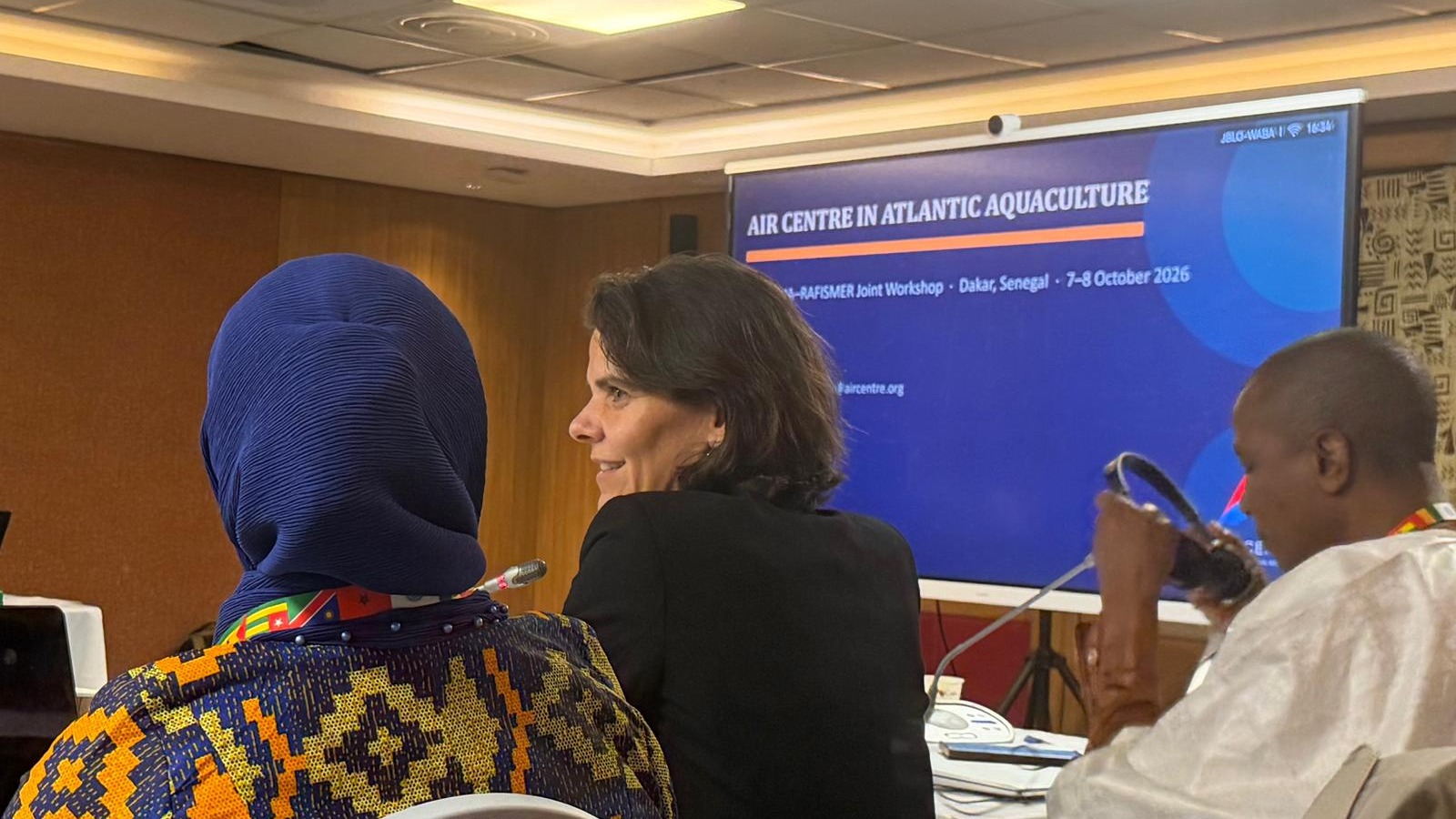
Sargassum Information Hub, contributing its expertise in remote sensing, data harmonization, and multi-stakeholder engagement. Through its participation in the Sargassum GEO Blue Planet Working Group, the AIR Centre supports the harmonization and sharing of observational datasets and advances the comparison of remote sensing technologies for Sargassum detection. It also organizes workshops and forums that bring together technical experts and non-technical stakeholders, helping to ensure that scientific advances translate into practical tools for the communities most affected.
As Sargassum events grow in frequency and intensity, the need for sustained, coordinated action has never been greater. Through its partnership with the Hub, the AIR Centre reinforces its commitment to ocean observation and its role as a connector of scientific communities, data networks, and the societies they serve across the Atlantic basin.
[PC, 6 March 2026]
 Collaboration