UNEP Marine Sand Watch on the Effect of Massive Extraction

UNEP Marine Sand Watch on the Effect of Massive Extraction

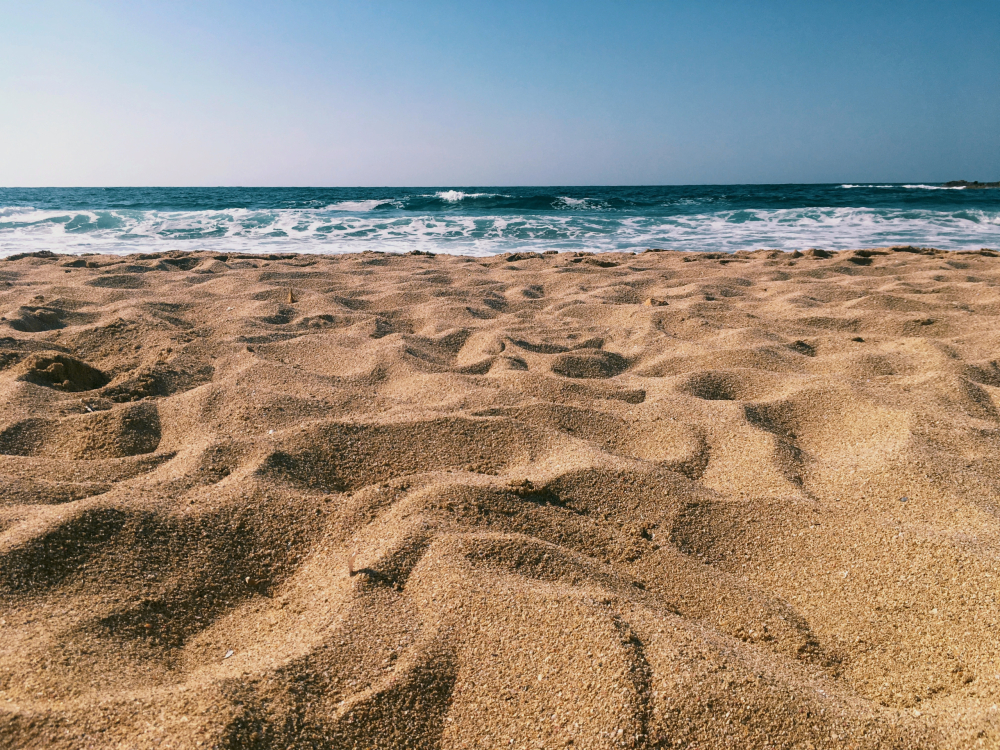
A new global data platform called "Marine Sand Watch", developed by GRID-Geneva, a center within the UN Environment Programme (UNEP), has revealed that the marine dredging industry is extracting a staggering 6 billion tons of sand annually from the world's oceans. This is equivalent to over 1 million dump trucks of sand each day, and it is causing significant harm to marine biodiversity and coastal communities. Shallow sea mining for sand and gravel is essential for construction but poses risks to coastal communities, marine biodiversity, and ecosystems. Some countries have banned marine sand exports, while others lack regulation and monitoring. UNEP calls for improved monitoring and international standards for sand extraction, enhancing resource management. Marine Sand Watch uses Automatic Identification System (AIS) signals and Artificial Intelligence (AI) to monitor dredging activities, including sand, clay, silt, gravel, and rock extraction, in various marine regions. However, it currently cannot detect small-scale mining along shallow coastlines. The platform's data estimates that between 4 and 8 billion tons of sand and sediment are dredged annually, with the trend showing an increase over the years. This threatens the natural replenishment rate needed by rivers to maintain coastal and marine ecosystems. The initiative is supported by the University of Geneva and follows a UN resolution to strengthen knowledge regarding sand, and to support global policies and action regarding its environmentally sound extraction and use. Via UNEP
Share this entry

Other News

Collaboration

Space Agencies shape regional priorities at the II Ibero-American Meeting in Madrid

calendar_today September 17, 2026

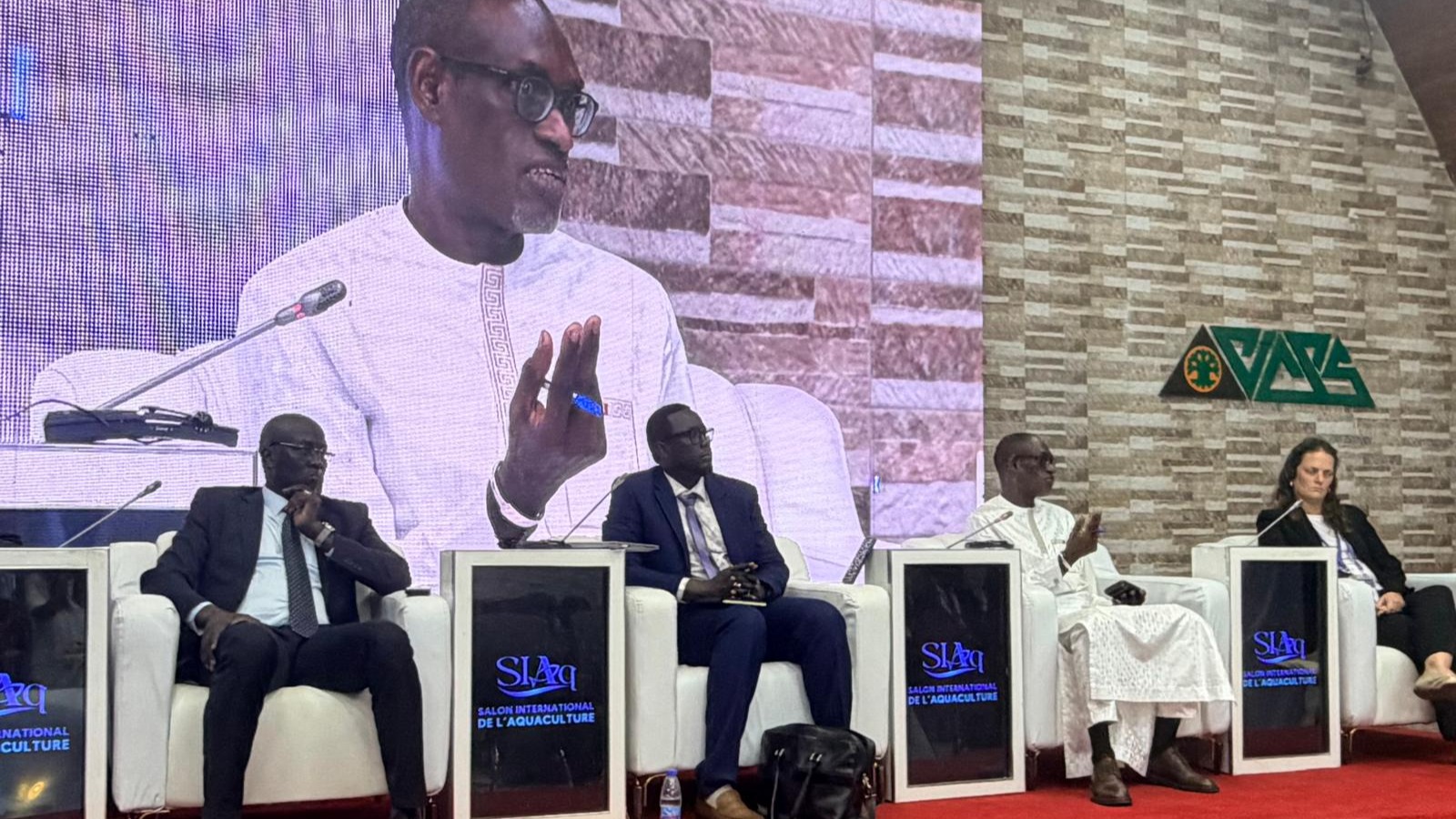
The AIR Centre took part in the II Ibero-American Space Agencies Meeting in Madrid, organised by the Spanish Space Agency on 15 and 16 September. AIR Centre’s Deputy Executive Director, Mafalda Carapuço, represented the organisation alongside heads of space agencies, universities, research centres and industry from across the Ibero-American community.

Collaboration

ATLANTICO_SARG project officially launched to tackle Sargassum impacts through science and collaboration

calendar_today September 11, 2026

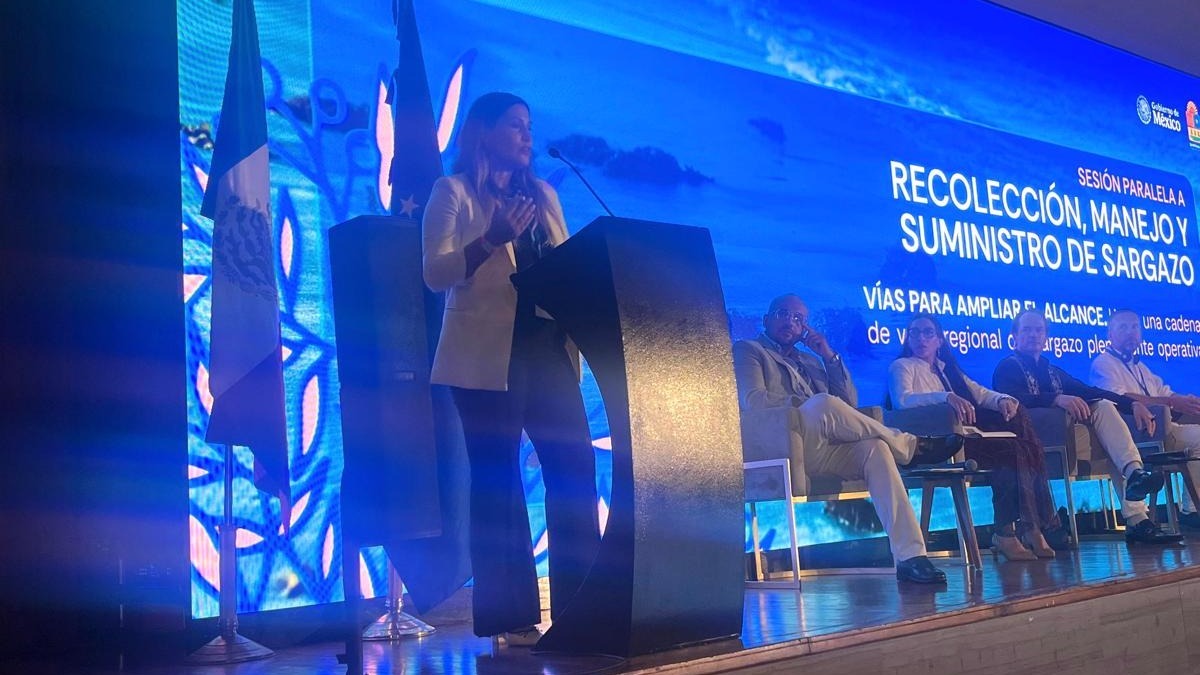
On September 10, partners from AIR Centre (Portugal), UNAM (Mexico) and IMar (Cabo Verde) held the kick-off meeting for ATLANTICO_SARG, a new triangular cooperation project funded under the second Call of the SEGIB / Camões, I.P. Triangular Cooperation Fund. Held online, the meeting brougtht together researchers and representatives from all three partner institutions to address the growing impact of Sargassum seaweed flooding on Cabo Verde's coasts.

Collaboration

Australian Ambassador strengthens scientific and diplomatic engagement during visit to the AIR Centre

calendar_today September 11, 2026

The Australian Ambassador to Portugal, Dr. Helen Cheney, who also serves as Ambassador to Cabo Verde, Guinea Bissau and São Tomé and Príncipe, visited the AIR Centre on Terceira Island as part of her official programme in the Azores. The visit emphasized scientific cooperation and the growing relevance of the Atlantic in Australia’s international engagement.